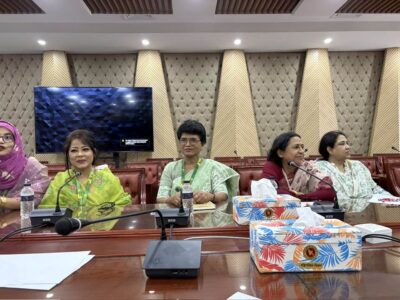
The Vatican is tackling a big problem plaguing global healthcare
(RNS) — More than 100 experts and advocates gathered for the largest-ever summit in Rome on the challenges to provide clean water, sanitation and hygiene at hospitals and clinics around the world lac…

(RNS) — More than 100 experts and advocates gathered for the largest-ever summit in Rome on the challenges to provide clean water, sanitation and hygi
Read Full Story at Religion News Service →Why This Matters
The Vatican’s unprecedented convening of global experts on hospital sanitation underscores a crisis that transcends religious or regional boundaries: the silent toll of unsafe water, inadequate hygiene, and poor sanitation in healthcare facilities. These conditions don’t just exacerbate disease—they erode public trust in medical systems, particularly in vulnerable communities where preventable infections claim countless lives annually. By framing this as a moral and humanitarian imperative, the Church is elevating an issue often sidelined in favor of high-profile medical advancements.
Background Context
Despite decades of global health initiatives, one in four healthcare facilities worldwide lacks basic water services—a disparity that disproportionately affects low- and middle-income countries, where nearly half of hospitals operate without reliable sanitation. The issue gained traction in 2019 when the World Health Organization declared it a critical barrier to achieving universal health coverage, yet funding gaps and fragmented policy responses have stalled progress. Historically, sanitation crises have been treated as public health problems rather than structural failures, leaving infrastructure deficits unaddressed.
What Happens Next
The summit’s pledge to mobilize resources and policy commitments could catalyze cross-sector collaboration between faith-based organizations, governments, and NGOs, a model with precedent in HIV/AIDS and maternal health campaigns. Key tests will be whether financial pledges translate into on-the-ground projects and whether accountability mechanisms prevent past failures of similar initiatives. Watch for shifts in how international aid agencies prioritize sanitation, potentially uncoupling it from broader development goals to address it as a standalone crisis.
Bigger Picture
This push aligns with a growing recognition that healthcare equity cannot be divorced from environmental and infrastructure realities—a lesson reinforced by the COVID-19 pandemic’s uneven impact. It also reflects a broader pivot among non-traditional actors, from faith groups to corporations, into global health governance, challenging the assumption that only state actors or multilateral bodies can drive systemic change. If successful, the Vatican’s approach could set a template for tackling other overlooked health determinants, from air quality to waste management.