🔬 Science
Live
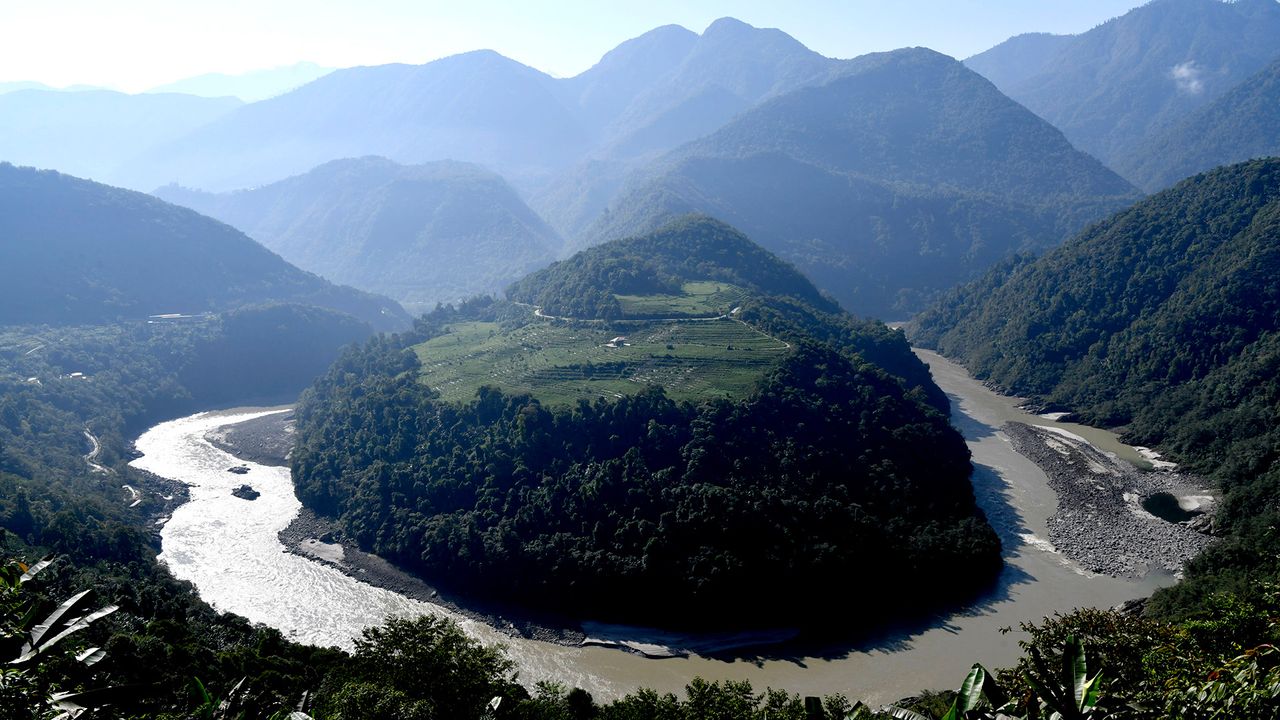
'They are trying to tame nature': China is building the world's biggest dam in an earthquake-prone region of Tibet
China is building a dam system that will generate more hydroelectric power than the U.S. generates yearly. But the project comes with huge risks for people downstream.
Live Science — 15 June 2026
Text:
37
0
0
China is building a dam system that will generate more hydroelectric power than the U.S. generates yearly. But the project comes with huge risks for p
Read Full Story at Live Science →
⚡ Quickyla Analysis
Original editorial context — not sourced from the article above
China’s push to construct the world’s largest dam system in Tibet’s earthquake-prone Yarlung Zangbo Grand Canyon is more than an engineering marvel—it’s a high-stakes gamble with global implications. The project, slated to surpass the entire annual hydroelectric output of the United States, underscores Beijing’s determination to dominate renewable energy while asserting control over water resources that ripple across South and Southeast Asia. But the dam’s location in a seismically active zone, where tectonic plates collide with relentless force, raises urgent questions about long-term stability, environmental fallout, and downstream consequences for millions who rely on the Brahmaputra River’s lifeblood.
Tibet’s geology is unforgiving. The Yarlung Zangbo, the river’s upper stretch, carves through the Himalayas in a region where the Indian Plate grinds against the Eurasian Plate, triggering some of the world’s most powerful earthquakes. Past disasters, like the 2008 Sichuan quake that killed nearly 90,000 people, have exposed the fragility of China’s infrastructure in such zones. Yet the dam’s scale—projected to divert vast water volumes through tunnels and turbines—could amplify seismic risks, either by altering underground pressure or acting as a destabilizing weight on fault lines. The project also risks accelerating glacial melt in the Tibetan Plateau, a critical freshwater reserve, potentially disrupting monsoon patterns and river flows that feed India, Bangladesh, and Myanmar.
What happens next hinges on whether China prioritizes caution or ambition. If successful, the dam could cement its energy dominance while providing leverage over neighboring nations that depend on the Brahmaputra. But failure—whether from a quake, structural collapse, or ecological collapse—would have cascading effects, from flooding in Assam to water shortages in Dhaka. Already, downstream nations have raised concerns, though Beijing has dismissed them as interference, framing the project as domestic development. The lack of transparent risk assessments or international oversight leaves the world guessing: Is this a bold leap toward a greener future, or a ticking time bomb engineered by a government that treats nature as a problem to be solved rather than a force to be respected?
Sources

🔬 Science
'Astonishing': James Webb telescope spots the most chemically primitive galaxy in the ancient universe

🔬 Science
El Niño Is Underway

🔬 Science
Astronomers gaze into the 'Crystal Ball Nebula' and see a vision of our dying sun — Space photo of the week

🔬 Science
Bacteria uncover distinct strategy to import rare sugar polymers, crystal structures show

🔬 Science
NASA Awards Contract for Johnson Space Center Infrastructure

🔬 Science
Repairing DNA damage: Scientists discover a surprising new benefit of melatonin

