🔬 Science
Live
Think you're eating healthy? You may be missing this heart-protecting nutrient
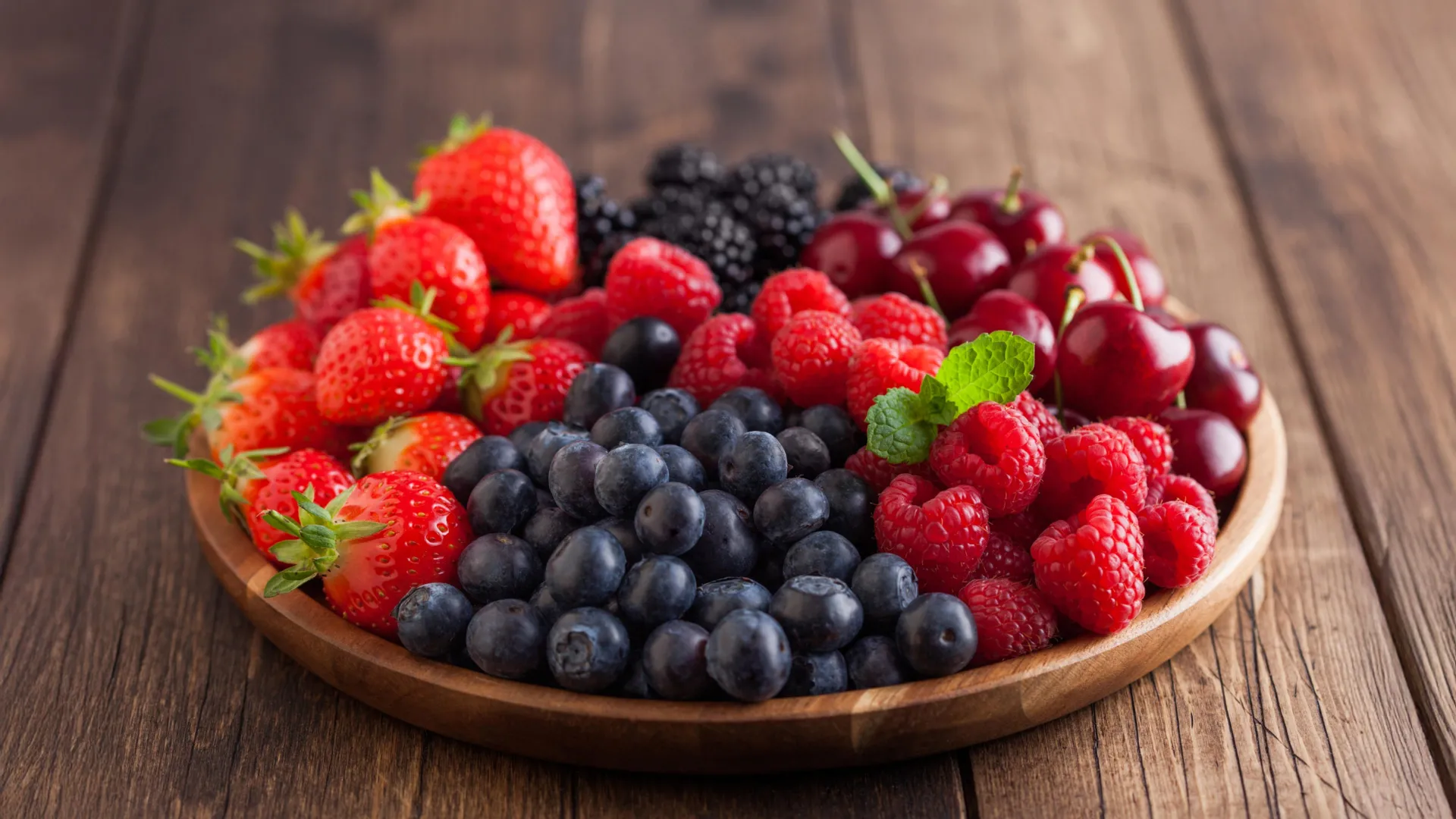
Eating five servings of fruits and vegetables may not be enough if you're missing foods rich in flavanols, a group of compounds linked to better heart health. Researchers found that choices like black
ScienceDaily — 19 June 2026
Text:
9
0
0
Eating five servings of fruits and vegetables may not be enough if you're missing foods rich in flavanols, a group of compounds linked to better heart
Read Full Story at ScienceDaily →
⚡ Quickyla Analysis
Original editorial context — not sourced from the article above
The revelation that even five daily servings of fruits and vegetables may not guarantee sufficient intake of flavanols—a class of bioactive compounds tied to cardiovascular benefits—underscores a growing paradox in modern nutrition. While public health guidance often equates produce consumption with health, flavanols occupy a narrower niche within the plant kingdom, concentrated in cocoa, tea, certain berries, and apples. The oversight matters because these nutrients don’t just contribute marginally to wellness; they may influence blood pressure, endothelial function, and inflammation in ways that statins or fiber alone cannot replicate. With heart disease remaining the leading global killer, the study challenges the assumption that simply eating more plants translates to optimal cardiovascular protection.
This isn’t the first time flavanols have surfaced in scientific debates. Earlier research linked cocoa-rich diets in certain populations to lower hypertension rates, but those findings were often dismissed as cultural outliers or attributed to broader dietary patterns. The latest work reframes flavanols as a specific deficiency risk, particularly in Western diets where processed foods dominate and whole-food staples like apples or berries are unevenly consumed. Meanwhile, the cocoa industry has long capitalized on flavanol-rich marketing, with dark chocolate often positioned as a health food—despite processing that strips away up to 90% of these compounds. Regulators have yet to set official intake recommendations, leaving consumers navigating a market where “healthy” labels can be misleading.
What’s unclear is whether the solution lies in dietary education, fortified foods, or even supplements. The cocoa industry’s push for high-flavanol extracts suggests a commercial path forward, but long-term safety data for isolated compounds remains thin. On the public health front, the challenge is twofold: convincing people to diversify their produce choices beyond the usual salads and bananas, and ensuring equitable access to flavanol-rich foods in food deserts. As climate change reshapes crop yields, the risk of nutrient deserts—regions where even "healthy" diets lack key compounds—could deepen global disparities in heart disease. The conversation now shifts from quantity to quality in nutrition, raising urgent questions about who gets to define—and benefit from—these microscopic but mighty molecules.
Sources

🔬 Science
'Astonishing': James Webb telescope spots the most chemically primitive galaxy in the ancient universe

🔬 Science
El Niño Is Underway

🔬 Science
Astronomers gaze into the 'Crystal Ball Nebula' and see a vision of our dying sun — Space photo of the week

🔬 Science
Bacteria uncover distinct strategy to import rare sugar polymers, crystal structures show

🔬 Science
NASA Awards Contract for Johnson Space Center Infrastructure

🔬 Science
Repairing DNA damage: Scientists discover a surprising new benefit of melatonin

