This strange crystal acts like metal and glass at the same time
A remarkable crystal called molybdenum oxychloride could help make futuristic technologies like smart contact lenses and ultrathin AR glasses a reality. Scientists have created the first detailed exp…
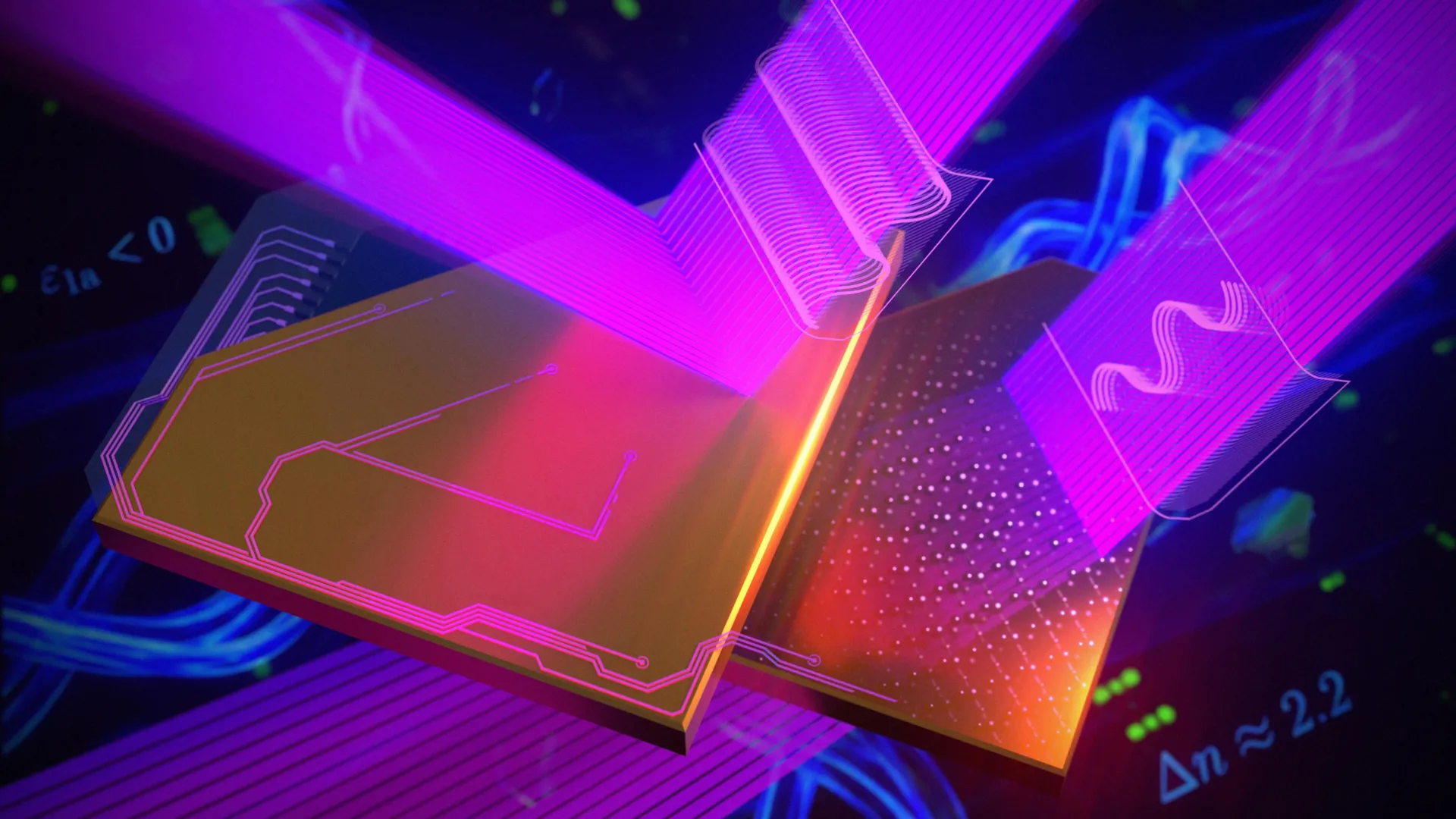
A remarkable crystal called molybdenum oxychloride could help make futuristic technologies like smart contact lenses and ultrathin AR glasses a realit
Read Full Story at Science Daily →Why This Matters
The discovery of molybdenum oxychloride’s dual metallic and glass-like properties challenges fundamental assumptions about material science, bridging the gap between conductivity and transparency. If scalable, this could redefine how we integrate electronics with biology—imagine sensors that seamlessly merge with human tissue without disrupting vision or function.
Background Context
For decades, engineers have struggled to combine conductivity with optical clarity, a hurdle that has stalled innovations like flexible displays and implantable medical devices. Prior attempts relied on hybrid materials or complex fabrication, often sacrificing performance for adaptability. The simplicity of molybdenum oxychloride’s synthesis suggests a paradigm shift is possible.
What Happens Next
Researchers will likely focus on refining the crystal’s stability and integration into real-world devices, with smart contact lenses and ultrathin AR displays as early test cases. Long-term, its potential in quantum computing or energy-efficient electronics could drive massive investment, but durability and biocompatibility remain unproven hurdles.
Bigger Picture
This breakthrough aligns with a broader push toward multifunctional materials that defy traditional categorization, echoing trends in metamaterials and biohybrid systems. As industries demand ever-smaller and more adaptable tech, discoveries like this one may accelerate the fusion of disparate scientific disciplines.






