🔬 Science
Live
'This was a pioneering achievement': Stone Age people put up posts to observe the solstices near Stonehenge long before the stones of sacred site were placed
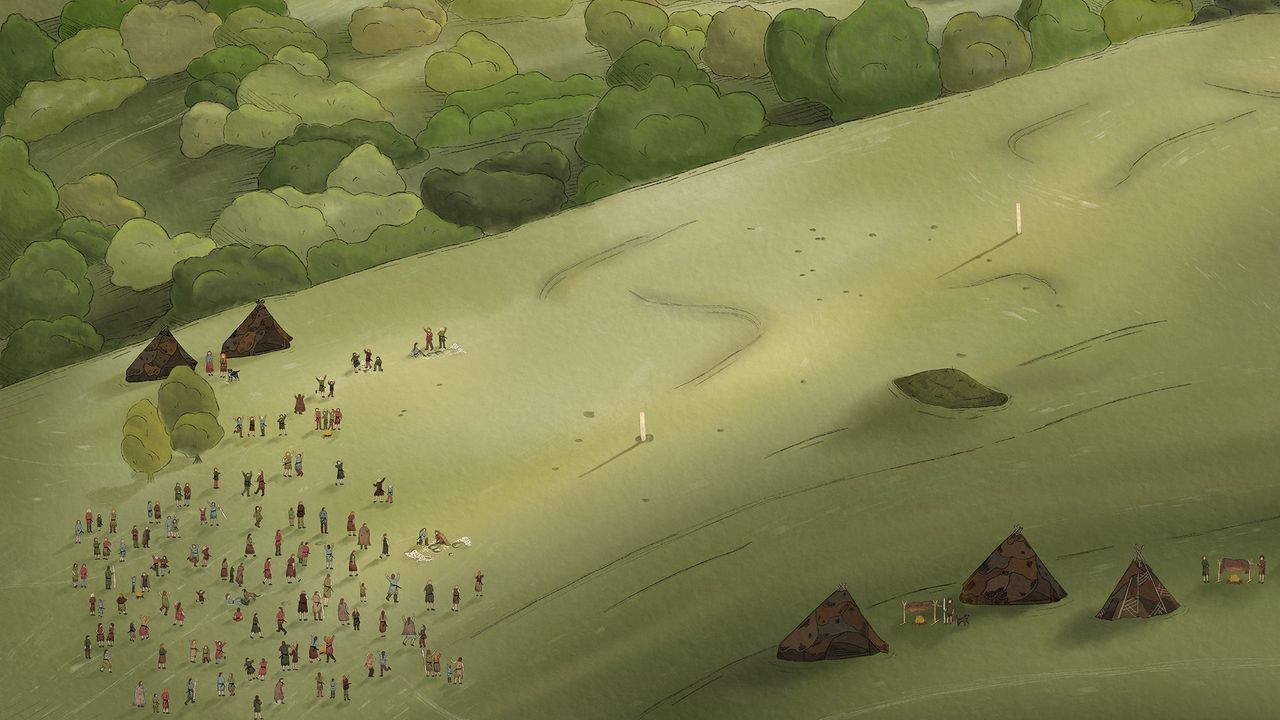
The discovery of two ancient holes at Stonehenge suggests people placed posts there to help observe the summer and winter solstices around 5,000 years ago.
Live Science — 17 June 2026
Text:
21
0
0
The discovery of two ancient holes at Stonehenge suggests people placed posts there to help observe the summer and winter solstices around 5,000 years
Read Full Story at Live Science →
⚡ Quickyla Analysis
Original editorial context — not sourced from the article above
The discovery of two ancient post holes near Stonehenge, predating the iconic stone circle by centuries, offers a striking glimpse into how early Neolithic communities engaged with celestial cycles long before the monument’s famous megaliths were erected. These wooden posts, likely used to track the solstices, underscore the sophistication of prehistoric astronomical observation—a practice that was as much about ritual and social cohesion as it was about practical timekeeping. For modern observers, the find challenges the assumption that Stonehenge’s primary purpose was solely astronomical, suggesting instead that its later construction may have been an evolution of an older tradition, one deeply embedded in the cultural and spiritual life of the people who lived in the region.
What makes this discovery particularly significant is its timing. Dating back to around 3000 BCE, these posts were placed at a pivotal moment in British prehistory, when agriculture was taking hold and societies were becoming more complex. The solstices would have been critical markers for planting and harvesting cycles, but their observation also likely held deep symbolic meaning—perhaps tied to fertility, rebirth, or the cyclical nature of life itself. The transition from wooden posts to massive stone structures may reflect a growing investment in communal projects, where celestial alignment became a shared cultural touchstone rather than a transient alignment of wood.
Several questions remain unanswered. How widespread was this practice across Britain and Europe? Were these posts part of a broader network of observation sites? And what happened to the wooden structures over time—did they decay naturally, or were they deliberately removed as the stone circle took shape? The answers could reshape our understanding of Neolithic Britain’s social and ceremonial landscapes.
This discovery also aligns with a growing recognition that prehistoric sites like Stonehenge were dynamic, evolving over centuries rather than constructed in a single burst of activity. It speaks to a broader trend in archaeology, where once-static interpretations of monuments are giving way to more nuanced views of their layered histories. For now, these posts serve as a reminder that the past is not a monolith but a living, changing tapestry woven by generations of people seeking meaning in the skies above.
Sources

🔬 Science
'Astonishing': James Webb telescope spots the most chemically primitive galaxy in the ancient universe

🔬 Science
El Niño Is Underway

🔬 Science
Astronomers gaze into the 'Crystal Ball Nebula' and see a vision of our dying sun — Space photo of the week

🔬 Science
Bacteria uncover distinct strategy to import rare sugar polymers, crystal structures show

🔬 Science
NASA Awards Contract for Johnson Space Center Infrastructure

🔬 Science
Repairing DNA damage: Scientists discover a surprising new benefit of melatonin

