🌍 World News
Live
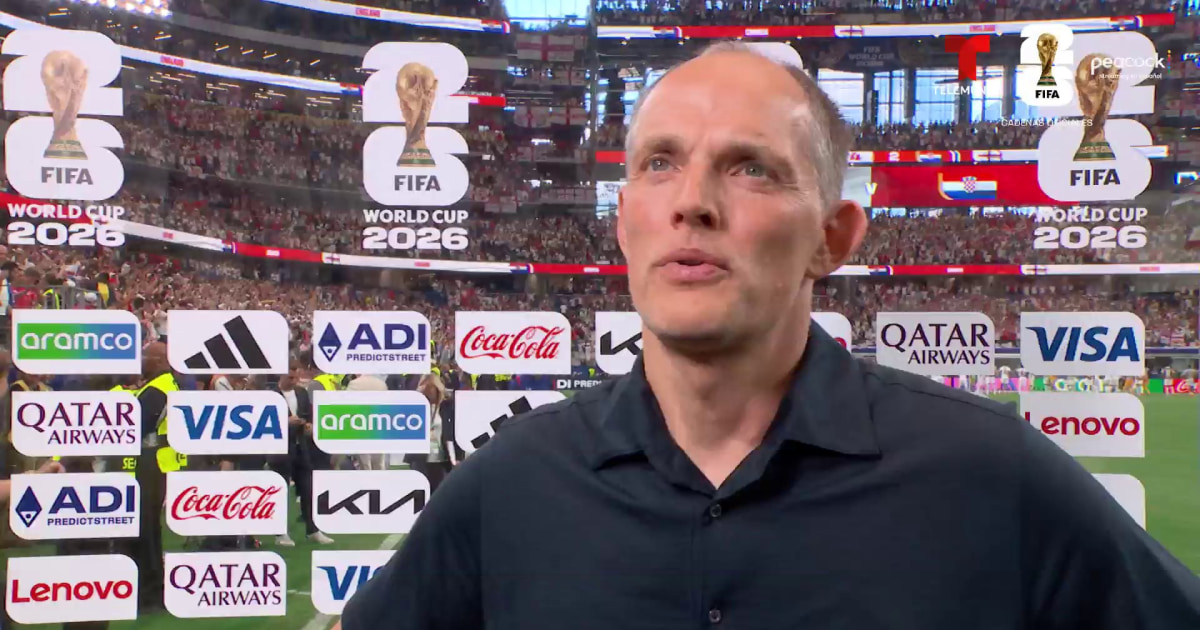
Thomas Tuchel: "Merecimos la victoria, fue un juego difícil"
El entrenador de la selección inglesa, Thomas Tuchel, destacó que su equipo respondió como una máquina y generó las opciones de gol que les dieron la ventaja ante una Croacia que nunca paró de buscar…
NBC News — 17 June 2026
Text:
19
0
0
El entrenador de la selección inglesa, Thomas Tuchel, destacó que su equipo respondió como una máquina y generó las opciones de gol que les dieron la
Read Full Story at NBC News →
⚡ Quickyla Analysis
Original editorial context — not sourced from the article above
Thomas Tuchel’s post-match remarks about England’s performance against Croatia reveal more than just tactical satisfaction; they underscore a broader shift in how modern international football is played and perceived. The idea that a team could "respond like a machine" speaks to the increasing mechanization of the game under high-pressure systems, where possession, pressing, and quick transitions are no longer luxuries but necessities. England’s ability to generate chances while maintaining defensive structure against a Croatia side that never relented reflects a growing trend: teams are now expected to dominate possession even when facing opponents who prioritize relentless pressing and counterattacking. This match was a microcosm of the modern game’s paradox—where possession-based systems must simultaneously be ruthlessly efficient in transition, a balance England is slowly refining.
Yet the story also carries historical weight. England’s struggles in major tournaments are well-documented, often framed around defensive frailties or psychological fragility. Tuchel’s words suggest a departure from that narrative, at least temporarily. Croatia, meanwhile, represents a fading but still formidable generation of teams that thrive on collective discipline and midfield control. Their inability to break England down hints at a generational shift, where emerging nations like England, with their deeper squads and modern training methodologies, are outpacing traditional footballing powerhouses.
The questions now center on England’s ability to sustain this level of performance. Can they replicate it against more defensive opponents, or was this a product of Croatia’s attacking approach? The broader trend here is the rise of "control football" in international tournaments, where teams aim to dictate play rather than react to it. If England can maintain this balance, they may finally shed the tag of perennial underachievers. But the real test lies in the knockout stages, where fatigue and tactical innovation by opponents could expose any cracks in their machine-like system. For now, Tuchel’s words are a statement of intent—but intent alone rarely wins tournaments.
Sources

🌍 World News
Agitators outside Delaney Hall set up organized logistics operation before Newark protests began

🌍 World News
Man fleeing police attacked by alligator before continuing his getaway, Louisiana authorities say
🌍 World News
US crude exports hit record high in May as Iran war tightens global oil supplies

🌍 World News
French doctors sound alarm over drinking water pollution

🌍 World News
Iran, Kuwait, Bahrain hit: Is the war in the Gulf escalating again?

🌍 World News
Four people trapped in flooded cave in Laos pulled to safety


