King Charles pays £12.9 million in voluntary tax
King Charles voluntarily paid £12.9 million in taxes under a 1993 agreement, but it’s not legally required—unlike standard UK taxes. Critics argue this makes it more a voluntary donation than real tax
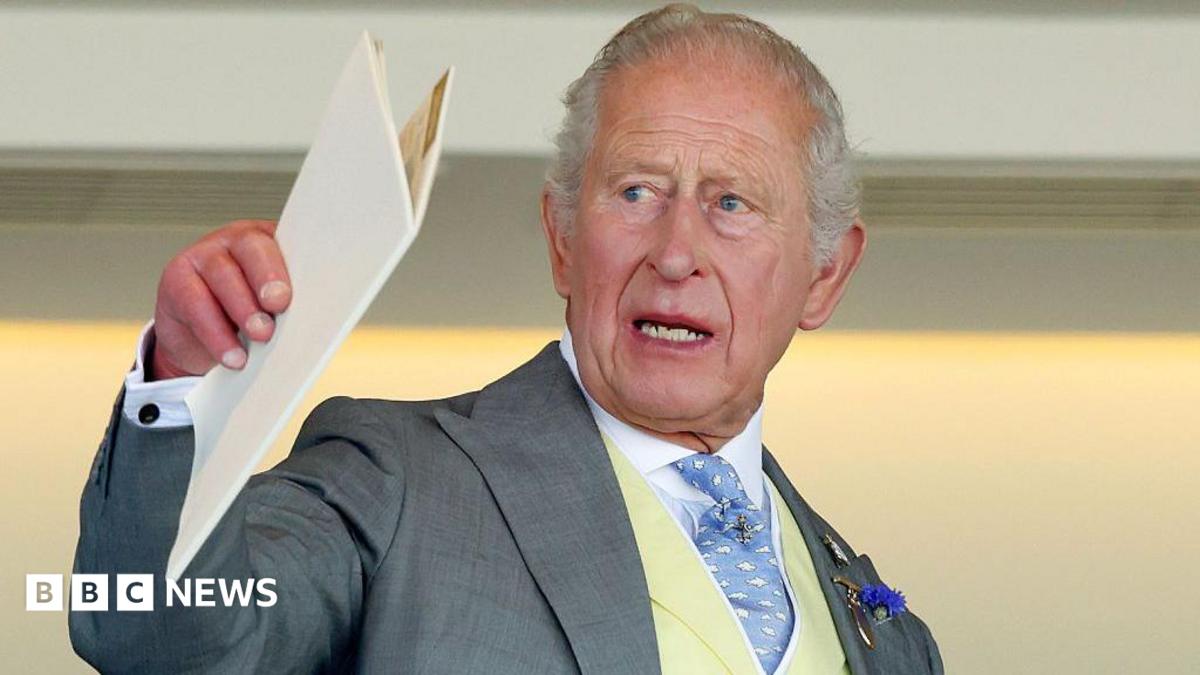
King Charles has made history by revealing his £12.9 million tax bill, but the payment isn’t your typical tax bill. Unlike most Britons, the King isn’
Read Full Story at BBC Business →Why This Matters
The King’s tax bill reveals deeper tensions between monarchy and modern fiscal expectations, highlighting how institutional privilege can blur the line between voluntary generosity and systemic obligation. It also underscores public skepticism toward hereditary wealth amid rising calls for transparency in public institutions.
Background Context
The 1993 agreement exempting the monarchy from full tax liability was framed as a compromise during a constitutional crisis, yet it remains an anomaly in a system where all other taxpayers face mandatory obligations. This arrangement was negotiated at a time when public trust in the monarchy was particularly fragile, but its continuation today raises questions about whether such concessions still serve their original purpose.
What Happens Next
The debate over the King’s tax contributions could intensify calls for a formal review of the Sovereign Grant system, particularly as economic pressures on public finances grow. Meanwhile, the monarchy may face pressure to justify its financial arrangements in a more transparent manner, especially if public scrutiny over royal finances continues to mount.
Bigger Picture
This issue reflects broader global trends where institutions face heightened scrutiny over their financial privileges, from universities to religious organizations. As calls for equity and accountability grow, the monarchy’s tax arrangements may become a test case for how far modern democracies are willing to accommodate historical institutions.








