Three U.S. men arrested, charged with plotting to support ISIS
Three U.S. citizens — two from California and one from Kansas — were arrested Friday on charges of plotting to support the terrorist organization ISIS, the Department of Justice announced
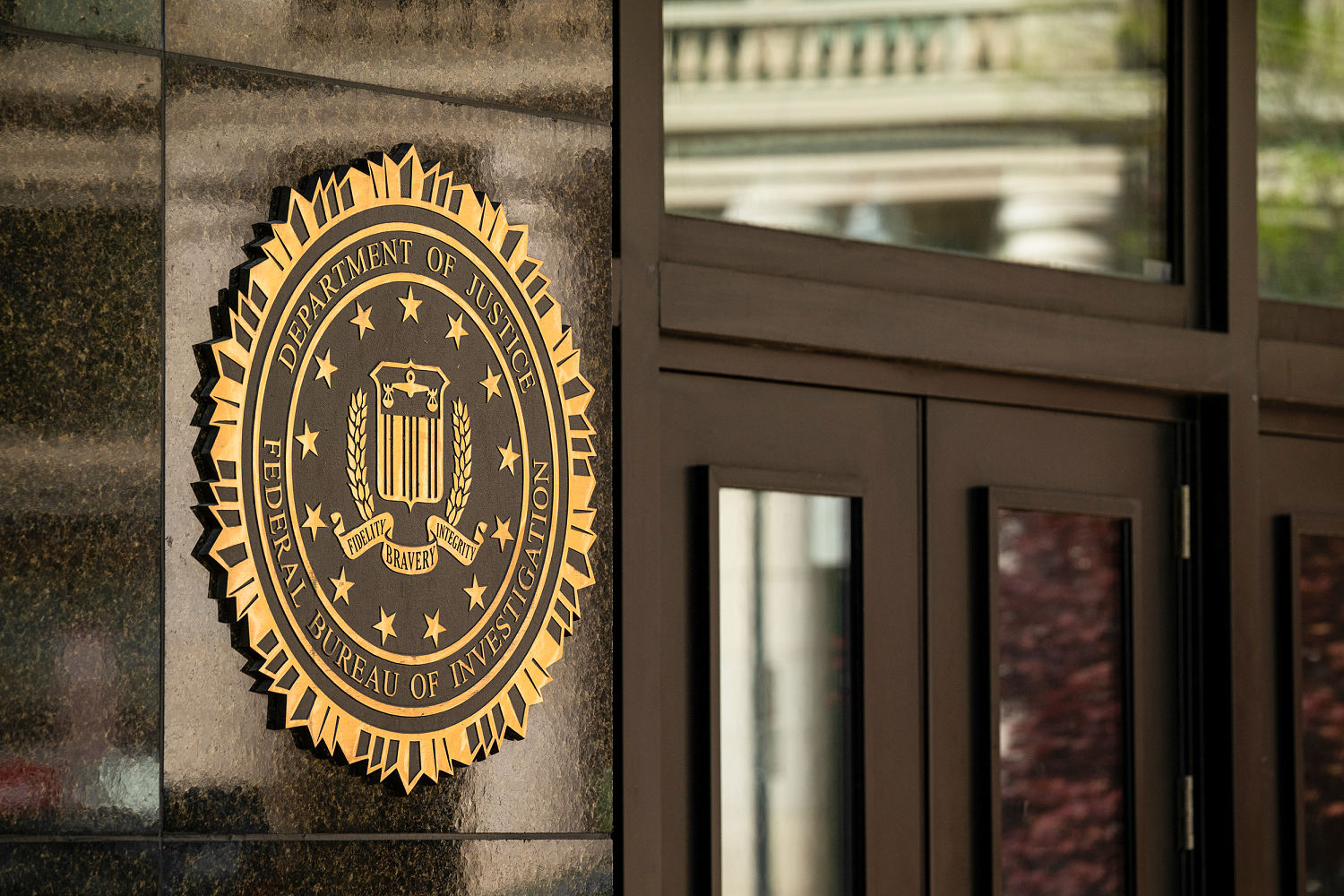
Three U.S. citizens — two from California and one from Kansas — were arrested Friday on charges of plotting to support the terrorist organization ISIS
Read Full Story at NBC News →Why This Matters
The arrests underscore the persistent threat of homegrown extremism in the U.S., even as ISIS’s territorial caliphate has collapsed. They highlight how digital radicalization continues to evolve, with lone actors or small cells finding new ways to coordinate despite weakened central command structures overseas. The case also raises questions about the effectiveness of counterterrorism surveillance in detecting such plots before they advance.
Background Context
Since the 2014 peak of ISIS’s global appeal, American authorities have arrested hundreds of individuals linked to the group, many inspired by online propaganda rather than direct foreign training. The shift reflects a decentralized threat model where small-scale plots—often involving basic weapons or vehicle attacks—pose outsized risks. Meanwhile, domestic extremism networks have increasingly overlapped with transnational jihadist ideologies, complicating law enforcement priorities.
What Happens Next
The defendants face potential life sentences under material support statutes, but legal proceedings will likely hinge on evidence of intent versus capability. Prosecutors may emphasize digital fingerprints—such as encrypted communications or financial transfers—to solidify charges. Observers will watch whether this case prompts renewed scrutiny of tech platforms’ role in radicalization or leads to adjustments in how fusion centers track low-level threats.
Bigger Picture
The incident fits a broader pattern of ISIS-inspired attacks declining in frequency but increasing in unpredictability, as the group pivots to low-cost, high-impact tactics. It also mirrors a wider erosion of public confidence in government counterterrorism efforts, especially as debates over surveillance powers and civil liberties intensify. Law enforcement may face growing pressure to balance aggressive prevention with the risk of overreach in a charged political climate.







