Tiny silica particles wiped out aggressive prostate cancer in mice
Tiny silica nanoparticles engineered to seek out prostate cancer caused tumor cells to self-destruct and supercharged the immune system in preclinical mouse studies. Combined with immunotherapy, the t
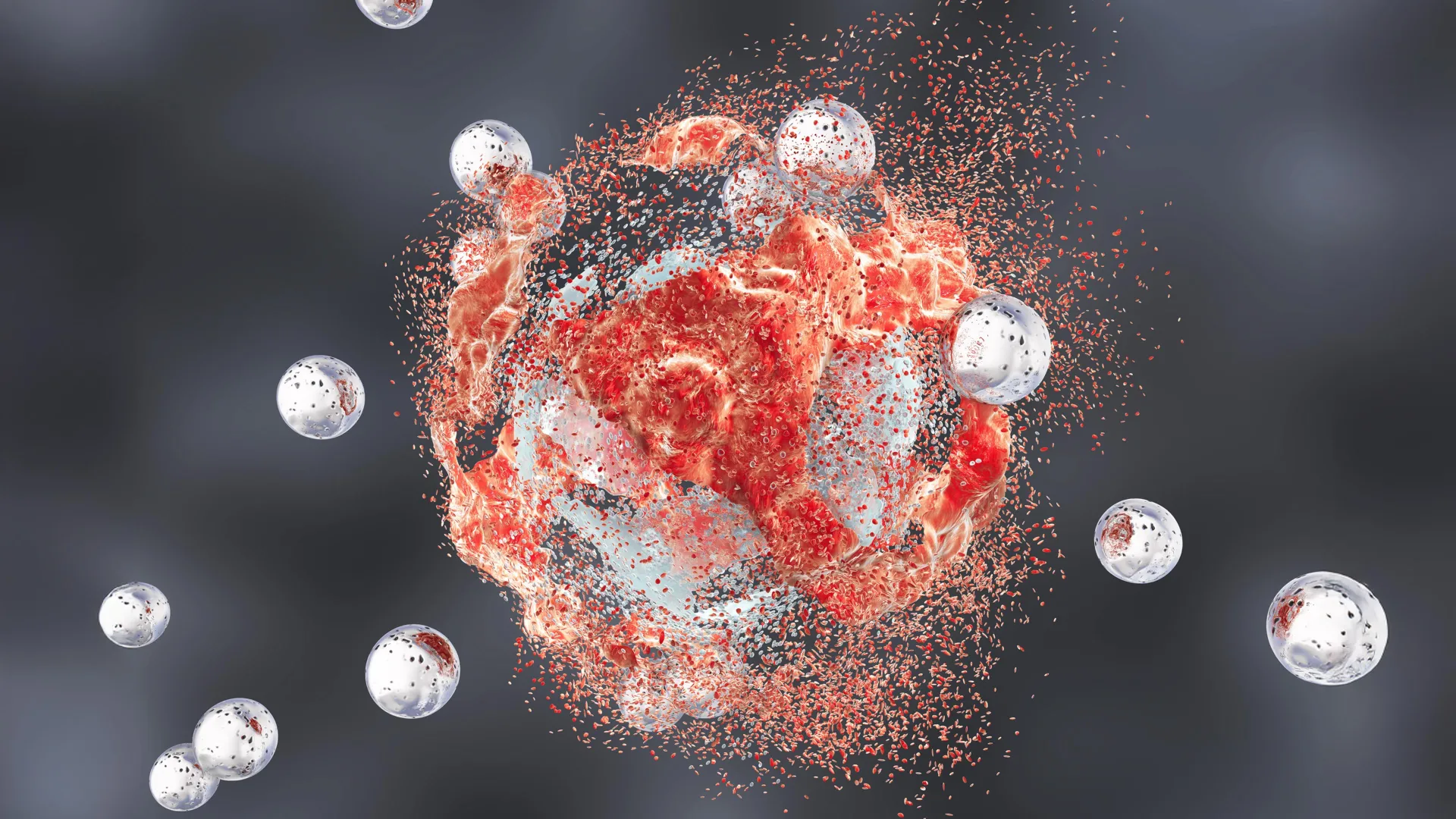
Tiny silica nanoparticles engineered to seek out prostate cancer caused tumor cells to self-destruct and supercharged the immune system in preclinical
Read Full Story at ScienceDaily →Why This Matters
This breakthrough underscores a paradigm shift in oncology, where nanotechnology isn't just a delivery mechanism but an active weapon against cancer. Beyond targeting prostate tumors, the silica particles' dual action—inducing cellular suicide while triggering immune response—hints at a universal strategy that could redefine how we combat aggressive cancers resistant to conventional therapies.
Background Context
Prostate cancer remains the second-leading cause of cancer death in men, with aggressive forms often evading chemotherapy and radiation. While immunotherapy has revolutionized treatment for some cancers, its success in prostate tumors has been limited, leaving a critical gap in therapeutic options. The convergence of nanomedicine and immunotherapy here represents an overdue departure from decades of incremental progress.
What Happens Next
Human trials will be the critical test—whether the silica particles maintain their precision in complex human tissue and avoid triggering dangerous immune overreactions. Regulatory hurdles loom, particularly given the need to demonstrate long-term safety of synthetic nanoparticles. If successful, this could accelerate approval pathways for similar nanomedicine platforms, reshaping how aggressive cancers are prioritized in drug development pipelines.
Bigger Picture
This aligns with a broader momentum in oncology toward "smart" therapies that exploit cellular mechanisms rather than blunt-force destruction. As nanotechnology matures, we may see a wave of treatments where particles act as both payload and catalyst, potentially unlocking cures for cancers currently deemed untreatable. The approach also reflects mounting interest in leveraging the immune system's own machinery against tumors, a shift that could redefine precision medicine's frontier.