Tiny X-ray telescope could unlock the Moon's hidden chemistry
A lightweight new X-ray telescope could finally give scientists something they’ve never had before: a complete chemical map of the Moon. Researchers used detailed mission simulations to show that a c…
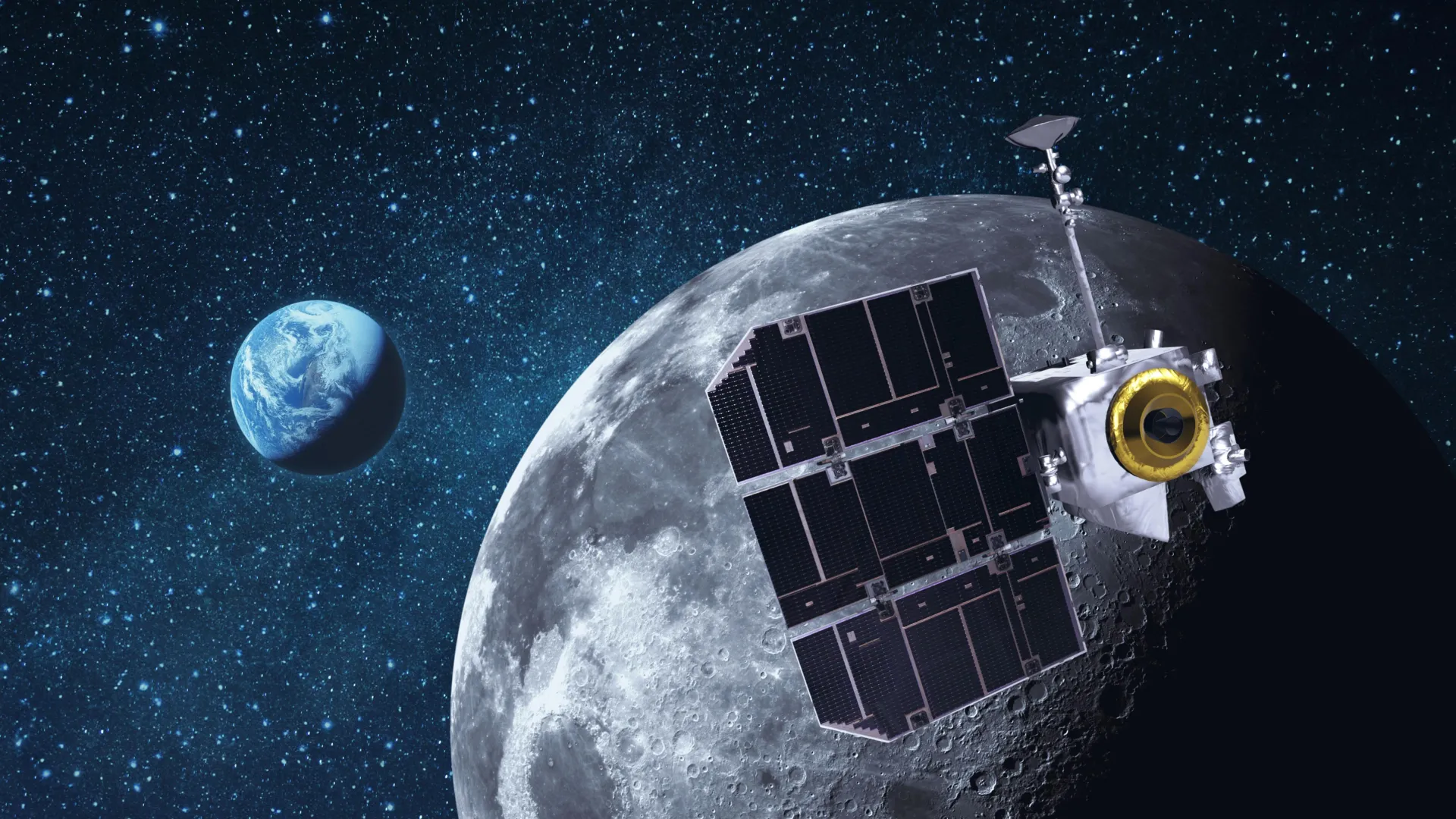
A lightweight new X-ray telescope could finally give scientists something they’ve never had before: a complete chemical map of the Moon. Researchers u
Read Full Story at ScienceDaily →Why This Matters
For decades, lunar science has relied on fragmented data from rock samples and orbital spectroscopy, leaving critical gaps in our understanding of the Moon’s geochemical diversity. A high-resolution chemical map could redefine lunar evolution theories, identify untapped resource deposits, and even inform future human settlements by revealing where water, metals, and other essential elements are concentrated.
Background Context
Despite five decades of robotic and crewed missions, the Moon remains a patchwork of isolated measurements—Apollo samples were limited to the equatorial region, while orbiters like Chandrayaan-1 and Lunar Reconnaissance Orbiter provided broad but low-resolution spectral data. The lack of a unified chemical survey has left fundamental questions unanswered, such as the distribution of volatile compounds in permanently shadowed regions or the origin of enigmatic lunar swirls.
What Happens Next
If the telescope’s simulations hold up in real-world deployment, the first comprehensive lunar geochemical map could emerge within a few years, likely accelerating interest in resource extraction and mining ventures. The data may also prompt revisions to existing lunar formation models, particularly if anomalies emerge in the distribution of thorium or other heat-producing elements that influence the Moon’s internal dynamics.
Bigger Picture
This development aligns with a broader shift toward targeted, low-cost space instrumentation that prioritizes high-impact scientific returns over massive flagship missions. As nations and private entities prepare for sustained lunar presence, accessible tools like this X-ray telescope could democratize lunar exploration, enabling even smaller research groups to contribute to the next phase of off-world science.







