🚔 Crime & Justice
Live
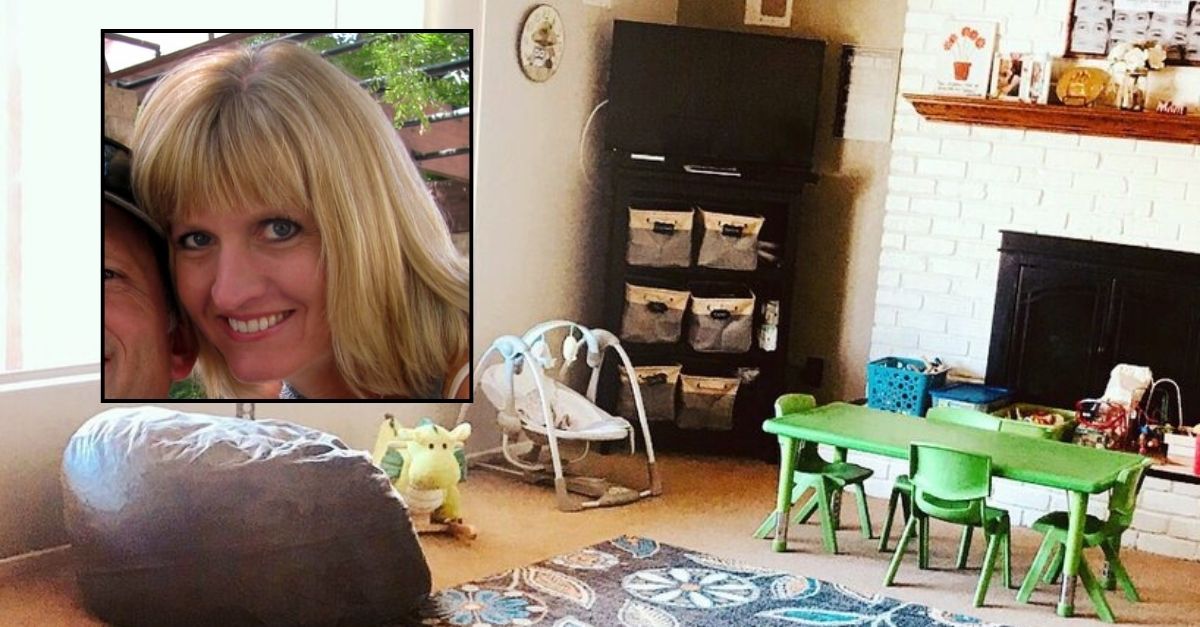
Toddler died at daycare with head wedged between nap cot and crib railing after owner placed the portable bed on top of playpen, left child in room with door shut
A California daycare owner and operator has been ordered to spend three years behind bars after a little girl in her care got her head fatally wedged between a plastic cot and a crib railing. The pos…
Law & Crime — 17 June 2026
Text:
17
0
0
A California daycare owner and operator has been ordered to spend three years behind bars after a little girl in her care got her head fatally wedged
Read Full Story at Law & Crime →
⚡ Quickyla Analysis
Original editorial context — not sourced from the article above
The tragic death of a toddler at a California daycare underscores systemic failures in childcare safety enforcement and the human cost of deregulation. While the case centers on a single operator’s negligence, it reflects broader patterns in the U.S. childcare industry, where oversight varies wildly by state and funding constraints often leave providers underprepared. California, despite having some of the nation’s strictest licensing laws, still grapples with gaps in inspection frequency and accountability, particularly in smaller, home-based facilities. This incident raises urgent questions about whether existing regulations are sufficient—or if structural changes, like mandatory staff-to-child ratios or stricter equipment standards, are needed to prevent such tragedies.
The case also highlights the financial pressures many daycare operators face. In a state where childcare costs exceed college tuition in some areas, providers may cut corners to stay afloat, whether by using substandard or makeshift equipment. Portable cots and playpens, while common in home daycares, are not always designed for overnight use or secure placement, yet they’re frequently repurposed without proper safety checks. The fact that the child was left unattended in a shut room suggests deeper systemic issues: understaffing, lack of training, or a culture that normalizes shortcuts. These are not isolated failures but symptoms of a fragmented system where profit motives can clash with child safety.
Looking ahead, the legal outcome may deter some negligent operators, but real change will require more than criminal penalties. Advocates are pushing for national standards, better training programs, and increased funding for licensing agencies to conduct unannounced inspections. Yet the political will for such reforms remains inconsistent. Meanwhile, parents—already stretched thin by the high cost of care—are left to navigate a patchwork of safety records and inspection histories, often with little recourse when things go wrong. Until these structural issues are addressed, stories like this will continue to repeat, turning preventable tragedies into a grim American norm.
Sources

🚔 Crime & Justice
Dad and daughter crushed to death by bulldozer that rolled off truck, landed on their vehicle after driver failed to properly secure it

🚔 Crime & Justice
Boyfriend used surprise flowers to lure pregnant girlfriend outside, then shot her in the head just weeks before the baby was due, cops and friends say

🚔 Crime & Justice
8-month pregnant woman kills other woman whose child was fathered by the same man

🚔 Crime & Justice
Daughter drained mom's 'life savings' while keeping her locked away in bedroom, refused to change her dirty Pampers as she suffered from dementia and Alzheimer's: Cops

🚔 Crime & Justice
'He's gonna pay': Man lured embattled school board member outside his home by shutting off his power before trying to kill him, cops say
🚔 Crime & Justice
Immigrant detainees sue over 'horrific' conditions at Texas ICE facility

