🔬 Science
Live
Tropical Storm Arthur
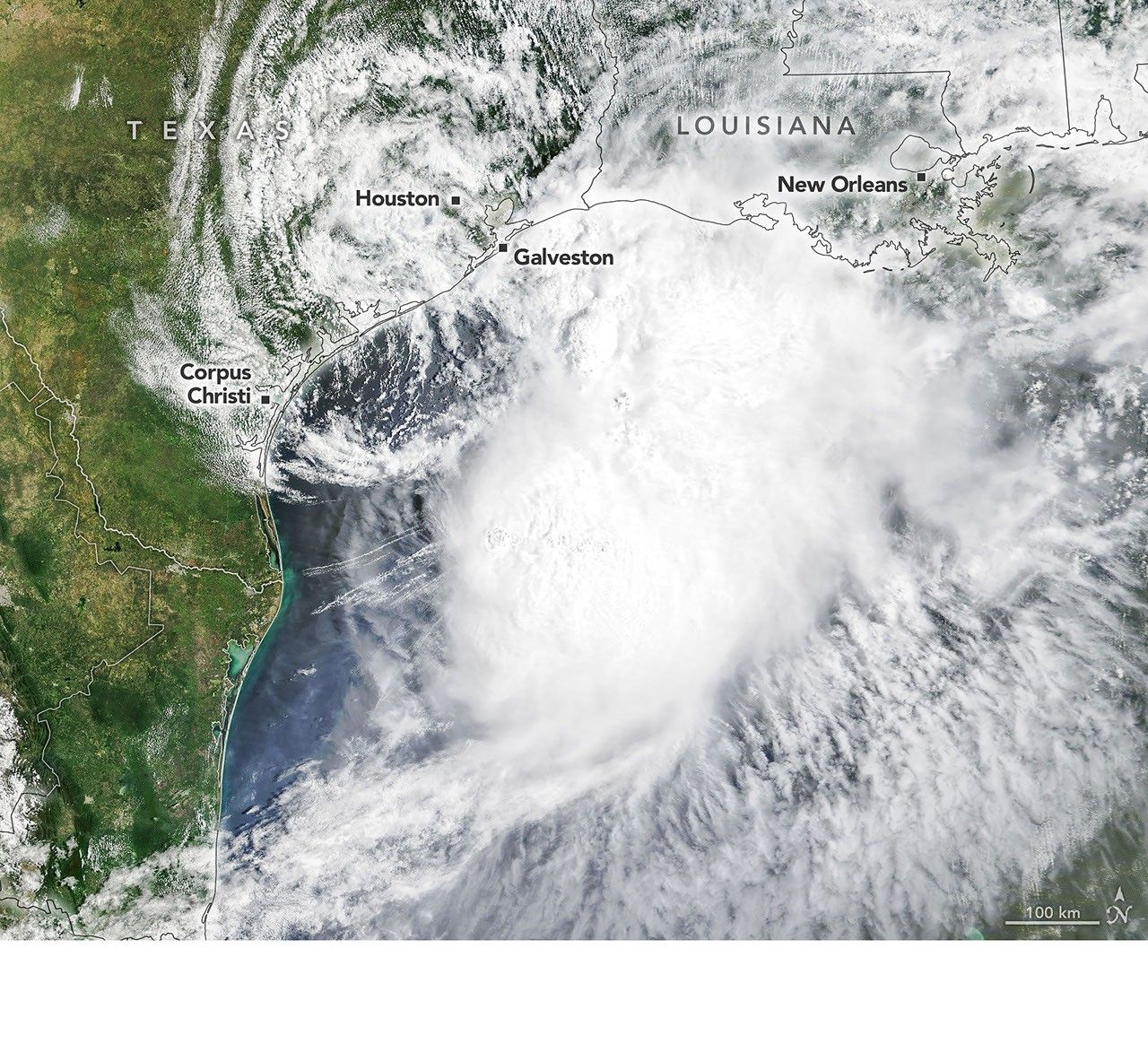
The first named storm of the 2026 Atlantic hurricane season brought intense rainfall and the threat of flash flooding to the U.S. Gulf Coast.
NASA — 18 June 2026
Text:
22
0
0
The first named storm of the 2026 Atlantic hurricane season brought intense rainfall and the threat of flash flooding to the U.S. Gulf Coast. This re
Read Full Story at NASA →
⚡ Quickyla Analysis
Original editorial context — not sourced from the article above
The formation of Tropical Storm Arthur—the first named storm of the 2026 Atlantic hurricane season—arrives at a moment when climate scientists and emergency planners are recalibrating their expectations for tropical cyclones. While early-season storms are not uncommon, their increasing frequency and intensity are raising concerns about whether the traditional Atlantic hurricane season, defined as running from June 1 to November 30, may need redefinition. Arthur’s development in late May, before the official start date, aligns with a well-documented trend: over the past decade, the average date of the first named storm has shifted earlier, attributed in part to rising sea surface temperatures in the Atlantic Basin. This early activity serves as a reminder that preparedness cannot wait for a calendar milestone.
For Gulf Coast communities, Arthur underscores persistent vulnerabilities in flood infrastructure. Decades of urban sprawl, wetland loss, and aging drainage systems have left many areas ill-equipped to absorb sudden, heavy rainfall—even from weaker systems. The storm’s slow movement and concentrated precipitation pattern echo similar events in recent years, such as Hurricane Harvey in 2017 and Tropical Storm Imelda in 2019, both of which overwhelmed local drainage networks and triggered prolonged flooding. Local officials are now under renewed pressure to accelerate resilience projects, including green infrastructure and updated floodplain mapping, while balancing fiscal constraints and competing disaster recovery needs from past events.
Looking ahead, meteorologists will be monitoring whether Arthur’s remnants linger or interact with a larger atmospheric pattern, potentially setting the stage for a more dangerous system later in the season. The National Hurricane Center’s early forecasts suggest a near-normal season overall, but with elevated risks of rapid intensification due to abnormally warm ocean waters. This raises a critical question: If early storms become the new norm, will insurance markets, building codes, and emergency response protocols adapt in time? For now, Arthur’s landfall serves as both a test and a warning—one that will shape how coastal regions brace for a future where the first storm of the year may no longer wait for June.
Sources

🔬 Science
'Astonishing': James Webb telescope spots the most chemically primitive galaxy in the ancient universe

🔬 Science
El Niño Is Underway

🔬 Science
Astronomers gaze into the 'Crystal Ball Nebula' and see a vision of our dying sun — Space photo of the week

🔬 Science
Bacteria uncover distinct strategy to import rare sugar polymers, crystal structures show

🔬 Science
NASA Awards Contract for Johnson Space Center Infrastructure

🔬 Science
Repairing DNA damage: Scientists discover a surprising new benefit of melatonin

