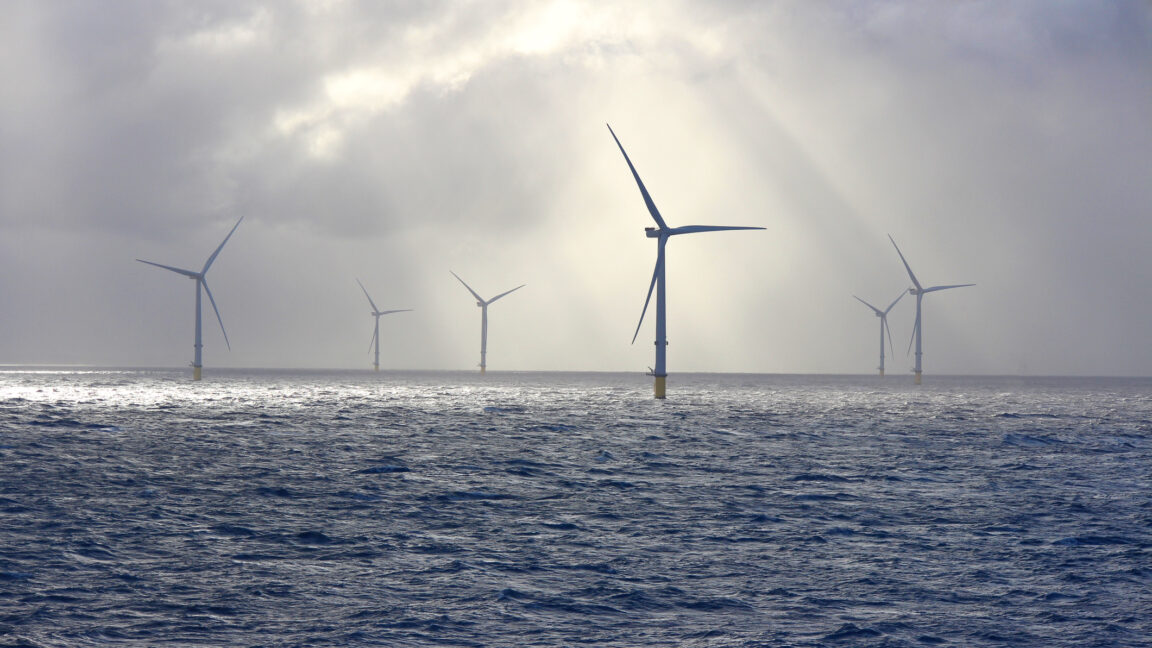
Trump admin abandons fight against wind energy as clean energy output surges
Legal victories have dampened the Trump admin’s efforts to halt wind and solar power.
Ars Technica — 16 June 2026
Text:
10
0
0
Legal victories have dampened the Trump admin’s efforts to halt wind and solar power. This report comes from Ars Technica. The story centres on Trump
Read Full Story at Ars Technica →
⚡ Quickyla Analysis
Original editorial context — not sourced from the article above
The Trump administration’s decision to halt its legal crusade against wind and solar energy marks a quiet but consequential pivot in America’s energy landscape. While the move may appear incremental, its broader significance lies in the accelerating momentum of renewable energy adoption—a trend that now appears nearly unstoppable, regardless of political opposition. The administration’s retreat follows a string of courtroom losses, where judges repeatedly sided with clean energy developers over federal efforts to restrict permits or subsidies. This pattern underscores a fundamental shift: the legal and economic realities of energy production now favor renewables, even in regions once dominated by fossil fuel interests.
Behind this shift is a broader, decades-long evolution in how energy is generated and consumed. Wind and solar costs have plummeted, making them the cheapest new power sources in most of the country. Meanwhile, utilities and corporations—motivated by shareholder demands, state mandates, and consumer preferences—have been aggressively expanding renewable capacity. The Trump administration’s resistance, though symbolically charged, failed to account for this market-driven transition. The few remaining fights, like blocking offshore wind projects or rolling back tax credits, now seem increasingly futile.
What happens next is less about whether renewables will dominate—it’s about how fast. The Biden administration’s clean energy incentives, though politically contentious, have only deepened the economic advantage of wind and solar. Yet the Trump administration’s surrender could embolden Republican-led states to pursue alternative strategies, such as imposing new transmission costs or local permitting hurdles, to slow the transition. Legal battles will likely shift from outright bans to more technical disputes over grid access and interstate commerce.
The bigger picture is clear: the energy transition is no longer a partisan experiment but an entrenched market reality. Even if federal policy swings back toward fossil fuels, the infrastructure and capital now flowing into renewables may prove too entrenched to reverse. The question isn’t whether wind and solar will dominate, but how the political and economic systems will adapt to a power grid where fossil fuels are the declining player.
Sources

💻 Technology
You can now beat ChatGPT Codex rate limits, if you have friends

💻 Technology
Meta is reportedly developing an AI pendant

💻 Technology
Cash App made a magic wand for contactless payments

💻 Technology
Coders are refusing to work without AI — and that could come back to bite them

💻 Technology
Hackers hijacked Instagram accounts by tricking Meta AI support chatbot into granting access

💻 Technology
Asus gives the ROX Xbox Ally the OLED screen it deserves

