🌱 Environment
Live
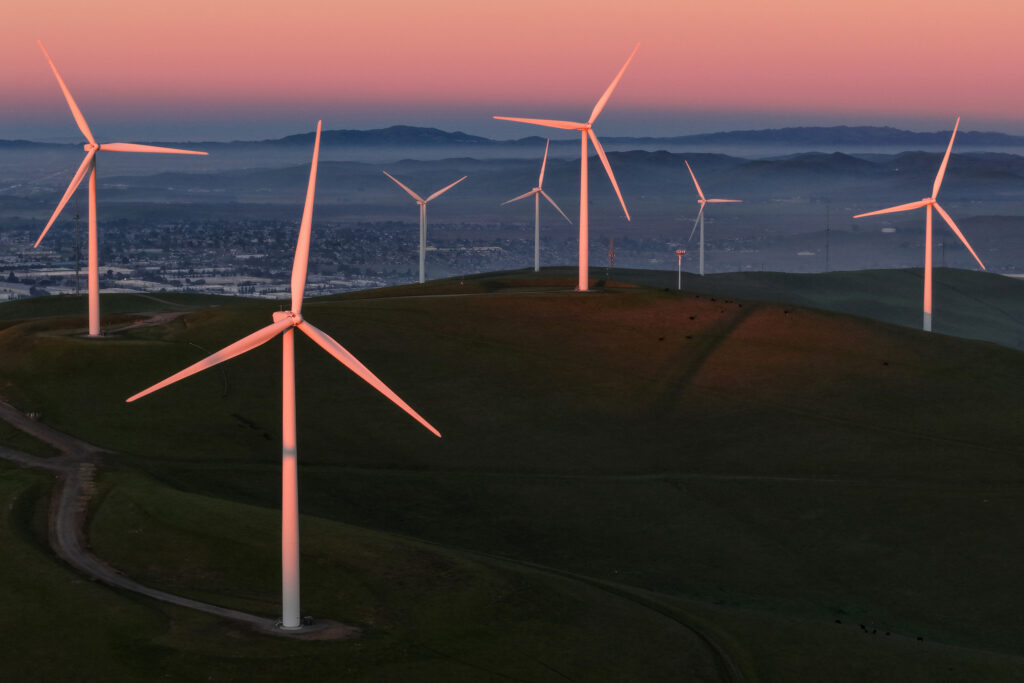
Trump Administration Abandons Fight Against Wind Energy as Clean Energy Output Surges
The Trump administration has abandoned its effort to halt wind energy projects across the United States and dropped its challenge to the court ruling that tossed President Donald Trump’s order freezi…
Inside Climate News — 15 June 2026
Text:
31
0
0
The Trump administration has abandoned its effort to halt wind energy projects across the United States and dropped its challenge to the court ruling
Read Full Story at Inside Climate News →
⚡ Quickyla Analysis
Original editorial context — not sourced from the article above
The Trump administration’s abrupt reversal on wind energy policy marks a quiet but significant inflection point in America’s energy transition—a shift that reflects both the inexorable rise of renewable infrastructure and the political pragmatism of an administration once defined by its fossil fuel advocacy. While the move may seem like a minor bureaucratic footnote, its implications ripple far beyond the courtroom. Wind energy now supplies over 10 percent of U.S. electricity, a milestone achieved despite years of regulatory headwinds, and this decision signals that even the most strident opponents of clean energy must now reckon with its market dominance. The administration’s decision to drop its appeal of a court ruling blocking Trump’s 2020 executive order—an order that sought to freeze offshore wind permits in the name of "energy dominance"—underscores a broader reality: federal policy, no matter how ideologically driven, cannot indefinitely suppress technological and economic momentum.
This pivot also reveals the limitations of executive power in an era of decentralized energy production. Unlike fossil fuel projects, which rely heavily on federal leasing and infrastructure approvals, wind and solar developments increasingly thrive on state-level incentives, private investment, and falling technology costs. The rapid decline in wind energy costs—down nearly 70 percent over the last decade—has made it competitive with conventional sources even without subsidies, rendering legal battles over permits a secondary concern. Meanwhile, the Biden administration’s Inflation Reduction Act has supercharged domestic manufacturing of wind components, embedding clean energy deeper into the supply chain.
Yet unanswered questions linger. Will this shift accelerate offshore wind projects along the Atlantic coast, where opposition from fishing industries and coastal property owners has already delayed key developments? Could it embolden red states to reconsider their own resistance to renewable mandates, particularly as utilities seek to meet corporate demand for carbon-free power? And perhaps most critically, does this represent a one-off tactical retreat, or the beginning of a broader recalibration within conservative energy policy—one where political messaging still leans fossil but economic reality demands pragmatism?
One thing is clear: the energy landscape has changed, and policy is now playing catch-up. The question is whether Washington’s next political cycle will recognize that reality—or keep fighting it.
Sources

🌱 Environment
Erin Brockovich criticizes Microsoft data center secrecy in Utah

🌱 Environment
Rescues in eastern Syria after the Euphrates River bursts its banks

🌱 Environment
Indonesians mark 20 years since mud volcano eruption swallowed up entire communities in East Java

🌱 Environment
Biden’s Clean Drinking Water Plan Is Being Rebranded as MAHA

🌱 Environment
Trump’s EPA Unlawfully Cancelled Environmental Justice Grants, Judge Rules

🌱 Environment
Heat is Killing Wildlife Across the Animal Kingdom. A New Forecasting Tool May Help

