Trump announces $700m coal investment using wartime powers
Donald Trump plans to invest hundreds of millions of dollars to revive the US coal industry, with much of the new funding coming through the president's wartime powers. "So today we're taking histor…
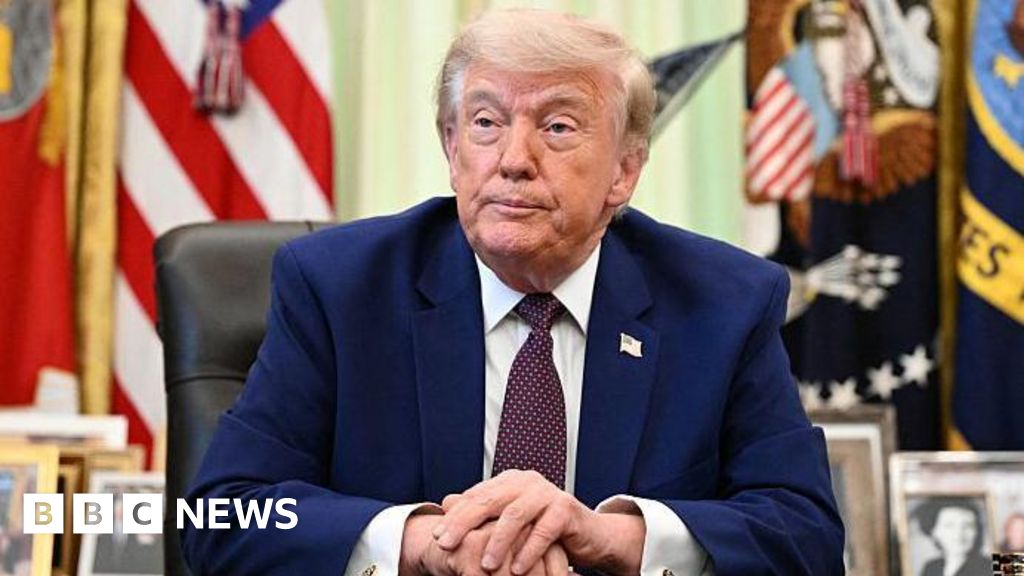
Donald Trump plans to invest hundreds of millions of dollars to revive the US coal industry, with much of the new funding coming through the president
Read Full Story at BBC Business →Why This Matters
This move signals a dramatic pivot in energy policy, framing coal not just as an industry but as a strategic national asset—one that the president is willing to subsidize through emergency powers typically reserved for military conflicts. It could redefine the federal government’s role in propping up declining sectors, setting a precedent for how economic crises are addressed in an era of partisan gridlock.
Background Context
Coal’s decline has been decades in the making, accelerated by cheap natural gas, renewable energy growth, and mounting climate regulations. While Trump’s 2017 rollback of Obama-era coal restrictions provided temporary relief, market forces have continued to squeeze the industry. The use of wartime powers—traditionally invoked for defense production—raises constitutional questions about executive authority over domestic economic policy.
What Happens Next
The immediate test will be how quickly these funds translate into new mining operations or plant reopenings, given persistent labor shortages and infrastructure gaps. Legal challenges are inevitable, with environmental groups and energy companies likely to contest the legality of diverting defense funds for industrial revival. Congress may also push back, forcing a showdown over the separation of fiscal and emergency powers.
Bigger Picture
This reflects a broader nationalist economic strategy that prioritizes domestic production over global market signals, echoing past eras of protectionism. It also underscores the growing politicization of energy transitions, where short-term job preservation clashes with long-term decarbonization goals. If successful, it could embolden future administrations to bypass legislative gridlock in reshaping critical industries.