Trump mocks Andy Burnham as 'mayor of a town
Trump mocked Andy Burnham as the “mayor of a town” and “extremely liberal,” targeting his refusal to open the North Sea to new oil and gas drilling. This signals potential clashes in UK-US relations i
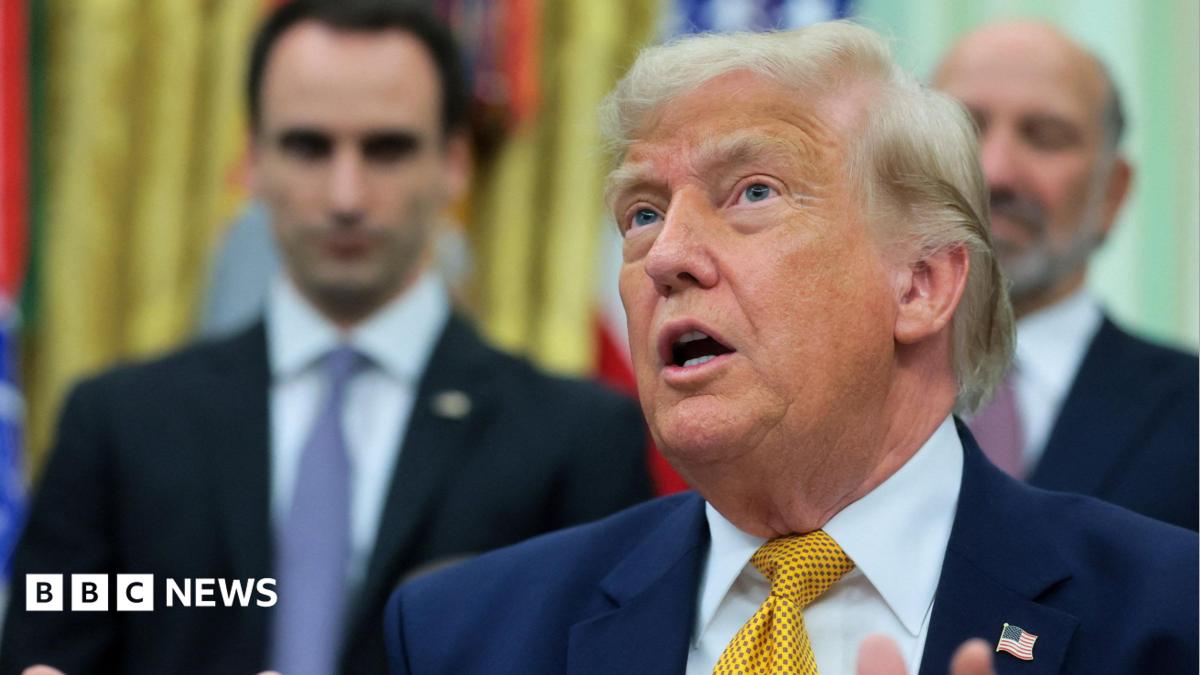
Donald Trump has taken aim at Andy Burnham, dismissing the UK’s likely next prime minister as “the mayor of a town” and an “extremely liberal” figure
Read Full Story at BBC Politics →Why This Matters
Donald Trump’s latest rhetorical salvo against Manchester’s mayor underscores a growing pattern of transatlantic friction over energy policy and political ideology. Beyond symbolism, such remarks risk hardening divisions on climate strategy just as the UK and US navigate shared economic and security challenges. The barb about Burnham’s municipal scope also hints at a deliberate diminishment of local governance, a tactic that could resonate in both domestic and international arenas.
Background Context
The North Sea oil and gas debate has long been a flashpoint between environmental imperatives and economic pragmatism in British politics. Burnham’s resistance to new drilling aligns with broader Labour Party policies prioritizing net-zero targets over short-term fossil fuel extraction. Meanwhile, Trump’s skepticism toward renewable transitions—despite his own energy sector rhetoric—reveals a persistent tension between US energy independence and global climate commitments.
What Happens Next
If Trump’s administration pursues retaliatory measures or pressure tactics, the UK may face a dilemma: balancing diplomatic ties with Burnham’s domestic stance or risking electoral backlash. Watch for shifts in UK energy investment or regulatory adjustments that could mollify US concerns without outright concessions. The timing also coincides with broader EU-US trade talks, where energy policy could emerge as a bargaining chip.
Bigger Picture
This episode reflects a wider global phenomenon where subnational leaders—often unconstrained by national party lines—shape international relations as much as heads of state. It also highlights how climate policy is increasingly weaponized in political discourse, blurring the line between environmental advocacy and ideological warfare. As local governments gain prominence in energy decisions, expect more cross-border sparring over who holds the reins of policy.








