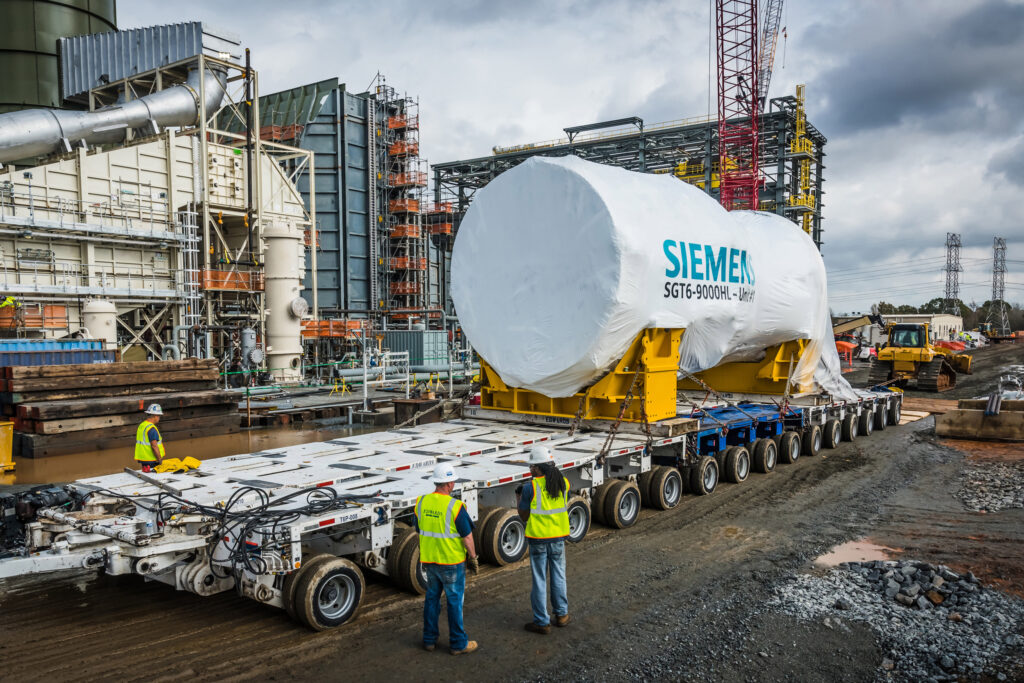
Trump Funds Two New Coal Plants and Extends Another Dozen, Citing ‘Energy Dominance’
Thursday’s flurry of coal news from energy officials included $425 million to extend the life of 12 coal plants in several states, such as $50 million from the U.S. Department of Energy (DOE) for the…
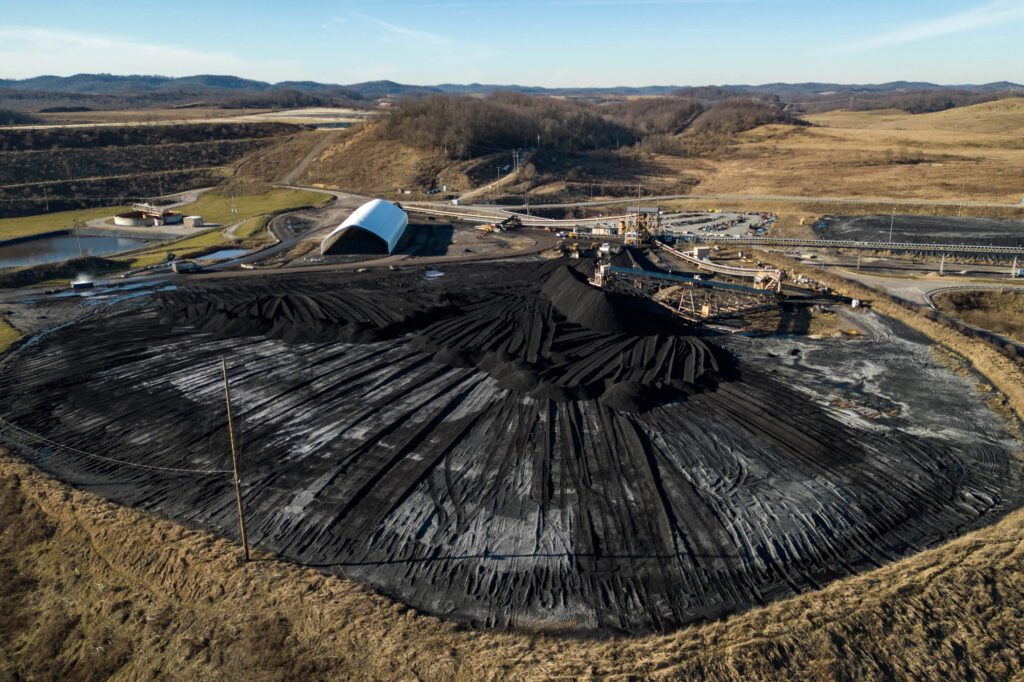
Thursday’s flurry of coal news from energy officials included $425 million to extend the life of 12 coal plants in several states, such as $50 million
Read Full Story at Inside Climate News →Why This Matters
The Trump administration’s move to inject $425 million into coal plant lifelines signals a deliberate pivot toward fossil fuel revivalism, challenging both market forces and climate policy momentum. It underscores how energy policy remains a wedge issue in U.S. politics, with implications for energy security, economic priorities, and the global transition away from carbon-intensive power.
Background Context
Coal’s decline over the past decade—driven by cheaper renewables, stricter regulations, and utility retirements—has been stark, with over half of U.S. coal plants closed since 2010. The Biden administration’s push for clean energy tax credits and grid modernization contrasts sharply with Trump’s "energy dominance" rhetoric, which frames fossil fuels as vital to national security and economic resilience.
What Happens Next
The funding extension could delay coal plant retirements by several years, while legal and regulatory battles over subsidies and environmental reviews may unfold. Meanwhile, investors in renewable projects could face heightened uncertainty, and grid operators may grapple with balancing reliability concerns against decarbonization goals.
Bigger Picture
This intervention reflects a broader Republican strategy to weaponize energy policy against climate mandates, mirroring recent state-level bans on gas stove electrification and utility-scale solar restrictions. It also highlights the tension between short-term economic protectionism and long-term energy transition goals, a fault line that will define U.S. climate policy for years to come.