Trump says 'nobody' attacked Iranian girls' school 'on purpose'
Donald Trump has said "nobody" purposefully attacked an Iranian girls' school where scores of people were killed in a strike on the first day of the war.
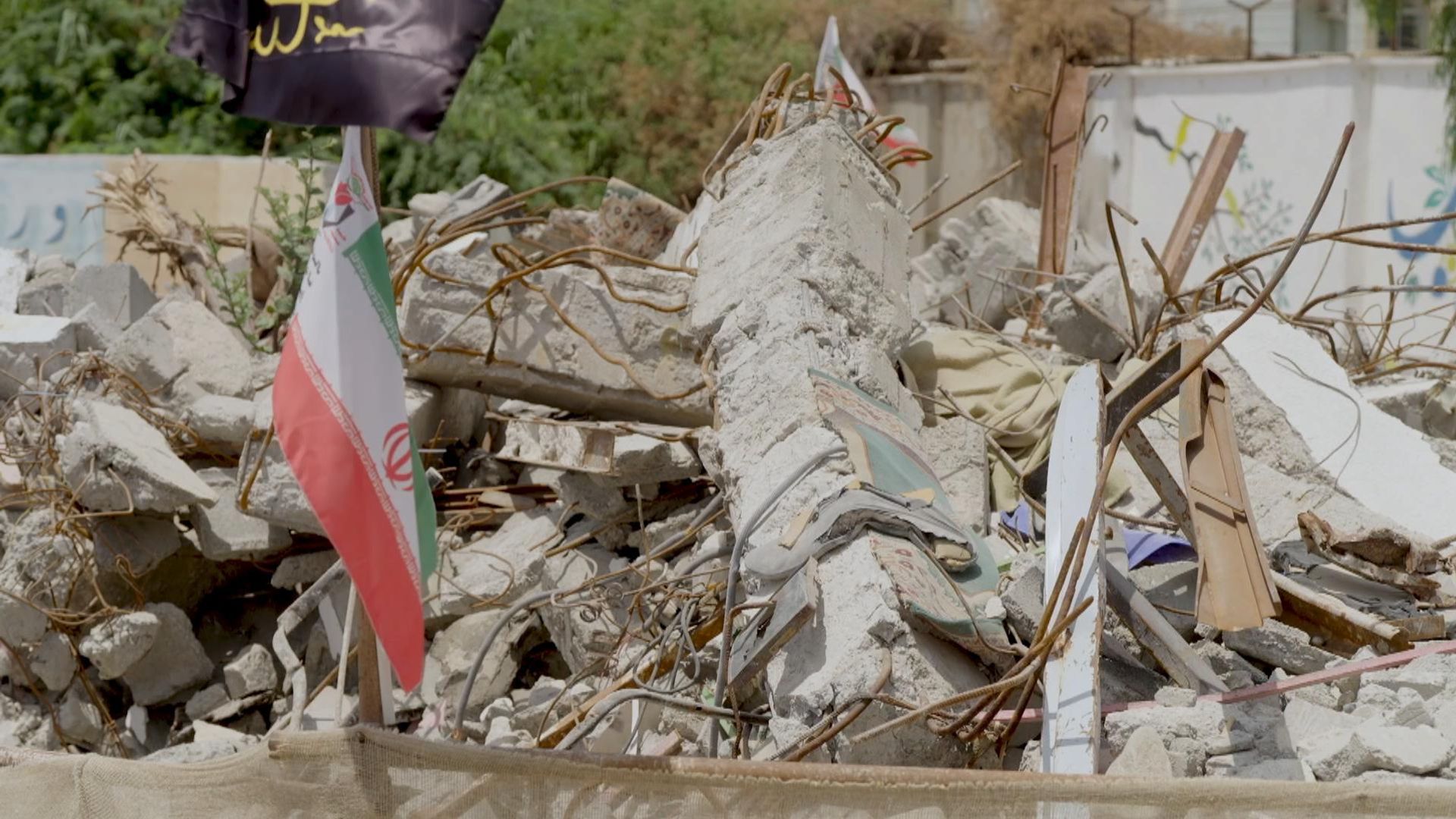
Sky News — 17 June 2026
Text:
15
0
0
Donald Trump has said "nobody" purposefully attacked an Iranian girls' school where scores of people were killed in a strike on the first day of the w
Read Full Story at Sky News →
⚡ Quickyla Analysis
Original editorial context — not sourced from the article above
The remarks by Donald Trump regarding the bombing of an Iranian girls’ school carry weight beyond their immediate context because they intersect with two volatile currents: the escalating shadow war between Iran and Israel, and the broader pattern of civilian targeting in regional conflicts. While the incident itself remains unverified in terms of perpetrator and motive, the statement’s broader significance lies in how it reflects the normalization of ambiguity in high-stakes geopolitical violence. When a figure like Trump—no stranger to controversy—publicly dismisses the possibility of intentional harm, it underscores a troubling precedent: in an era where deniability is weaponized, the question of who is responsible often becomes secondary to the narrative that serves immediate political ends.
This is not the first time civilian infrastructure has been caught in the crossfire of proxy conflicts in the Middle East, but the targeting of a girls’ school introduces a chilling dimension. Schools, especially those educating girls, have long been symbols of resistance and progress in Iran, where women’s rights have been a flashpoint for decades. The strike, if confirmed as deliberate, would fit a disturbing trend seen in conflicts from Yemen to Syria, where educational institutions are deliberately destroyed not just to inflict casualties but to erode social fabric. Yet without transparent investigations—something neither Tehran nor Washington has shown much interest in pursuing—such incidents risk becoming footnotes in a cycle of retaliatory rhetoric rather than catalysts for accountability.
Looking ahead, the most pressing question is whether this episode will harden positions on both sides, further constraining diplomatic space. Iran has already framed the attack as part of a broader campaign to destabilize its theocratic rule, while critics of U.S. policy may see Trump’s remarks as a calculated attempt to deflect blame. Meanwhile, the broader trend of asymmetric warfare—where states and non-state actors alike rely on plausible deniability—suggests that civilian casualties will continue to be treated as collateral damage in a war without clear battle lines. The real test will be whether this incident becomes a turning point in how the international community responds to deliberate attacks on vulnerable populations, or merely another statistic in a conflict that has long since blurred the line between war and atrocity.
Sources

🌍 World News
Man fleeing police attacked by alligator before continuing his getaway, Louisiana authorities say
🌍 World News
US crude exports hit record high in May as Iran war tightens global oil supplies

🌍 World News
Agitators outside Delaney Hall set up organized logistics operation before Newark protests began

🌍 World News
French doctors sound alarm over drinking water pollution

🌍 World News
Iran, Kuwait, Bahrain hit: Is the war in the Gulf escalating again?

🌍 World News
Four people trapped in flooded cave in Laos pulled to safety

