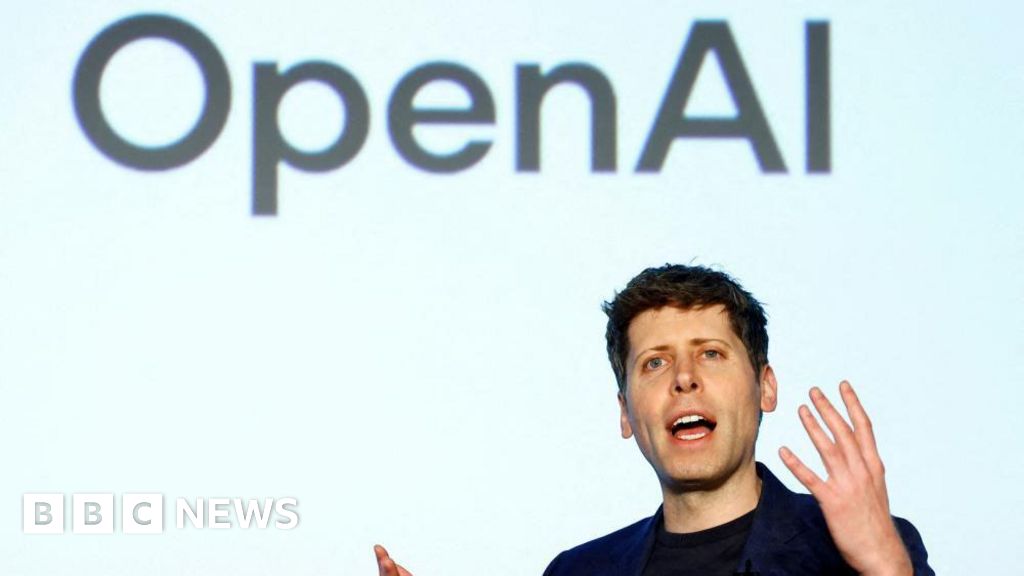
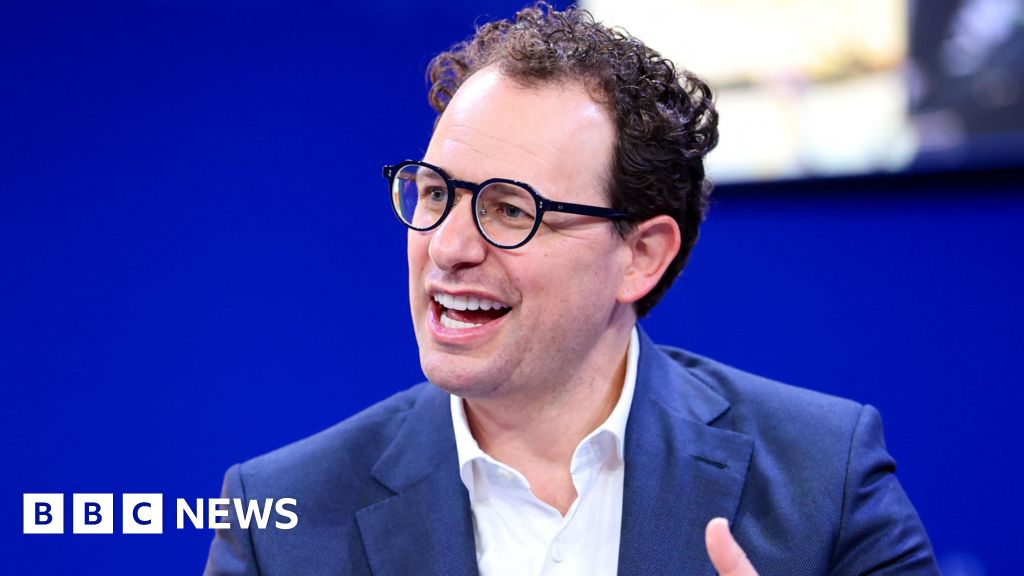
Trump to meet AI leaders to discuss US investment in their companies
US President Donald Trump is planning to meet the bosses of some of the country's most notable artificial intelligence (AI) companies to discuss the government taking a financial stake in their futur…
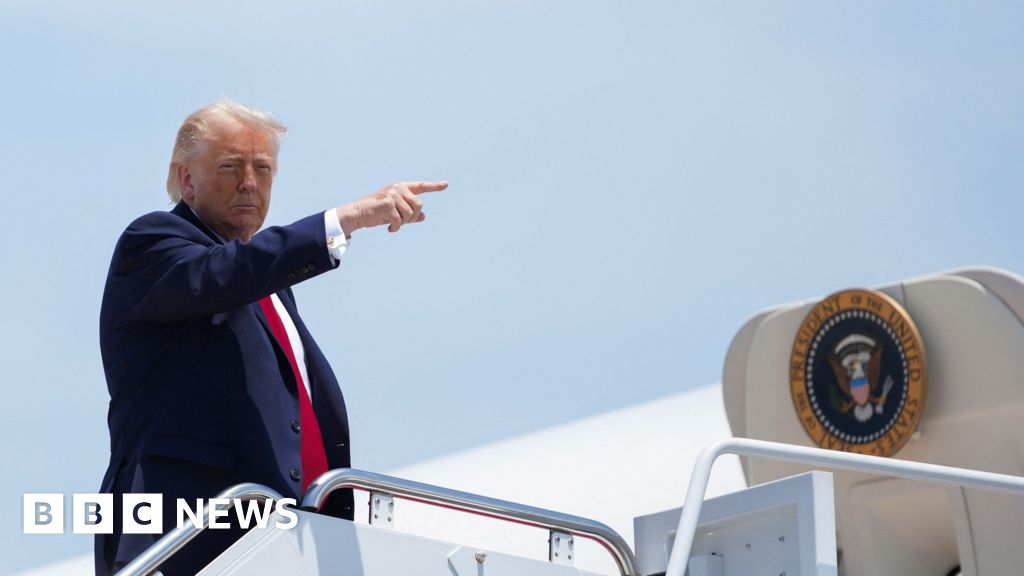
US President Donald Trump is planning to meet the bosses of some of the country's most notable artificial intelligence (AI) companies to discuss the g
Read Full Story at BBC Business →Why This Matters
The Trump administration’s potential financial stake in AI firms signals a strategic pivot toward direct government engagement in high-tech sectors—a marked departure from past hands-off approaches. This move could redefine public-private partnerships in AI, blurring lines between corporate innovation and state economic interests while testing the limits of antitrust norms.
Background Context
Federal investments in AI have historically been indirect, funneled through grants or defense contracts, but direct equity stakes would mirror models like sovereign wealth funds or China’s state-backed tech financing. Recent bipartisan skepticism toward Big Tech’s dominance, coupled with Trump’s populist economic rhetoric, suggests this initiative is as much about geopolitical leverage as it is about fiscal strategy.
What Happens Next
If executed, the government’s financial involvement could trigger legal challenges over conflicts of interest, especially if stakes are tied to regulatory decisions. The timing—just months before the election—hints at a broader campaign narrative framing AI as a national security asset, while opposition Democrats may decry it as corporate favoritism. Watch for initial disclosures of which firms are included and whether the model extends beyond AI to other tech sectors.
Bigger Picture
This aligns with a global race to control AI’s future, where governments increasingly see direct stakes as a tool to ensure domestic dominance. The precedent could reshape how Silicon Valley engages with Washington, normalizing state capitalism in an industry long resistant to it—with implications for innovation speed, market competition, and the balance of power between tech and government.