Trump touts deal with Iran as administration releases text of agreement
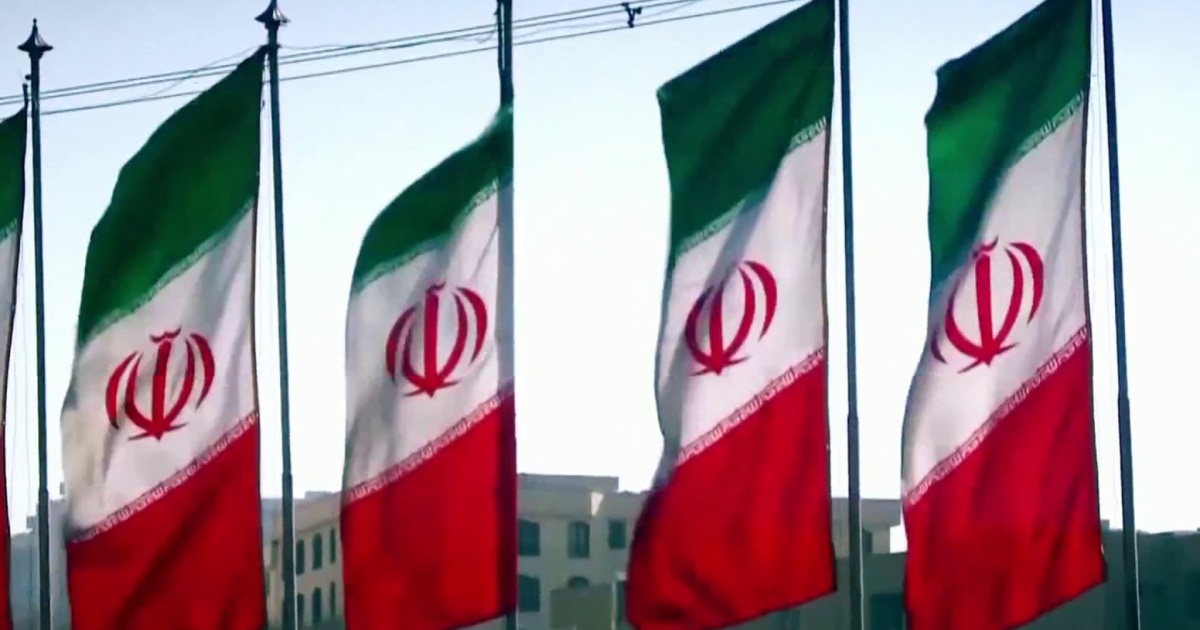
President Trump touted the preliminary peace deal with Iran, which now leads to 60 days of further talks. Critics said the deal gives away too much to the Iranian regime. NBC News’ Gabe Gutierrez rep…
NBC News — 17 June 2026
Text:
16
0
0
President Trump touted the preliminary peace deal with Iran, which now leads to 60 days of further talks. Critics said the deal gives away too much to
Read Full Story at NBC News →
⚡ Quickyla Analysis
Original editorial context — not sourced from the article above
The preliminary agreement between the U.S. and Iran, now entering a 60-day negotiation phase, arrives at a volatile moment in Middle Eastern geopolitics. While framed as a step toward stability, the deal’s contours—particularly its concessions to Tehran—risk reinforcing skepticism about the administration’s broader strategy. Critics argue that any easing of pressure on Iran, even as a temporary confidence-building measure, could embolden its regional proxies in Yemen, Syria, and Lebanon while doing little to curb its nuclear ambitions. The release of the agreement’s text, though intended to foster transparency, may only deepen divisions domestically, where trust in the administration’s handling of foreign policy remains thin.
This isn’t the first time Washington has pursued a phased approach with Tehran. The 2015 Joint Comprehensive Plan of Action (JCPOA), though later abandoned by Trump, demonstrated both the allure and peril of incremental diplomacy. The current deal’s reliance on temporary pauses in sanctions—rather than irreversible structural changes—echoes past failures, where Iran pocketed relief without altering its destabilizing behavior. Meanwhile, regional allies like Israel and Saudi Arabia, already wary of perceived U.S. disengagement, will scrutinize the agreement’s fine print for loopholes that could allow Iran to exploit economic relief while continuing its military expansion.
What remains unclear is whether the 60-day window will yield substantive concessions or merely delay a broader reckoning. Iran’s leadership, facing internal economic strain and external pressure from protests, may see short-term gains in negotiations as a way to reset its image without conceding on core demands. Yet if history is any guide, Tehran’s calculus often favors delay and attrition over compromise. The administration’s decision to publish the agreement suggests a bet on domestic credibility—proving to skeptics that diplomacy can yield tangible results—but the risk is that it merely sets the stage for the next crisis when talks collapse or Iran resumes provocations.
Broader trends underscore the stakes. The global energy market, still adjusting to Russia’s war in Ukraine, remains acutely sensitive to any disruption in Iranian oil flows. A U.S.-Iran détente, even a fragile one, could stabilize prices but also undermine Western sanctions regimes. Meanwhile, the deal’s reception in Congress and among the American public will test the durability of bipartisan fatigue with Middle East conflicts. For now, the agreement’s true impact hinges on whether it’s a bridge to lasting peace or a stepping stone to the next confrontation.
Sources

🌍 World News
Agitators outside Delaney Hall set up organized logistics operation before Newark protests began

🌍 World News
Man fleeing police attacked by alligator before continuing his getaway, Louisiana authorities say
🌍 World News
US crude exports hit record high in May as Iran war tightens global oil supplies

🌍 World News
French doctors sound alarm over drinking water pollution

🌍 World News
Iran, Kuwait, Bahrain hit: Is the war in the Gulf escalating again?

🌍 World News
Four people trapped in flooded cave in Laos pulled to safety


