Trump won’t renew USMCA deal, toppling a pillar of global trade stability
The decision is a stark reversal for the president, who signed the North American pact in 2018 and called it the “most important trade deal ever.”
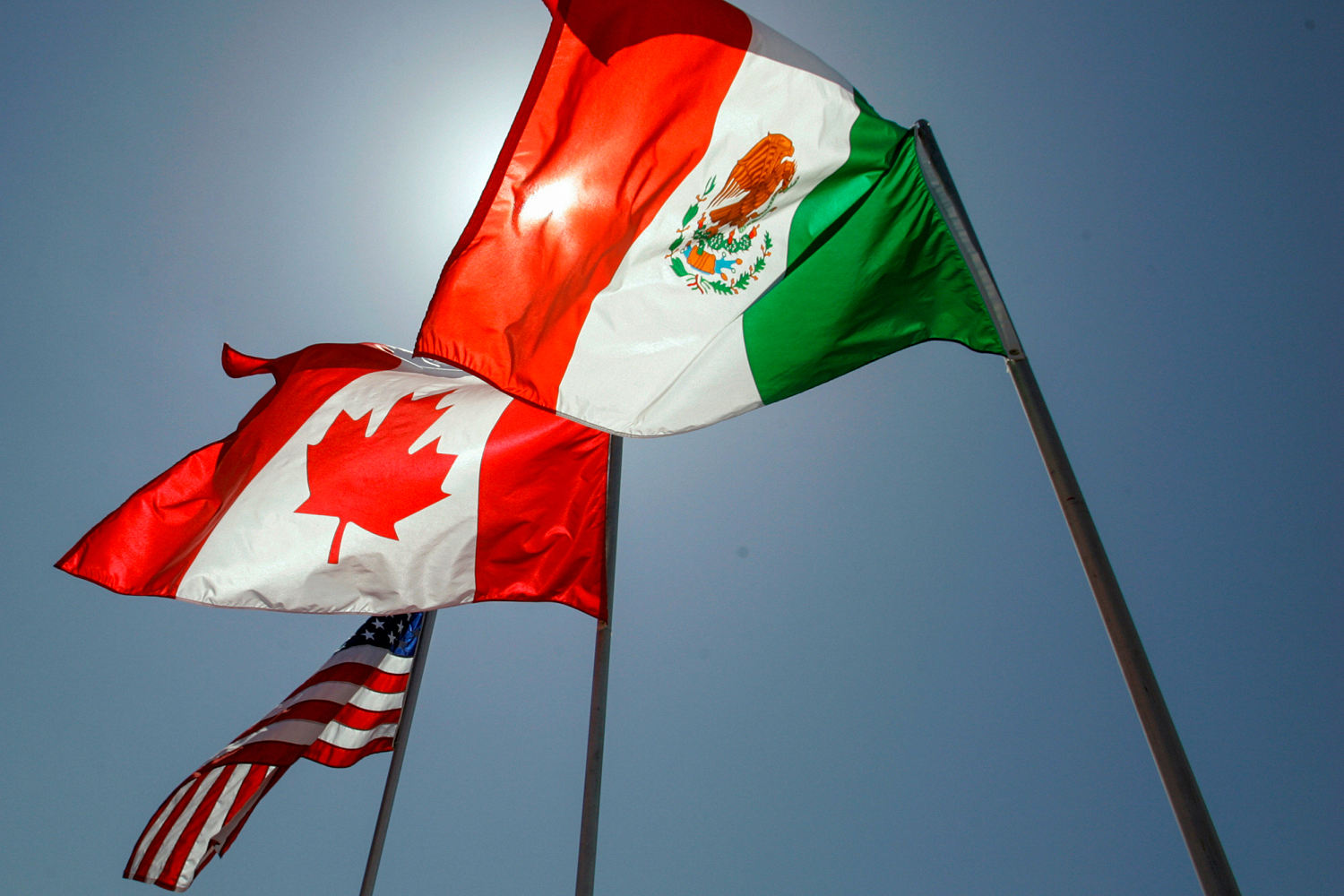
The decision is a stark reversal for the president, who signed the North American pact in 2018 and called it the “most important trade deal ever.”
Read Full Story at NBC News →Why This Matters
The potential collapse of the USMCA marks a seismic shift in North American trade dynamics, threatening the stability of a $24 trillion regional economy built on interconnected supply chains. Beyond economics, this move signals a hardening of protectionist instincts in Washington, even against deals once heralded as triumphs of pragmatic diplomacy. The ripple effects could reshape investor confidence and geopolitical alliances across the hemisphere.
Background Context
Signed in 2018 after contentious negotiations, the USMCA replaced NAFTA with modest updates in labor, environmental, and digital trade provisions—yet its survival hinged on bipartisan cooperation unlikely in today’s polarized climate. The deal’s provisions on automotive content rules and dairy market access were hard-won compromises that now face renewed scrutiny as domestic political winds shift. Few expected the agreement’s architect to become its most vocal critic years later.
What Happens Next
Without a replacement framework, tariffs could reimpose on cross-border commerce within months, disrupting industries from autos to agriculture that operate across integrated supply chains. Congress may scramble to assert its constitutional trade authority, while Mexico and Canada weigh retaliatory measures or legal challenges under WTO rules. Watch for sector-specific lobbying battles to emerge as industries lobby to preserve their hard-won market access.
Bigger Picture
This development fits a broader pattern of trade policy swings during election cycles, where long-term stability takes a backseat to short-term political messaging. It also underscores how supply chain vulnerabilities exposed during the pandemic have emboldened skepticism toward multilateral agreements, even those designed to modernize them. The episode may foreshadow similar challenges to other pillars of the post-WWII trade order in coming years.





