Tubulin prevents toxic brain protein clumps linked to Alzheimer’s and Parkinson’s
Scientists at Baylor College of Medicine may have uncovered a promising new way to combat Alzheimer’s and Parkinson’s disease. Instead of trying to stop Tau and alpha-synuclein proteins from gathering
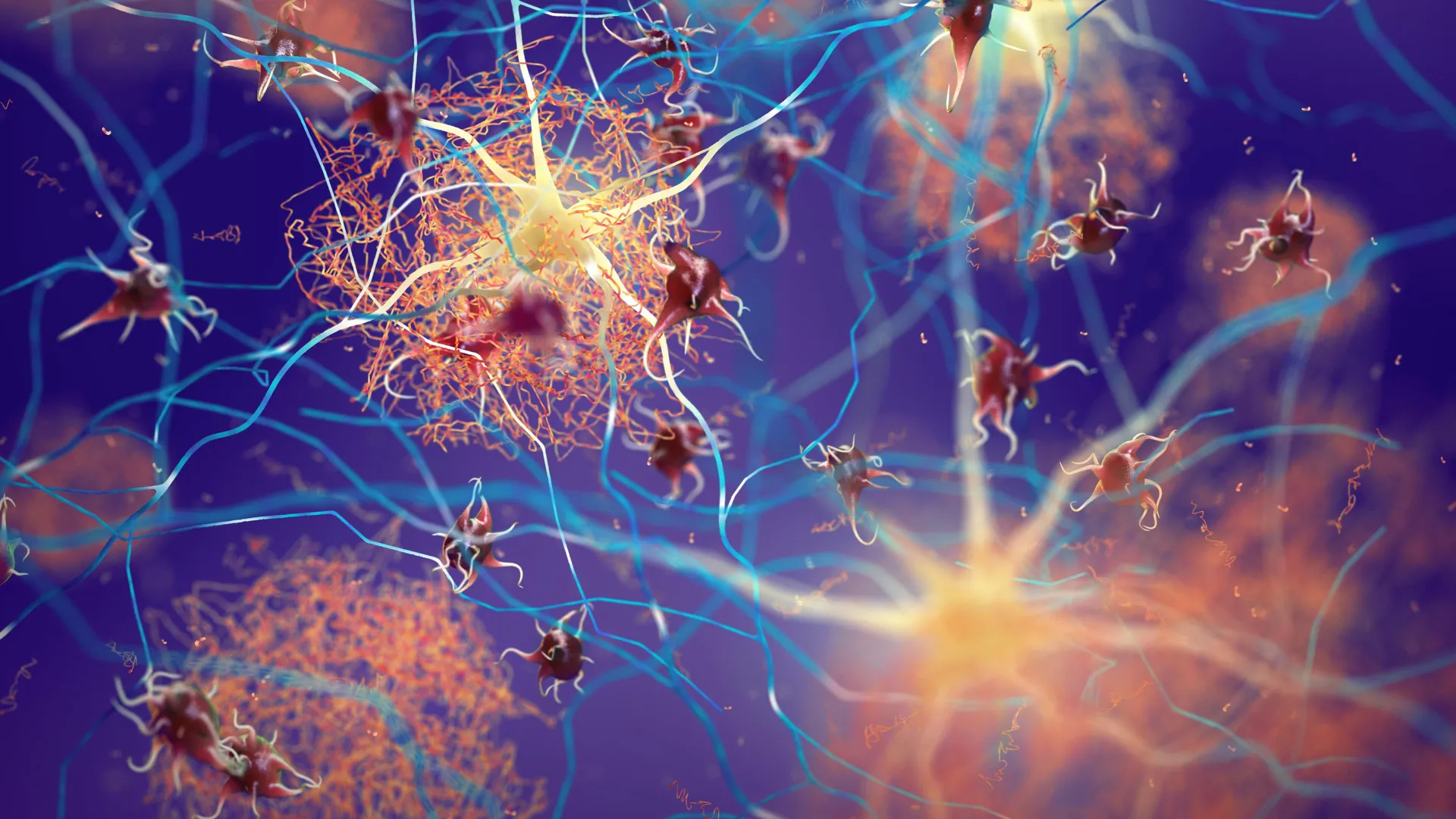
Scientists at Baylor College of Medicine may have uncovered a promising new way to combat Alzheimer’s and Parkinson’s disease. Instead of trying to st
Read Full Story at ScienceDaily →Why This Matters
The discovery suggests that stabilizing tau and alpha-synuclein proteins before they aggregate could fundamentally shift Alzheimer’s and Parkinson’s research from reactive to preventive. If validated in humans, this approach might not only slow disease progression but also unlock a universal strategy for treating multiple neurodegenerative disorders with shared pathological hallmarks.
Background Context
For decades, research into Alzheimer’s and Parkinson’s has focused on clearing toxic protein clumps after they form—a strategy that has yielded limited success in clinical trials. The new findings build on earlier observations that microtubules and their stabilizing proteins can regulate protein aggregation, but this study identifies tubulin’s role as a potential therapeutic target rather than just a structural component.
What Happens Next
Researchers will likely prioritize preclinical tests to optimize tubulin-targeting compounds before advancing to human trials, with attention to safety and bioavailability. Regulatory pathways may need rethinking, as current frameworks for neurodegenerative drugs often assume intervention after symptom onset—a timeline this approach could disrupt.
Bigger Picture
This aligns with a growing shift toward targeting cellular infrastructure in neurodegeneration, mirroring successes in other fields like cancer where stabilizing the cytoskeleton has proven effective. If successful, it could reinforce the idea that aging-related diseases may share underlying mechanisms, paving the way for unified therapeutic approaches across conditions like ALS and Lewy body dementia.







