🌍 World News
Live
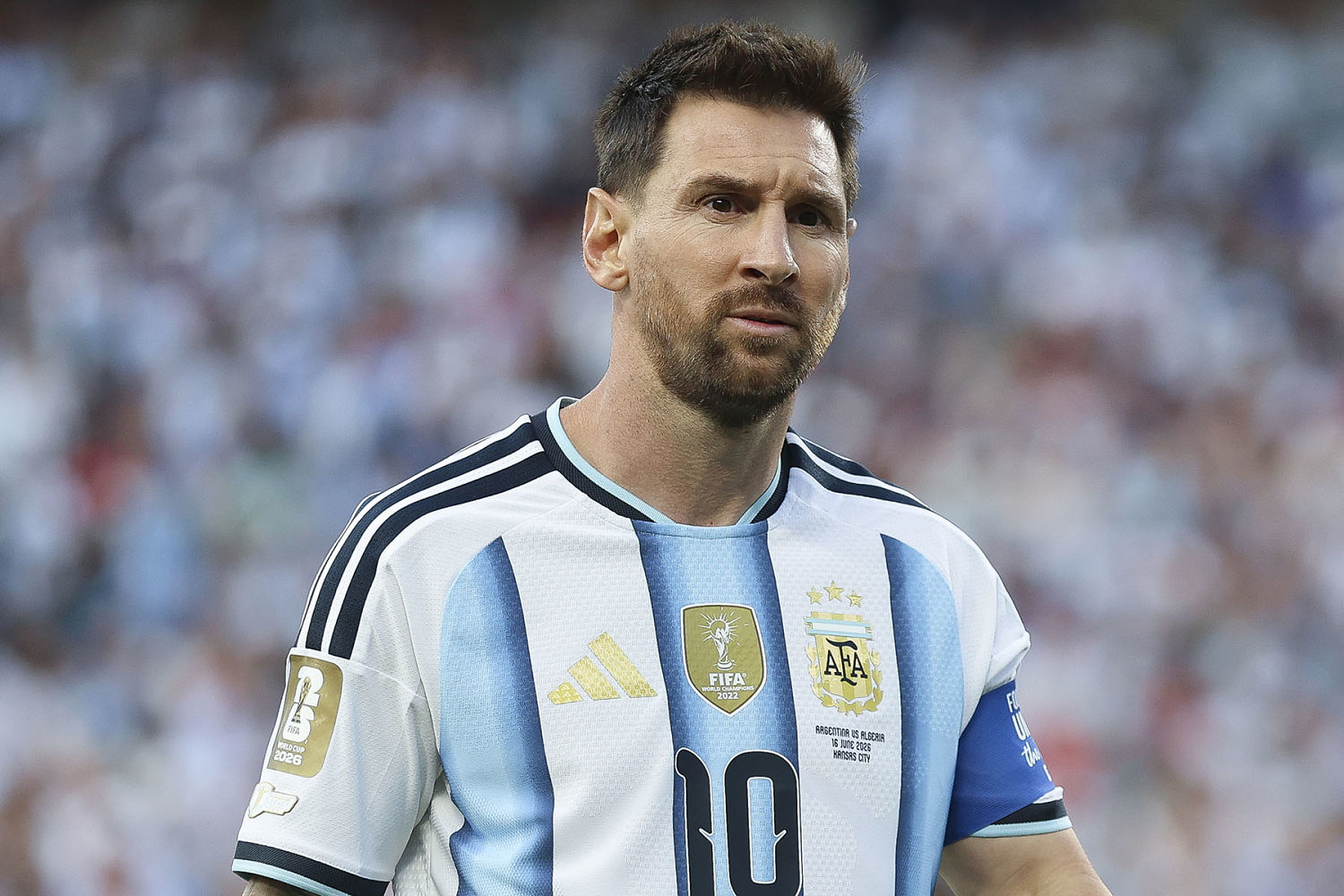
TV host in Argentina quits after falsely reporting that Lionel Messi’s dad died
A TV host in Argentina resigned from her role on a popular streaming show after falsely reporting that Lionel Messi’s father had died amid his son’s run in the World Cup, an error she later blamed on
NBC News — 19 June 2026
Text:
9
0
0
A TV host in Argentina resigned from her role on a popular streaming show after falsely reporting that Lionel Messi’s father had died amid his son’s r
Read Full Story at NBC News →
⚡ Quickyla Analysis
Original editorial context — not sourced from the article above
The resignation of the Argentine TV host following her false report on Lionel Messi’s father underscores the precarious balance between sensationalism and accountability in today’s media landscape. In an era where celebrity news travels at the speed of social media, misinformation—even when corrected swiftly—can inflict reputational damage that transcends the individuals involved. This incident carries broader significance not just for journalism ethics but for the way public figures and their families are subjected to scrutiny, often under the guise of entertainment. Messi, already a global icon with nearly every aspect of his life dissected by media, becomes an unwilling focal point for discussions about the consequences of misinformation in high-stakes news cycles.
The context here is critical. Argentina’s media culture is deeply intertwined with football fandom, where personalities like Messi are treated with reverence akin to national heroes. The timing of the false report, coinciding with the World Cup, amplifies its impact—emotions were already running high, and any news involving Messi’s family would be amplified by millions. Social media’s role in spreading unverified claims cannot be overstated; once a story gains traction, retractions often struggle to match the reach of the original falsehood. This incident also highlights the precarious position of on-air talent in an industry where ratings pressure may incentivize hasty reporting.
Looking ahead, the fallout raises questions about the accountability mechanisms in place for digital media personalities. Will this lead to stricter editorial oversight in streaming platforms, or will it be dismissed as an isolated mistake? There’s also the broader trend of “infotainment” blurring the lines between news and spectacle, where the urgency to break a story often outweighs the need for verification. For Messi’s family, the episode is a stark reminder of how quickly private grief can be commodified in the public sphere. As media consumption continues to fragment, incidents like this may force both producers and consumers to rethink what constitutes responsible reporting in a landscape where a single tweet can eclipse a retraction.
Sources

🌍 World News
Man fleeing police attacked by alligator before continuing his getaway, Louisiana authorities say
🌍 World News
US crude exports hit record high in May as Iran war tightens global oil supplies

🌍 World News
Agitators outside Delaney Hall set up organized logistics operation before Newark protests began

🌍 World News
French doctors sound alarm over drinking water pollution

🌍 World News
Iran, Kuwait, Bahrain hit: Is the war in the Gulf escalating again?

🌍 World News
Four people trapped in flooded cave in Laos pulled to safety

