💻 Technology
Live
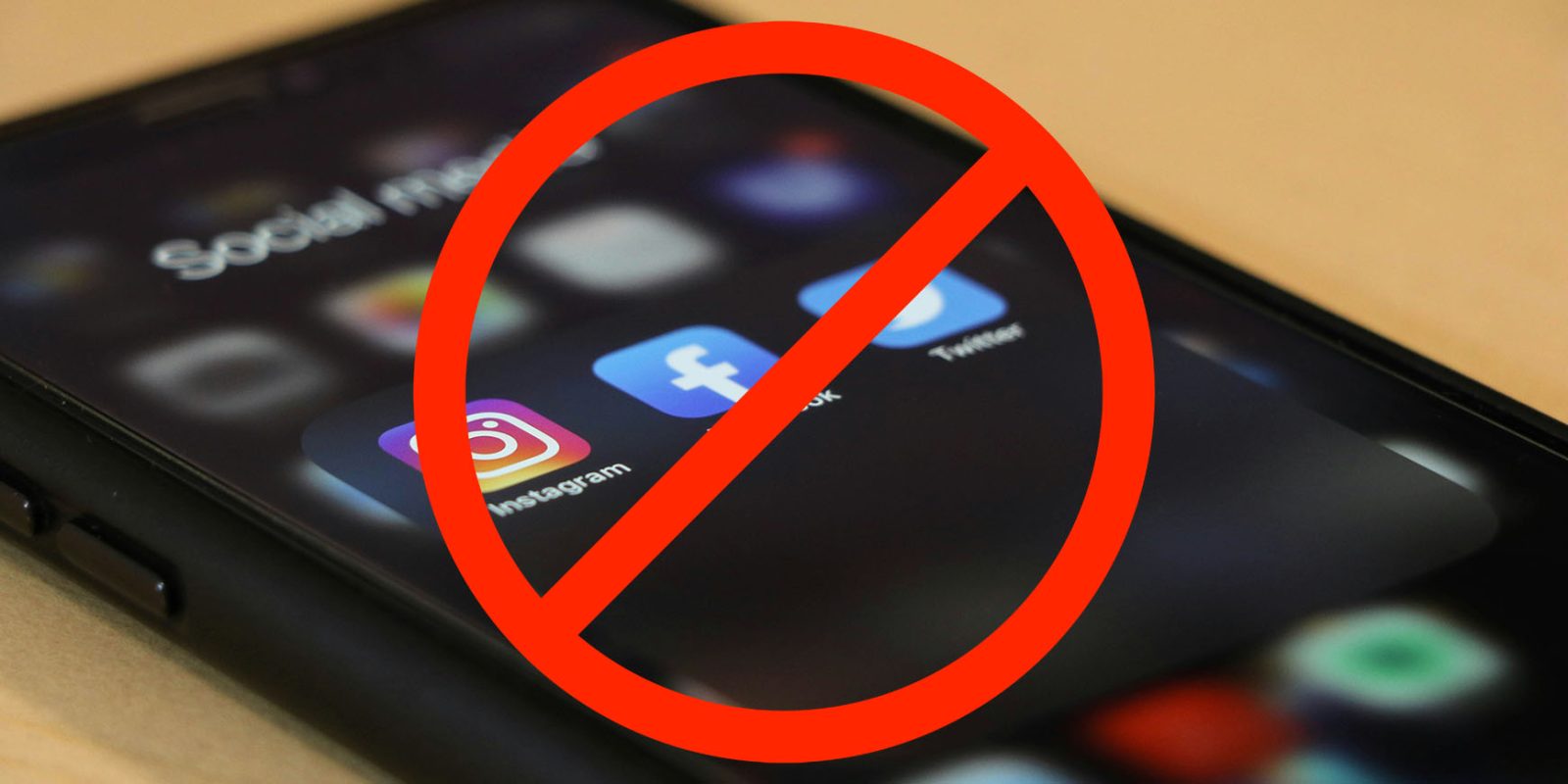
UK becomes the latest country to ban social media apps for kids
A growing number of countries around the world are enacting bans or restrictions on the use of social media apps by children. The UK has just announced its own plan to join the list, with a comprehen…
9to5Mac — 15 June 2026
Text:
21
0
0
A growing number of countries around the world are enacting bans or restrictions on the use of social media apps by children. The UK has just announc
Read Full Story at 9to5Mac →
⚡ Quickyla Analysis
Original editorial context — not sourced from the article above
The UK’s decision to restrict social media access for children reflects a global reckoning with the unintended consequences of digital connectivity. While the move aligns with growing concerns over mental health, privacy, and online safety, it also underscores a fundamental tension: how to balance innovation with protection in an era where social media has become an inescapable part of adolescent life. The UK joins a widening cohort of governments—including those in the U.S., EU, and parts of Asia—that have either banned platforms outright or imposed strict age-verification measures. But unlike piecemeal regulations, this approach signals a shift toward systemic intervention, raising questions about enforceability, unintended loopholes, and the role of parents versus the state in digital upbringing.
The timing is no coincidence. Studies linking social media use to rising rates of anxiety, depression, and cyberbullying among teens have intensified public pressure on policymakers. The UK’s plan, which ties access to age verification via government-issued IDs, mirrors tactics used in gambling and alcohol regulation—sectors where age restrictions are already well-established. Yet the digital landscape complicates this model. VPNs, fake accounts, and the sheer scale of platforms like TikTok and Instagram make enforcement a daunting task. Critics argue such bans could drive teens toward less-regulated alternatives, including encrypted messaging apps or foreign platforms, further fragmenting oversight.
Beyond enforcement, the policy confronts a deeper societal debate: should governments treat social media like a controlled substance, or is the answer better digital literacy education and parental guidance? The UK’s approach suggests the former, but it risks setting a precedent where other nations follow suit, potentially leading to a Balkanized internet where children in different countries face vastly different online experiences.
What remains unclear is whether these bans will achieve their stated goals or merely push risks underground. Will tech companies, now facing stricter scrutiny, adapt by designing safer platforms—or will they resist, forcing governments into prolonged legal battles? The answers will shape not just childhood in the digital age, but the very architecture of online freedom.
Sources

💻 Technology
You can now beat ChatGPT Codex rate limits, if you have friends

💻 Technology
Cash App made a magic wand for contactless payments

💻 Technology
Coders are refusing to work without AI — and that could come back to bite them

💻 Technology
Hackers hijacked Instagram accounts by tricking Meta AI support chatbot into granting access

💻 Technology
‘Backrooms’ $118M WW Bonanza; ‘Obsession’ Obsessed With $148M WW; ‘Michael’ Nearing $900M WW – Global Box Office Update

💻 Technology
Asus gives the ROX Xbox Ally the OLED screen it deserves

