🏛️ Politics
Live
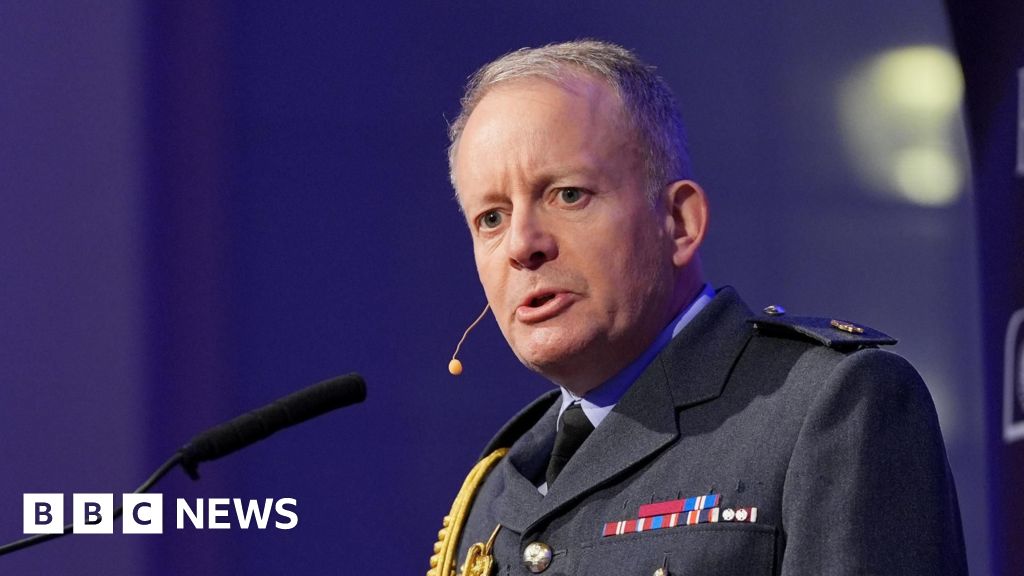
UK forces face operational cuts without more cash, defence chief warns
The UK's armed forces will have to "dial back" training and operations if they do not receive more cash than is currently being offered, the chief of the defence staff has warned. Air Chief Marshal …
BBC Politics — 16 June 2026
Text:
18
0
0
The UK's armed forces will have to "dial back" training and operations if they do not receive more cash than is currently being offered, the chief of
Read Full Story at BBC Politics →
⚡ Quickyla Analysis
Original editorial context — not sourced from the article above
The warning from the UK’s top military commander underscores a critical crossroads for Britain’s defence posture amid rising global instability. At stake is not just the operational readiness of the armed forces but the credibility of the UK as a reliable security partner at a time when threats—from state aggression in Eastern Europe to instability in the Middle East—demand sustained military engagement. The implicit trade-off here is stark: without additional funding, training exercises will be scaled back, deployments delayed, and operational capabilities diluted, even as allies in NATO and beyond look to Britain to share the burden of deterrence. The timing is particularly fraught, coming as the UK simultaneously pursues an ambitious expansion of its nuclear and conventional forces to counter Russian threats and meet its NATO commitments, all while grappling with economic pressures that limit fiscal flexibility.
This dilemma is not new but has deepened in recent years. Defence spending has long been a political football in the UK, oscillating between austerity-era cuts and post-Brexit promises of a “Global Britain” role. The current shortfall reflects broader fiscal constraints, but also a strategic ambiguity: is Britain prioritising near-term economic stability over long-term security investment? The defence chief’s warning suggests the gap between ambition and resource is now unsustainable. What remains unclear is whether this is a negotiating tactic ahead of the next budget cycle or a genuine alarm bell about the erosion of military credibility.
Looking ahead, the path forward hinges on political will. A failure to inject fresh funds could force the UK to choose between maintaining its nuclear deterrent, sustaining NATO commitments, or modernising its conventional forces—an unenviable trilemma. Meanwhile, allies may begin to question Britain’s reliability, particularly as France and Germany step up their own defence investments. The risk is a slow bleed of operational experience and deterrent capacity, one that could take years to reverse even if funding is restored. For a country that still sees itself as a Tier 1 military power, the stakes extend beyond budgets; they challenge the very premise of Britain’s post-war defence identity.
Sources

🏛️ Politics
Secretary of State Marco Rubio faces questions about Iran war on Capitol Hill

🏛️ Politics
"Fujimori never again!" Protesters fill streets of Lima ahead of Peru presidential elections

🏛️ Politics
US not 'turning back' on Asia allies, but expects them to boost defence, says Hegseth

🏛️ Politics
Trump: Reports US, Iran stopped speaking ‘false and erroneous’

🏛️ Politics
Pence: There’s ‘clearly” been an effort to ‘rewrite’ Jan. 6 history

🏛️ Politics
Washington, Silicon Valley brace for AI job losses

