U.K. forces intercept a Russian shadow fleet oil tanker in English Channel
British forces intercepted a Russian shadow fleet oil tanker on Sunday morning, its Ministry of Defence said, in the latest effort to disrupt Moscow’s sanctions-evasion network.
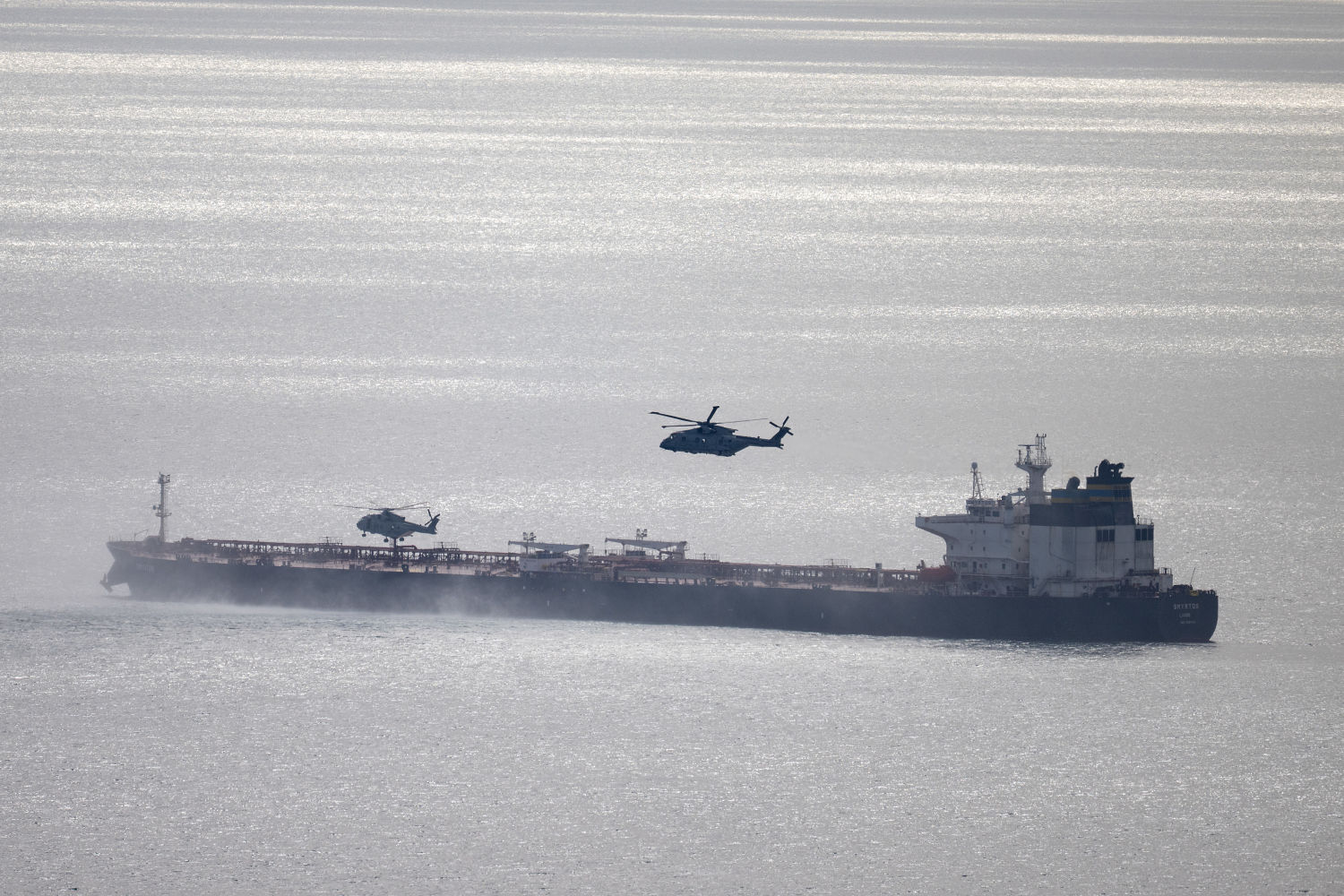
British forces intercepted a Russian shadow fleet oil tanker on Sunday morning, its Ministry of Defence said, in the latest effort to disrupt Moscow’s
Read Full Story at NBC News →Why This Matters
The interception underscores the growing sophistication of Western efforts to dismantle Russia’s sanctions-evasion networks, which have become a critical lifeline for Moscow’s war economy. It also signals that maritime interdiction is now a frontline tactic in enforcing economic pressure, forcing Russia to adapt its smuggling routes and tactics in real time. The move could embolden other NATO allies to escalate similar operations, potentially reshaping the balance of power in maritime enforcement.
Background Context
Russia’s 'shadow fleet'—a network of aging, often uninsured tankers—has surged in size since 2022, with estimates suggesting hundreds of vessels now operating outside Western regulatory oversight. These ships frequently switch off transponders or use falsified documentation to obscure their origins, making interdiction a legal and logistical challenge. The U.K.’s intervention follows similar actions by European authorities, but diplomatic friction persists as some nations prioritize economic ties with Moscow over sanctions compliance.
What Happens Next
The tanker’s detention will likely trigger legal battles over jurisdiction and the interpretation of sanctions loopholes, with Russia expected to protest through diplomatic channels. Observers will watch whether the U.K. pursues criminal charges or asset seizures, which could set a precedent for future operations. Meanwhile, Moscow may accelerate the development of alternative smuggling corridors, testing the resilience of Western enforcement mechanisms.
Bigger Picture
This incident fits a broader pattern of maritime enforcement becoming a key battleground in economic warfare, mirroring historical naval blockades but with modern cyber and legal tools. The shadow fleet’s expansion also reflects a broader shift in global trade dynamics, where sanctions-resistant actors are exploiting gaps in international oversight. If left unchecked, such networks could undermine the credibility of sanctions regimes, emboldening other states to evade economic restrictions with impunity.





