💻 Technology
Live
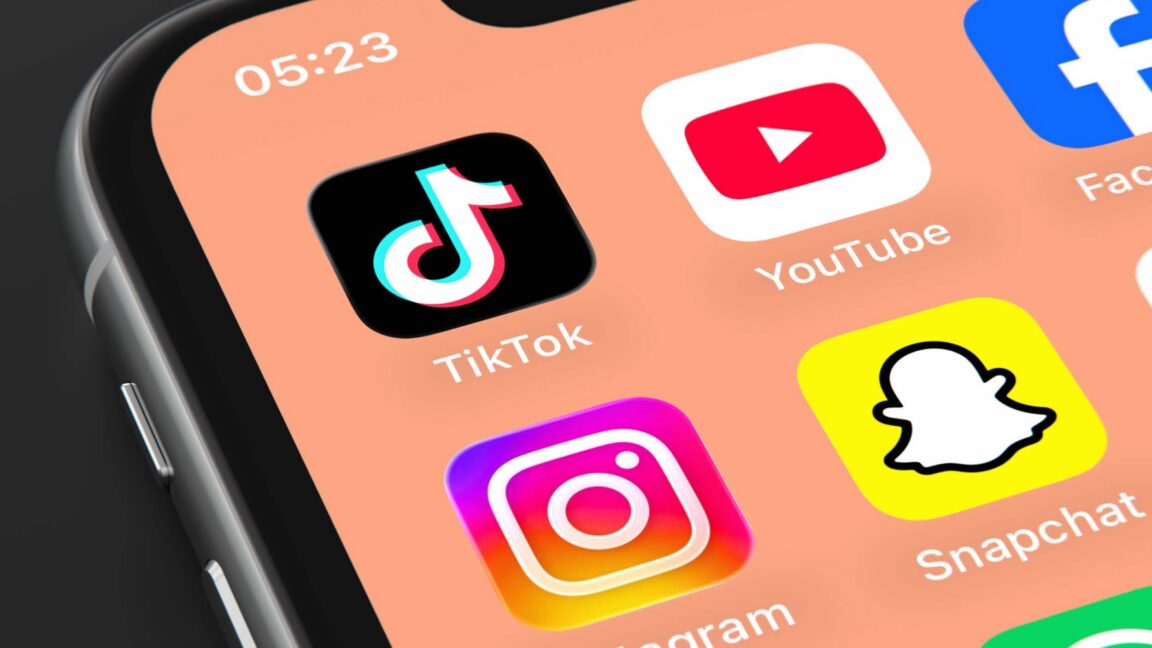
UK to ban social media for kids under 16, may impose overnight curfews
Critics say bans push kids to riskier alternatives and can be beaten with VPNs.
Ars Technica — 15 June 2026
Text:
25
0
0
Critics say bans push kids to riskier alternatives and can be beaten with VPNs. This report comes from Ars Technica. The story centres on UK to ban s
Read Full Story at Ars Technica →
⚡ Quickyla Analysis
Original editorial context — not sourced from the article above
The UK government’s proposal to ban social media for children under 16—and potentially impose overnight curfews on device use—marks a bold, if contentious, pivot in digital policy. While framed as a protective measure against harms like cyberbullying, mental health decline, and exposure to harmful content, the move raises fundamental questions about the role of government in regulating personal technology, especially when alternatives like virtual private networks (VPNs) could render such bans easily circumvented. The significance of this policy lies not just in its immediate impact on young users but in its potential to set a precedent for how democratic societies balance child welfare with digital freedom.
Critics argue that outright bans risk driving younger users toward less regulated platforms where oversight is weaker, or toward more extreme measures to bypass restrictions. This is not the first time governments have attempted to limit minors’ online access—France has explored similar curfew-style restrictions, and the EU’s Digital Services Act has pushed platforms to age-gate content—but the UK’s approach is unusually prescriptive. The broader context includes rising concerns about social media’s effects on adolescent development, with studies linking heavy use to increased anxiety and sleep disruption. Yet the debate also reflects a deeper tension: whether digital spaces should be treated like physical ones, subject to age-based restrictions, or remain relatively ungoverned by default.
What happens next could hinge on enforcement. If the government relies on age verification systems—already controversial for privacy reasons—will they be robust enough to deter determined teens? Or will the policy instead accelerate the shift toward encrypted messaging apps and decentralized platforms where oversight is nearly impossible? Another open question is whether other nations will follow suit, potentially fragmenting digital spaces into age-segregated zones.
This policy also intersects with broader trends, including the growing regulatory scrutiny of Big Tech and the rise of "digital welfare" policies that treat screen time as a public health issue. Yet it risks oversimplifying a complex problem: social media is not inherently harmful, and outright bans may ignore the role of parents, schools, and platform design in shaping safer online experiences. The challenge ahead will be whether regulation can evolve as quickly as the technology it seeks to control.
Sources

💻 Technology
You can now beat ChatGPT Codex rate limits, if you have friends

💻 Technology
Cash App made a magic wand for contactless payments

💻 Technology
Coders are refusing to work without AI — and that could come back to bite them

💻 Technology
Hackers hijacked Instagram accounts by tricking Meta AI support chatbot into granting access

💻 Technology
‘Backrooms’ $118M WW Bonanza; ‘Obsession’ Obsessed With $148M WW; ‘Michael’ Nearing $900M WW – Global Box Office Update

💻 Technology
Asus gives the ROX Xbox Ally the OLED screen it deserves

