💻 Technology
Live
Under-16s will be banned from social media from early 2027
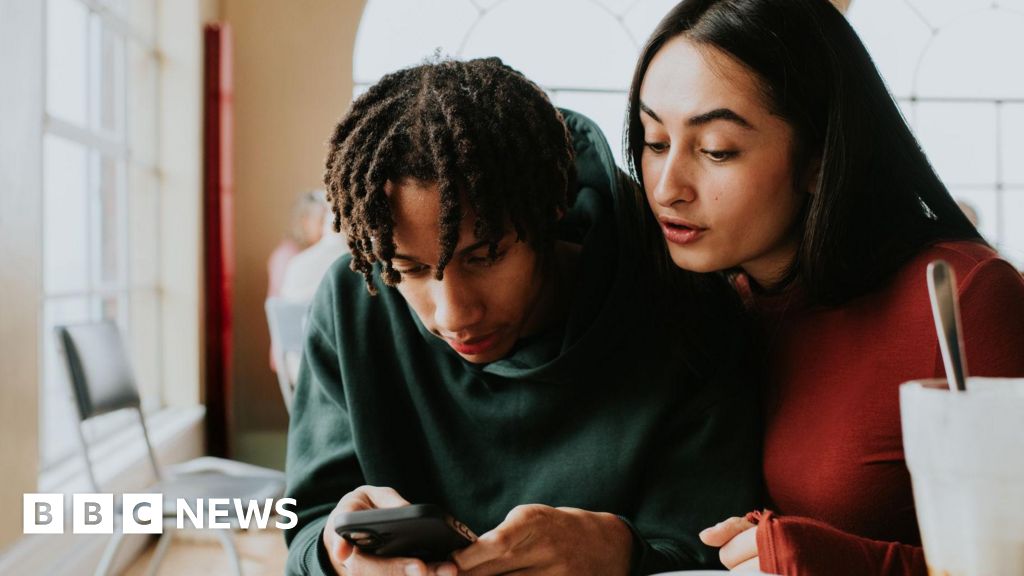
Millions of children in the UK will be forced off social media after the government announced it would ban under-16s from accessing a range of platforms. Apps including TikTok, Snapchat and Instagra…
BBC Technology — 15 June 2026
Text:
27
0
0
Millions of children in the UK will be forced off social media after the government announced it would ban under-16s from accessing a range of platfor
Read Full Story at BBC Technology →
⚡ Quickyla Analysis
Original editorial context — not sourced from the article above
The UK government’s decision to ban under-16s from major social media platforms by early 2027 marks a seismic shift in digital policy, one that will reverberate far beyond the country’s borders. At its core, this move reflects growing global unease about the psychological and developmental toll of unregulated social media on young users. Studies have linked prolonged exposure to platforms like TikTok and Instagram with rising rates of anxiety, depression, and attention disorders among adolescents, yet the UK is the first major Western democracy to take such a sweeping regulatory step. The ban also signals a hardening stance toward Big Tech’s resistance to self-regulation, forcing companies to either redesign their algorithms or accept a shrinking youth demographic. For parents, educators, and policymakers, the policy raises immediate questions about enforcement—how will platforms verify ages without creating a surveillance state? What about younger teens who already rely on these apps for social connection or creative expression?
This isn’t an isolated policy, but part of a broader trend. The EU’s Digital Services Act already imposes stricter age-verification and content-moderation rules, while U.S. states like California and Arkansas have experimented with age limits and parental consent mandates. Yet the UK’s outright ban goes further, treating social media as a public health issue akin to tobacco or alcohol. Critics argue it could isolate young people from digital literacy opportunities or push them toward unregulated alternatives where risks may be even greater. The tech industry, meanwhile, warns of unintended consequences, from stifling innovation to deepening the digital divide between those with and without access to VPNs or adult accounts.
What happens next will depend largely on how platforms respond. Will they lobby for exemptions or design age-gated versions of their services? Could this accelerate a fragmentation of the internet, where users in different countries face wildly varying levels of digital freedom? And crucially, will other nations follow suit, or will they wait to see how this experiment unfolds? One thing is certain: the era of unchecked social media access for children is ending, and the debate over where to draw the line between protection and censorship has only just begun.
Sources

💻 Technology
You can now beat ChatGPT Codex rate limits, if you have friends

💻 Technology
Meta is reportedly developing an AI pendant

💻 Technology
Cash App made a magic wand for contactless payments

💻 Technology
Coders are refusing to work without AI — and that could come back to bite them

💻 Technology
Hackers hijacked Instagram accounts by tricking Meta AI support chatbot into granting access

💻 Technology
‘Backrooms’ $118M WW Bonanza; ‘Obsession’ Obsessed With $148M WW; ‘Michael’ Nearing $900M WW – Global Box Office Update

