🌍 World News
Live
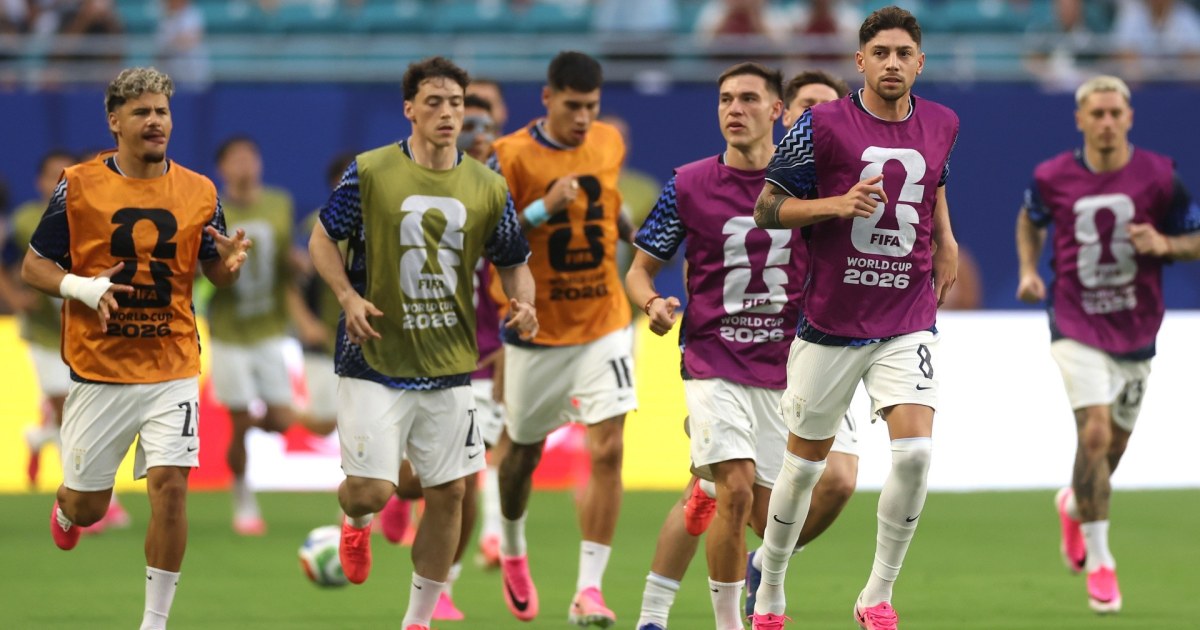
Uruguay salta a la cancha y recibe el cariño de su gente en Miami
Con Valverde y Núñez al frente, Uruguay salió al césped del Hard Rock Stadium para reconocer la cancha y saludar a la afición antes de su debut mundialista ante Arabia Saudita. La Celeste realizó sus…
NBC News — 15 June 2026
Text:
19
0
0
Con Valverde y Núñez al frente, Uruguay salió al césped del Hard Rock Stadium para reconocer la cancha y saludar a la afición antes de su debut mundia
Read Full Story at NBC News →
⚡ Quickyla Analysis
Original editorial context — not sourced from the article above
The sight of Uruguay’s national team stepping onto the field at Miami’s Hard Rock Stadium, greeted by a packed house waving flags and chanting their names, is more than just a warm-up ritual before a World Cup match. It’s a reminder of how football—especially for diaspora-heavy nations—transcends borders, turning away games into cultural celebrations. For Uruguay, a country of just 3.5 million people, the emotional outpouring in Miami underscores the disproportionate global footprint of its football culture. The national team isn’t just a sporting entity; it’s a unifying force for Uruguayans abroad, a living emblem of identity in a world where emigration has reshaped the nation’s demographics. The reception in Miami, a hub of Uruguayan migration, reflects how deeply football binds these communities to their homeland, even across generations.
This moment also arrives at a pivotal juncture for Uruguayan football. With a squad now led by veterans like Valverde and Núñez but still searching for its next generational leap, the team’s ability to connect with its diaspora could be as crucial as its tactical preparation. The World Cup has often been a stage where smaller nations punch above their weight, but Uruguay’s path in recent tournaments has been inconsistent. The emotional lift from abroad might not directly translate to results on the pitch, but it reinforces the intangible factor of morale—a psychological edge that has historically defined *La Celeste*.
Looking ahead, the broader question is whether this wave of support can sustain Uruguay through what promises to be a grueling group stage. Will the Miami crowd’s energy translate into a confident start against Saudi Arabia? Beyond the immediate match, the episode raises a larger trend: the increasing reliance of national teams on diaspora communities for financial, moral, and even logistical support. As football’s commercial reach expands, nations like Uruguay must navigate the balance between leveraging this global fanbase and maintaining the authenticity that makes their support so potent. For now, the image of thousands of Uruguayans in Miami, singing as one, is a testament to football’s power to keep the homeland alive—wherever the players may be.
Sources

🌍 World News
Man fleeing police attacked by alligator before continuing his getaway, Louisiana authorities say
🌍 World News
US crude exports hit record high in May as Iran war tightens global oil supplies

🌍 World News
Agitators outside Delaney Hall set up organized logistics operation before Newark protests began

🌍 World News
French doctors sound alarm over drinking water pollution

🌍 World News
Iran, Kuwait, Bahrain hit: Is the war in the Gulf escalating again?

🌍 World News
Four people trapped in flooded cave in Laos pulled to safety

