US birthright citizenship ruling eases fears among Indians
The US Supreme Court's recent decision to leave birthright citizenship intact offers relief to thousands of Indian families, even as the political battle over who deserves to be American is far from o
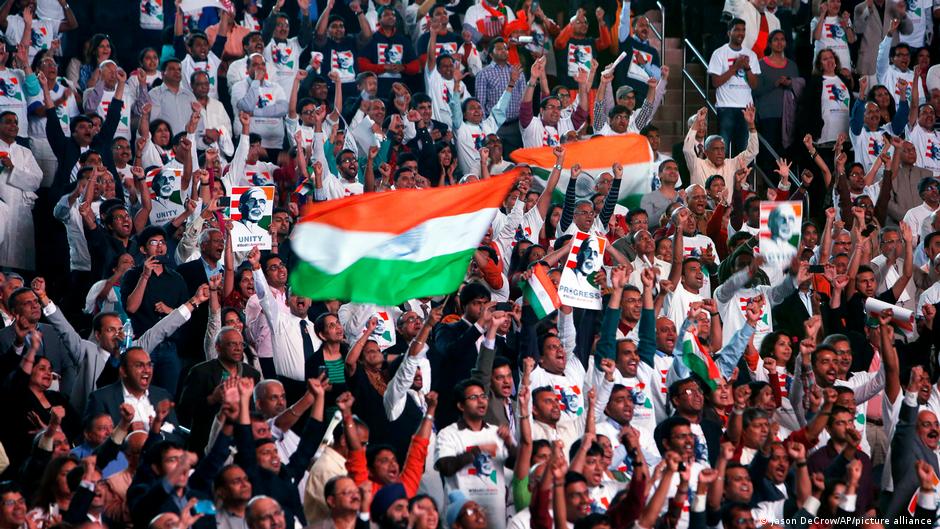
The US Supreme Court's recent decision to leave birthright citizenship intact offers relief to thousands of Indian families, even as the political bat
Read Full Story at DW World →Why This Matters
The Supreme Court’s decision to preserve birthright citizenship underscores a rare moment of constitutional clarity in an era of rising immigration debates. For Indian families—many of whom rely on this legal foundation to secure their children’s futures—this ruling removes a layer of uncertainty while leaving deeper questions about immigration reform unresolved. It also signals the judiciary’s role as a stabilizing force against politically driven attempts to redefine who qualifies for American citizenship.
Background Context
Birthright citizenship, enshrined in the 14th Amendment, has faced intermittent challenges in conservative legal circles, with some arguing it encourages “birth tourism” or undermines national identity. Indian immigrants, particularly in high-skilled sectors, have increasingly relied on this provision to ensure their children’s eligibility for education and employment without navigating restrictive visa regimes. The political divide over immigration has often overshadowed the legal consensus, making this ruling a notable exception.
What Happens Next
The decision temporarily halts further litigation on the issue, but it does not address underlying pressures to reform immigration laws. Advocacy groups may push for legislative changes to streamline pathways for Indian professionals and families, while opponents could revive debates over birthright citizenship in future Supreme Court cases. Watch for state-level policies that indirectly test the limits of the 14th Amendment, particularly in states with large immigrant populations.
Bigger Picture
This ruling reflects a broader trend of courts serving as arbiters in contentious social issues when legislative gridlock persists. As immigration remains a polarizing topic, expect more legal battles to focus on the practical application of citizenship laws rather than their constitutional foundations. For Indian immigrants, the decision offers short-term relief but highlights the need for systemic reforms to address the long-term realities of global talent mobility.