US Catholic bishops to vote on updating child sexual abuse guidelines
(RNS) — The potential revisions include new language that emphasizes ‘the presumption of innocence’ for accused priests.
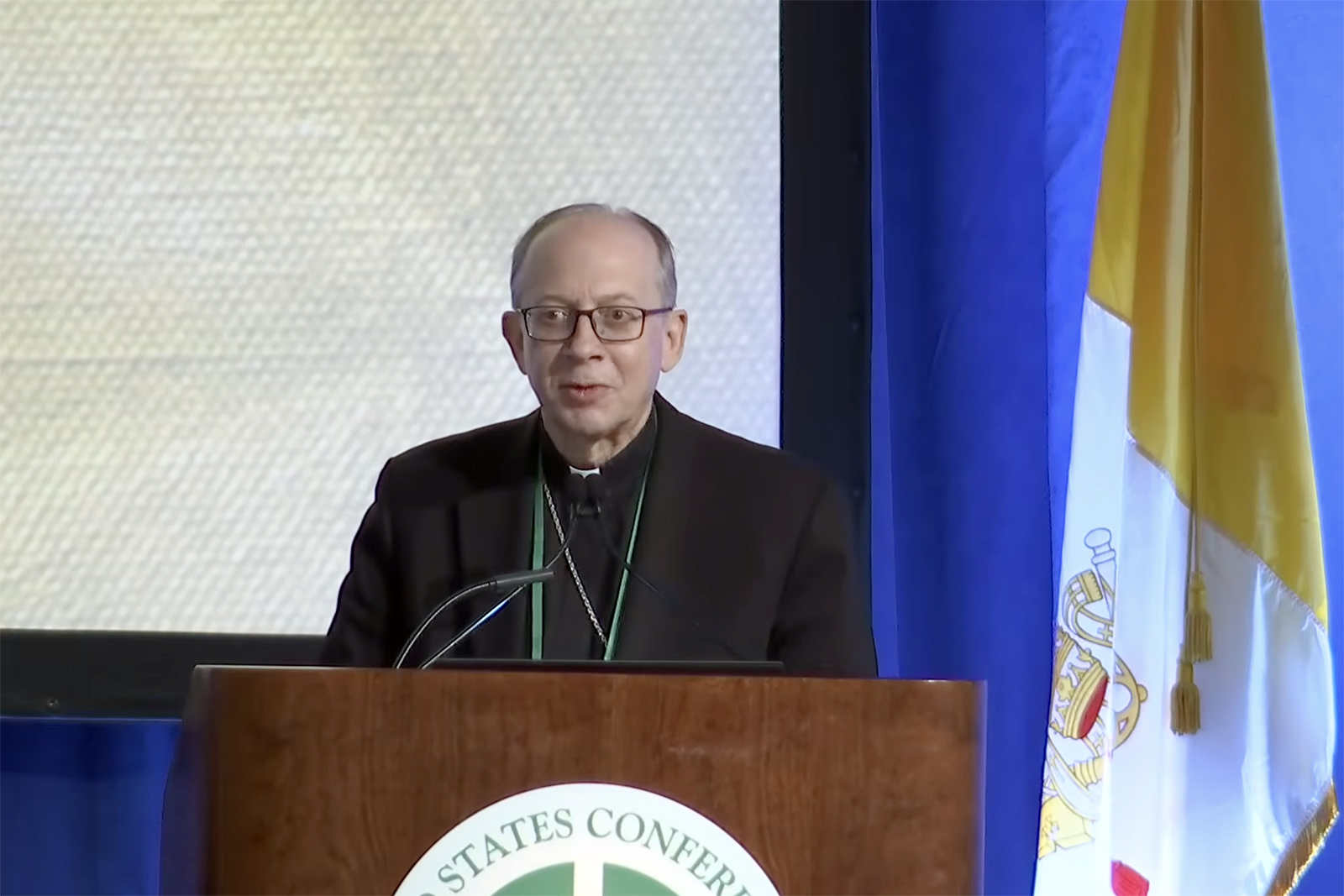
(RNS) — The potential revisions include new language that emphasizes ‘the presumption of innocence’ for accused priests. This report comes from Relig
Read Full Story at Religion News Service →Why This Matters
The U.S. Conference of Catholic Bishops’ vote on updating child sexual abuse guidelines isn’t just procedural—it’s a litmus test for how seriously the Church is grappling with its institutional failures. The shift toward emphasizing "the presumption of innocence" for accused priests risks overshadowing the lived experiences of survivors, who have long argued that the Church’s processes have favored systemic protection over accountability.
Background Context
The Catholic Church’s abuse crisis has unfolded over decades, with the 2002 Dallas Charter marking a rare moment of accountability. Yet even that framework has faced criticism for its opaque handling of cases, including the 2018 McCarrick scandal, where accountability arrived years too late. The current revisions come amid renewed scrutiny of how institutions prioritize institutional reputation over transparency—a dynamic that extends far beyond the Church.
What Happens Next
If the bishops adopt language that elevates the presumption of innocence without parallel safeguards for victims, it could signal a retreat from the modest reforms of the past two decades. The vote will also test whether diocesan leaders, many of whom face legal and financial pressure to appear proactive, will prioritize procedural fairness over the appearance of it. Watch for whether the language evolves to balance due process with the need for unobstructed survivor testimonies.
Bigger Picture
This moment reflects a broader reckoning in institutional accountability, where the impulse to protect often clashes with the demand for justice. From corporate scandals to government misconduct, institutions increasingly frame reforms in terms of legal protections rather than structural change. The Church’s dilemma—how to reconcile institutional survival with moral credibility—mirrors the tensions facing other legacy systems scrambling to adapt to a post-scandal era.