U.S. House tax committee weighs crypto bills, including relief for small transactions
U.S. House tax committee weighs crypto bills, including relief for small transactions
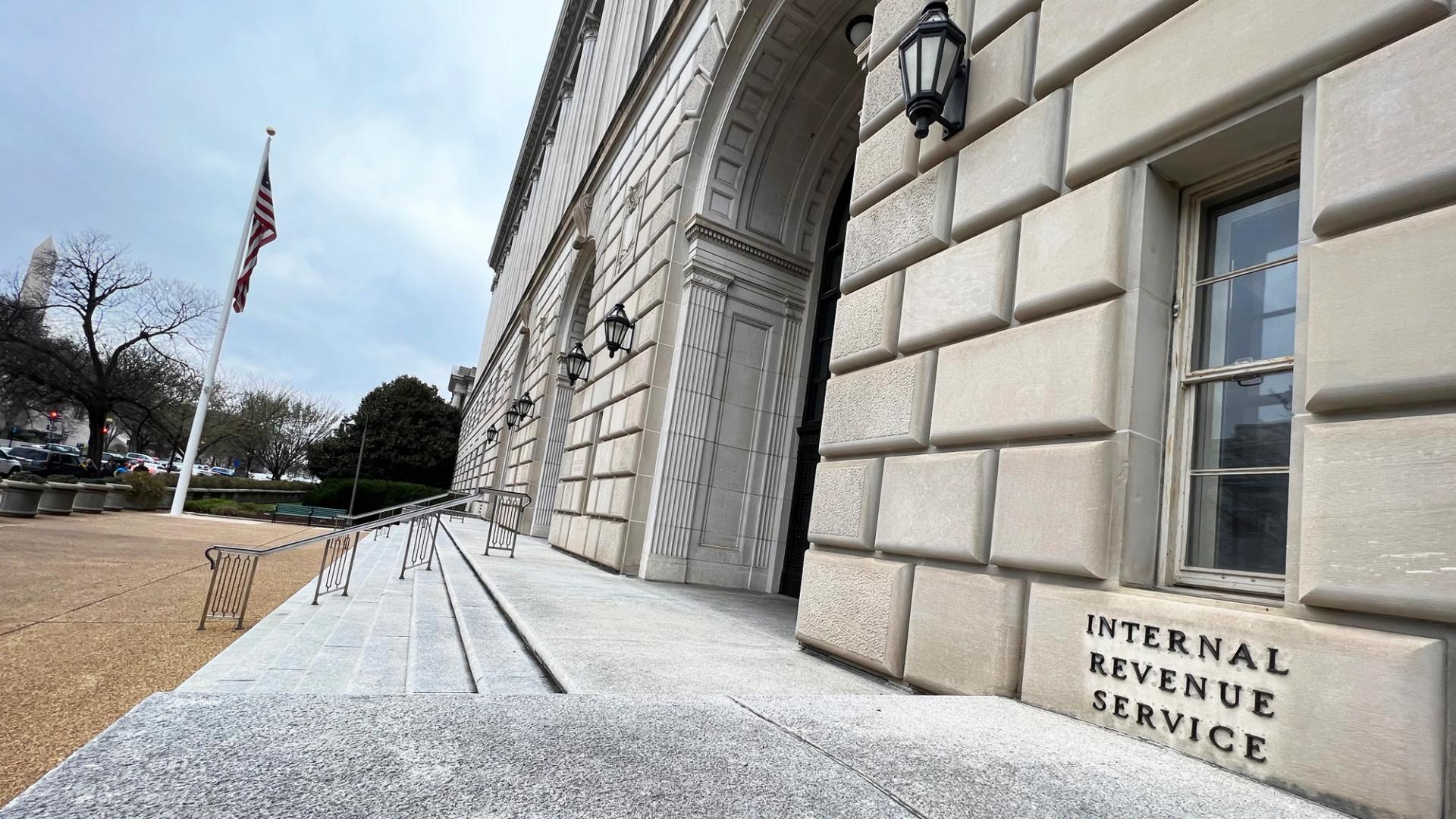
This report comes from CoinDesk. The story centres on U.S. House tax committee weighs crypto bills, including relief for small transactions. Full cove
Read Full Story at CoinDesk →Why This Matters
The U.S. House tax committee’s consideration of crypto legislation signals a pivotal moment in bridging regulatory clarity with the growing mainstream adoption of digital assets. As lawmakers grapple with how to tax small transactions—a common pain point for retail investors and businesses—the outcome could reshape how cryptocurrencies are treated under U.S. tax law, potentially accelerating institutional and consumer confidence in the space.
Background Context
Cryptocurrency taxation has long operated in a legal gray area, with the IRS issuing guidance in 2014 that classified crypto as property rather than currency, triggering capital gains reporting requirements even for routine transactions. The current debate follows years of industry complaints about the administrative burden of tracking and reporting every small purchase or sale, which critics argue stifles innovation and deters ordinary users from engaging with digital assets.
What Happens Next
If the committee advances bills offering relief for small transactions, the next hurdle would be securing broader legislative support in a polarized Congress, where crypto regulation remains contentious. Stakeholders will closely watch whether the proposals include streamlined reporting thresholds or de minimis exemptions, as these details could determine whether the reforms meaningfully ease compliance for everyday users or remain largely symbolic.
Bigger Picture
This push reflects a broader global trend toward cryptocurrency tax normalization, with jurisdictions like Portugal and Germany already experimenting with favorable regimes to attract crypto businesses. Should the U.S. adopt clearer rules, it could set a precedent for other nations while either bolstering America’s position as a crypto-friendly financial hub or risking a patchwork of inconsistent state-level policies that create new compliance challenges.




