🌍 World News
Live
US-Iran deal: Between conflict and compromise
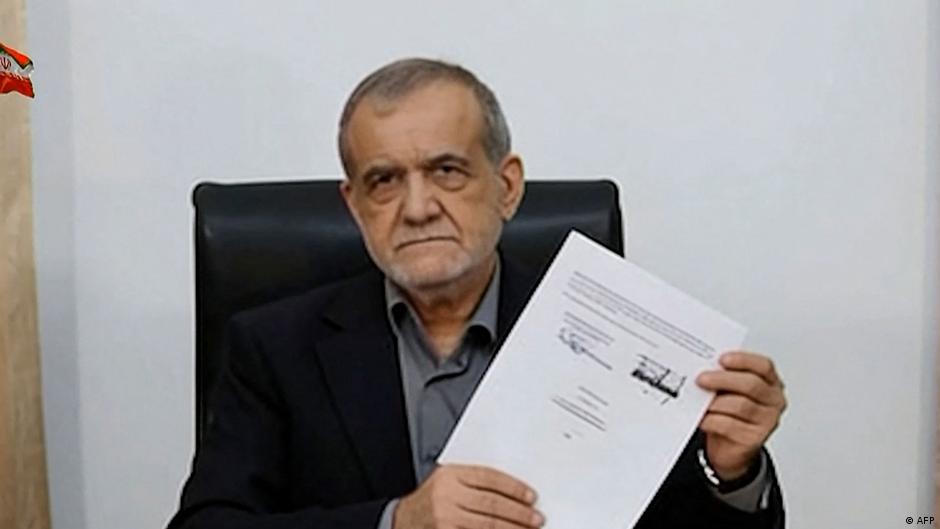
On Wednesday evening, the US and Iran signed the so-called "Islamabad Memorandum of Understanding," extending a ceasefire and kicking off a 60-day phase of technical talks during which the key points…
DW World — 18 June 2026
Text:
22
0
0
On Wednesday evening, the US and Iran signed the so-called "Islamabad Memorandum of Understanding," extending a ceasefire and kicking off a 60-day pha
Read Full Story at DW World →
⚡ Quickyla Analysis
Original editorial context — not sourced from the article above
The US-Iran "Islamabad Memorandum of Understanding" marks a tentative but significant shift in one of the world’s most volatile bilateral relationships, offering a rare glimpse of diplomatic possibility amid decades of hostility. Beyond the immediate ceasefire extension, the agreement signals a mutual willingness—however fragile—to de-escalate tensions that have simmered for years through proxy conflicts, sanctions, and covert operations. For policymakers and regional observers, this deal is less about resolving deep-seated grievances than it is about testing whether communication channels can survive the next inevitable crisis. The fact that both sides agreed to 60 days of technical talks underscores a shared, if cautious, interest in avoiding another spiral of confrontation, particularly as global attention remains fixated on other geopolitical flashpoints like Ukraine and Gaza.
The backdrop to this accord is a history of broken promises and miscalculations. The 2015 nuclear deal, abandoned by the Trump administration in 2018, demonstrated how fragile even hard-won agreements can be when domestic politics in either country shift abruptly. Iran’s nuclear advances since then—accelerated by the lapse in oversight—have narrowed the window for diplomacy, while US sanctions have kept economic pressure on Tehran without achieving their stated goals. Meanwhile, proxy conflicts in Yemen, Syria, and Iraq have kept the two nations locked in a shadow war, where proxies often act with near-total impunity. Against this fraught landscape, the Islamabad framework is notable less for its content than for its existence: a tacit acknowledgment that neither side benefits from perpetual brinkmanship.
What comes next remains uncertain. Will the technical talks produce even modest deliverables, such as prisoner exchanges or limited sanctions relief? Or will hardliners in Tehran or Washington sabotage the process before substantive progress can be made? The broader question is whether this is a tactical pause or the beginning of a more durable détente. For now, the agreement’s survival may hinge on whether both sides can resist the temptation to use the interim period for strategic gains elsewhere. If it holds, it could set a precedent for how Washington and Tehran navigate their rivalry without descending into direct conflict—a model that might even influence other adversarial relationships in an era where diplomacy often takes a backseat to confrontation. But given the history of mistrust, skepticism remains warranted.
Sources

🌍 World News
Man fleeing police attacked by alligator before continuing his getaway, Louisiana authorities say
🌍 World News
US crude exports hit record high in May as Iran war tightens global oil supplies

🌍 World News
Agitators outside Delaney Hall set up organized logistics operation before Newark protests began

🌍 World News
French doctors sound alarm over drinking water pollution

🌍 World News
Iran, Kuwait, Bahrain hit: Is the war in the Gulf escalating again?

🌍 World News
Four people trapped in flooded cave in Laos pulled to safety

