US-Iran deal scheduled to be signed on Sunday, says Trump
A deal to end fighting between the US and Iran is "scheduled to get signed" on Sunday, US President Donald Trump has said - but Iran has cast doubt on the timing. In a post on social media, Trump al…
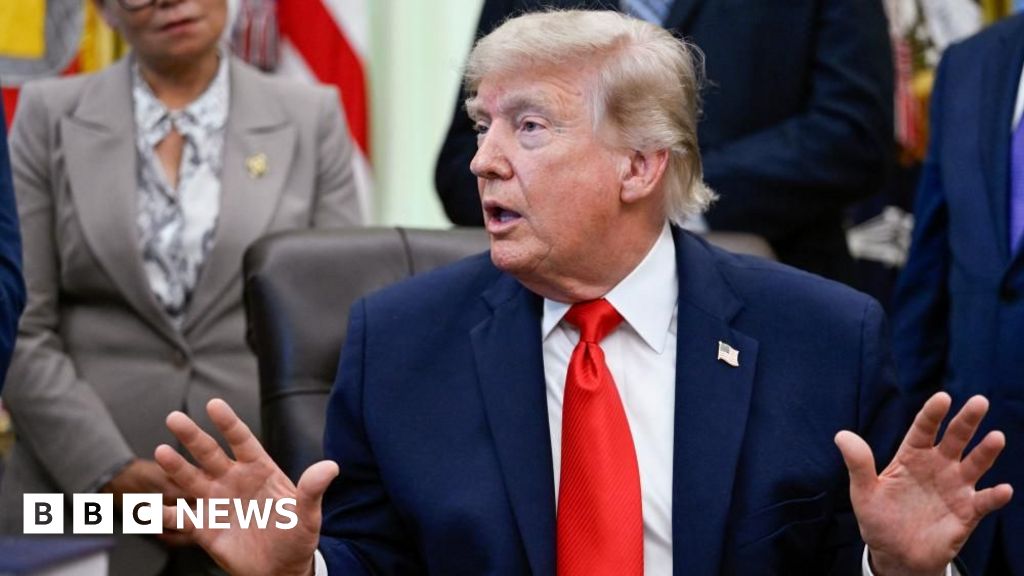
A deal to end fighting between the US and Iran is "scheduled to get signed" on Sunday, US President Donald Trump has said - but Iran has cast doubt on
Read Full Story at BBC World News →Why This Matters
The potential US-Iran deal represents a rare moment of diplomatic détente in a relationship defined by decades of hostility, with implications that extend far beyond the two nations. A signed agreement could signal a shift in Middle Eastern geopolitics, altering alliances, energy markets, and the calculus of regional conflicts from Yemen to Syria. For Trump, it would be a foreign policy victory ahead of an election, while for Iran, it may offer sanctions relief crucial to its struggling economy.
Background Context
The US and Iran have been locked in a cycle of escalation and de-escalation since the 1979 Islamic Revolution, punctuated by crises like the 1980s "Tanker War," the 2015 nuclear deal (later abandoned by Trump), and the 2020 Soleimani assassination. Recent indirect talks have focused on curbing Iran’s nuclear program and reducing regional proxy conflicts, but mistrust runs deep—especially after Trump’s "maximum pressure" campaign and Iran’s retaliatory actions, including attacks on oil tankers and Saudi oil facilities.
What Happens Next
If signed, the deal’s immediate test will be enforcement—both sides have incentives to claim compliance while exploiting loopholes. Iran’s skepticism about the timing suggests internal divisions over whether to engage Washington, while regional allies like Israel and Saudi Arabia may push back against perceived concessions. The deal’s longevity could hinge on whether it addresses Iran’s ballistic missile program and proxy activities, areas where past agreements fell short.
Bigger Picture
This potential accord reflects a broader trend of pragmatic shifts in Middle Eastern conflicts, where even bitter rivals are exploring limited cooperation to address shared threats like economic instability and extremism. Yet the deal’s fate will also test whether temporary truces can outlast election cycles and domestic political pressures, particularly in Washington and Tehran, where hardliners remain skeptical of compromise.






