U.S. launches retaliatory airstrikes after Iran attacks commercial ships
The U.S. launched retaliatory airstrikes on Iran after the Iranian regime violated the ceasefire and targeted commercial ships in the Strait of Hormuz. NBC News’ Garrett Haake reports.
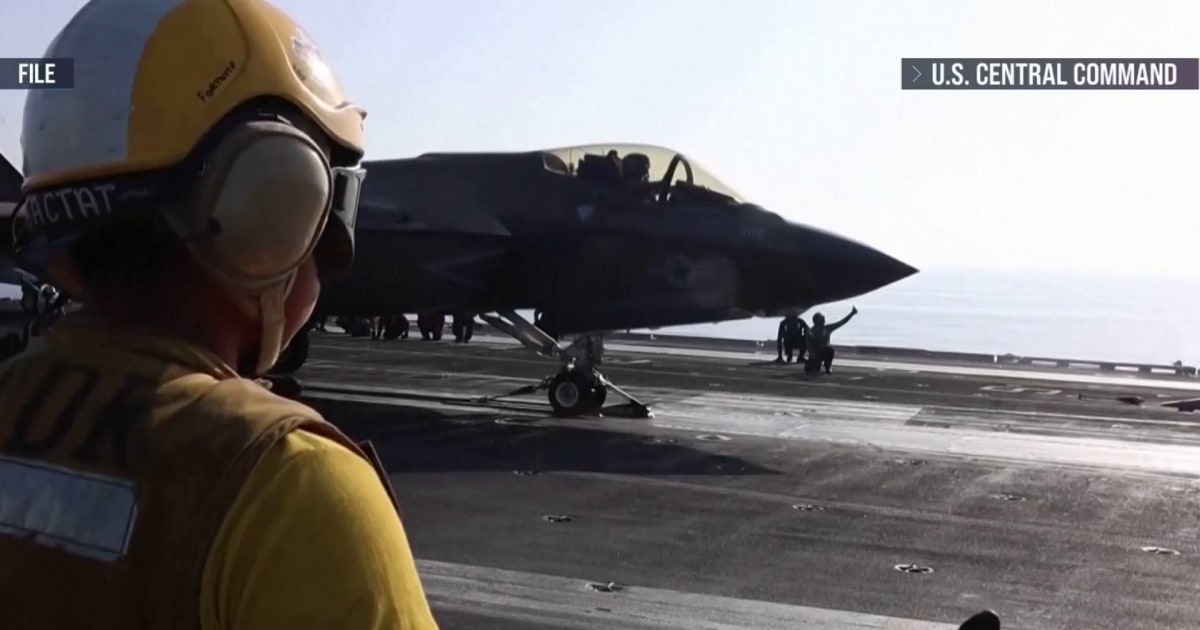
The U.S. launched retaliatory airstrikes on Iran after the Iranian regime violated the ceasefire and targeted commercial ships in the Strait of Hormuz
Read Full Story at NBC News →Why This Matters
The latest escalation in the Strait of Hormuz underscores how quickly maritime trade routes — critical arteries for global energy markets — can become flashpoints in proxy conflicts. With roughly 20% of the world’s oil passing through these waters, even limited strikes carry disproportionate geopolitical weight, risking a cycle of retaliation that could destabilize already fragile energy markets.
Background Context
The Strait of Hormuz has long been a powder keg, where Iran has periodically disrupted shipping to pressure Western powers over sanctions or regional politics. Past incidents, including the 2019 attacks on tankers and the 2021 drone seizure of a South Korean vessel, highlight Tehran’s willingness to weaponize maritime chokepoints when diplomacy stalls.
What Happens Next
Expect Iran to respond with calibrated but escalatory measures, potentially targeting Israeli-linked vessels or expanding drone and missile deployments in the region. The U.S. may face pressure to further militarize the strait, while European allies could push for de-escalation to avoid a broader conflict that disrupts global supply chains.
Bigger Picture
This incident fits a broader pattern of Iran’s hybrid warfare tactics, blending deniable attacks with diplomatic maneuvers to test Western resolve. As regional actors like Saudi Arabia and the UAE recalibrate their security strategies, the U.S. must balance deterrence with the risk of drawing Iran into a direct confrontation that neither side appears eager to escalate.