U.S. pilots rescued after helicopter goes down near Strait of Hormuz
A two-person U.S. military crew was rescued after their helicopter went down near the Strait of Hormuz. The cause of the incident remains unknown. President Trump told reporters that “the pilots are …
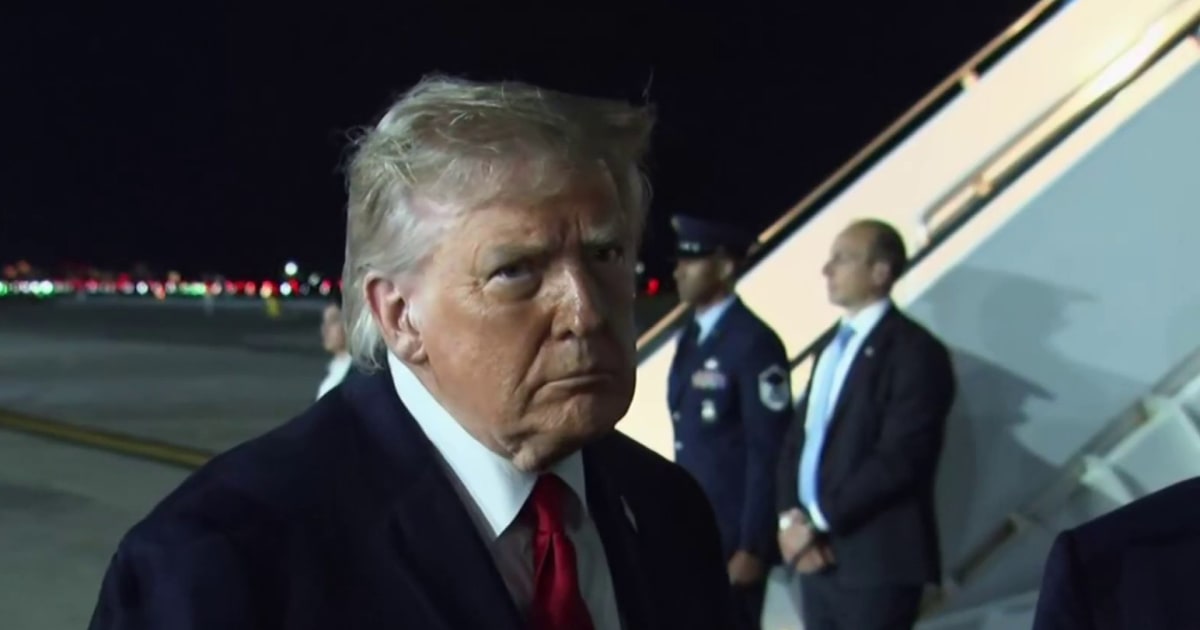
A two-person U.S. military crew was rescued after their helicopter went down near the Strait of Hormuz. The cause of the incident remains unknown. Pre
Read Full Story at NBC News →Why This Matters
The rescue of U.S. military pilots near the Strait of Hormuz underscores the persistent volatility of a maritime chokepoint where geopolitical tensions often spill into direct confrontation. Beyond the immediate relief of the crew, this incident highlights the precarious balance of deterrence in a region where miscalculation—whether from technical failure, sabotage, or hostile intent—can escalate into wider conflict. It also serves as a reminder of the risks inherent in sustained military presence, even in areas where operations are framed as routine.
Background Context
The Strait of Hormuz, through which 20% of the world’s oil passes, has been a flashpoint since the 1980s, when Iran and Iraq targeted commercial shipping during their prolonged war. More recently, tensions have surged amid Iran’s nuclear negotiations, regional proxy conflicts in Yemen and Syria, and repeated seizures or attacks on vessels, including drones and limpet mines. U.S. military patrols in the area, often justified as freedom of navigation operations, have become a lightning rod for accusations of escalation from Tehran.
What Happens Next
The lack of clarity around the helicopter’s downing—whether mechanical failure, hostile fire, or environmental conditions—will shape the U.S. response. If sabotage is suspected, it could trigger kinetic retaliation or enhanced maritime security measures, risking a tit-for-tat cycle with Iran. Meanwhile, allied nations may reassess their own exposure in the region, particularly if the incident signals a shift in the unspoken rules governing military operations.
Bigger Picture
This episode fits a broader pattern of low-intensity but high-stakes confrontations in contested waters, where the line between accident and provocation is deliberately blurred. As great-power competition intensifies, such incidents may become more frequent, testing the resolve of nations to de-escalate without appearing weak. The Strait of Hormuz, once a secondary concern for global energy markets, now embodies the fragility of a rules-based order in an era of asymmetric warfare.






