Used Waymo robotaxi batteries become backup storage for power grids
Used Waymo batteries will bolster California and Texas energy storage projects.
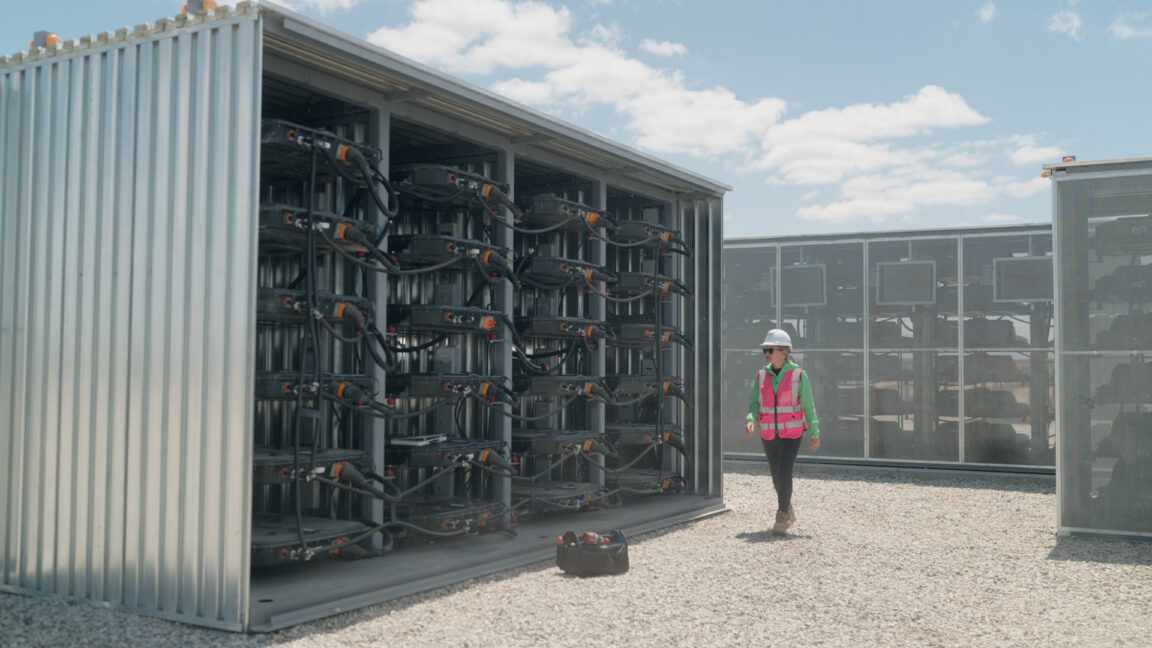
Used Waymo batteries will bolster California and Texas energy storage projects. This report comes from Ars Technica. The story centres on Used Waymo
Read Full Story at Ars Technica →Why This Matters
The reuse of Waymo’s retired robotaxi batteries for grid storage represents a pivotal moment in the circular economy of electric vehicles, proving that once-deemed obsolete energy units can extend their lifespan in critical infrastructure. This model could reduce lithium mining demand by repurposing existing resources, while also lowering the carbon footprint of energy storage—a sector often criticized for its own environmental trade-offs.
Background Context
California and Texas, the two largest U.S. energy markets, have been aggressively pursuing battery storage to stabilize grids strained by renewable energy intermittency and extreme weather. Waymo’s autonomous fleet, now numbering in the thousands, generates a steady stream of high-capacity batteries with years of remaining charge cycles—making them ideal for stationary applications when vehicle performance degrades. Regulators in both states have incentivized second-life battery projects to meet decarbonization goals, but grid operators historically favored new lithium-ion systems due to uncertainty over degraded performance.
What Happens Next
Expect a surge in partnerships between automakers and utilities to replicate this model, particularly as EV adoption accelerates and battery warranties expire. Regulators may refine testing standards for second-life batteries to ensure grid reliability, while insurers could develop new policies for these hybrid systems. The biggest wild card is consumer backlash—if communities perceive repurposed EV batteries as lower-quality alternatives, it could slow adoption despite their technical viability.
Bigger Picture
This is part of a broader shift toward "materials efficiency" in the energy transition, where the focus expands beyond just scaling renewables to optimizing the entire supply chain. It also highlights how autonomous vehicle fleets—often seen as costly experiments—could inadvertently become enablers of a more resilient grid, blurring the lines between transportation and energy infrastructure.





