🌱 Environment
Live
Utah National Monument Survives Attempt to Rescind its Management Plan
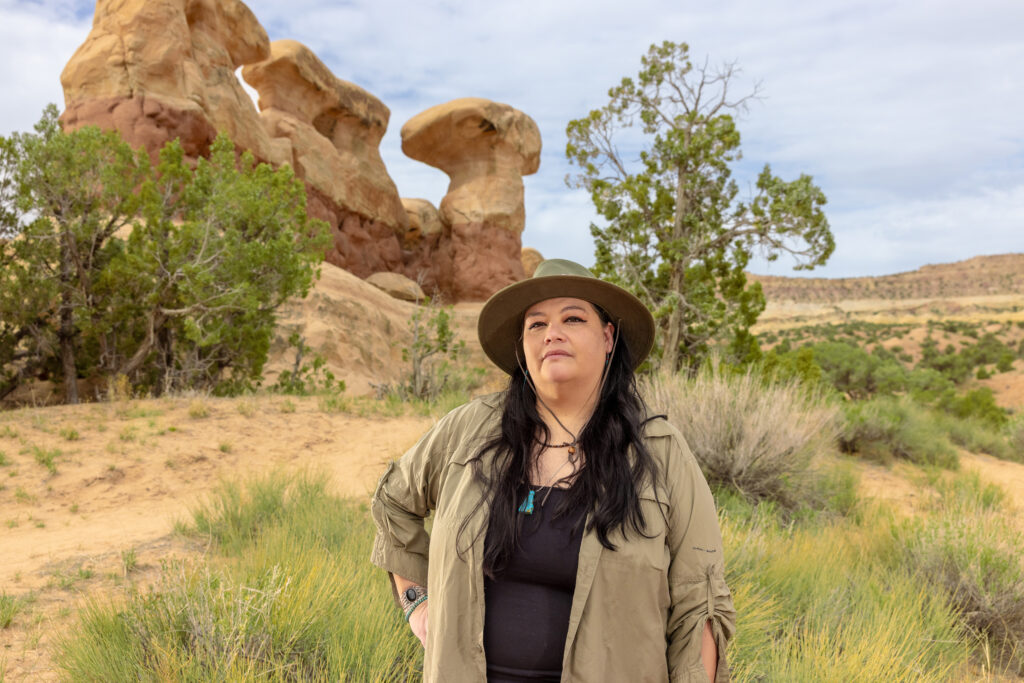
GRAND STAIRCASE-ESCALANTE NATIONAL MONUMENT, Utah—When Autumn Gillard first visited this national monument in southern Utah’s red rock country, she hiked to the top of a plateau. Her heart was broken…
Inside Climate News — 17 June 2026
Text:
26
0
0
GRAND STAIRCASE-ESCALANTE NATIONAL MONUMENT, Utah—When Autumn Gillard first visited this national monument in southern Utah’s red rock country, she hi
Read Full Story at Inside Climate News →
⚡ Quickyla Analysis
Original editorial context — not sourced from the article above
The decision to uphold management plans for Grand Staircase-Escalante National Monument is more than a bureaucratic victory—it’s a preservation milestone for one of America’s most contested landscapes. The monument, spanning nearly 1.9 million acres of Utah’s rugged red rock country, has been a flashpoint in the broader debate over federal land management, Indigenous rights, and environmental conservation. For decades, its fate has hinged on shifting political winds, with past administrations alternately expanding or shrinking its boundaries. The survival of its management plan signals a rare continuity in an era where such policies are often dismantled at the stroke of a pen, underscoring the resilience of conservation efforts in the face of relentless pressure from extractive industries and political opponents.
What many observers overlook is the monument’s cultural and ecological significance. Grand Staircase-Escalante sits atop ancestral lands of the Southern Paiute, Ute, and Diné peoples, who have long argued for co-management of these sacred spaces. The monument’s layered geology also preserves some of the most scientifically important fossil beds in the world, including evidence of dinosaurs and early mammals. Yet its remote location and lack of mainstream tourism have allowed these debates to unfold largely outside the public eye, making victories like this one all the more critical for conservation advocates.
Looking ahead, the next battleground may involve funding and enforcement. With the plan intact, federal agencies will need sustained resources to address threats like illegal off-road vehicle use, uranium prospecting, and climate-driven erosion. Meanwhile, local governments and Indigenous groups may push for greater input, potentially reshaping how the monument is governed. The broader trend here is a microcosm of a national struggle: as public lands become more vulnerable to deregulation, successful defenses of their protections often hinge on legal victories, public advocacy, and the stubborn persistence of conservation-minded officials.
For Autumn Gillard and others who cherish this landscape, the ruling is a quiet triumph—a rare moment of stability in a world where natural wonders are increasingly at risk. Whether it heralds a new era of cooperation or merely delays the next fight remains to be seen. But in a political climate where environmental safeguards are under constant siege, even temporary reprieves carry weight.
Sources

🌱 Environment
Erin Brockovich criticizes Microsoft data center secrecy in Utah

🌱 Environment
Rescues in eastern Syria after the Euphrates River bursts its banks

🌱 Environment
Indonesians mark 20 years since mud volcano eruption swallowed up entire communities in East Java

🌱 Environment
Biden’s Clean Drinking Water Plan Is Being Rebranded as MAHA

🌱 Environment
Heat is Killing Wildlife Across the Animal Kingdom. A New Forecasting Tool May Help

🌱 Environment
A New N.C. Ratepayer Bill Puts the Brakes on Data Centers, but Incentivizes Fossil Fuels

