Utility companies want to pay you to generate power for the electrical grid
U.S. utilities are paying households for excess power from solar, batteries, or generators fed back into the grid under "grid services compensation" programs. Critics warn these programs may favor we…
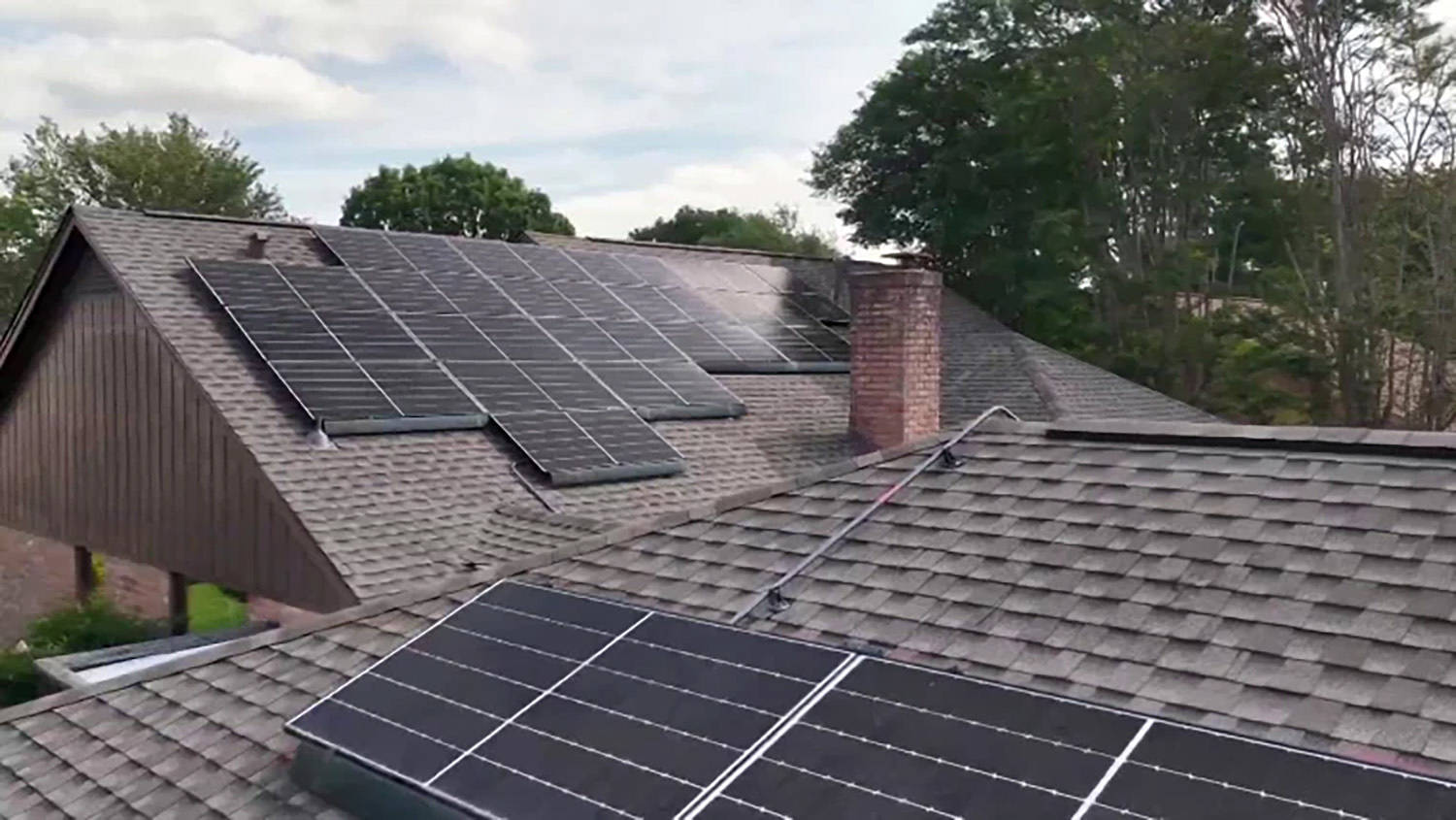
Utility companies in the United States are increasingly turning to innovative incentives to bolster power generation as demand on the electrical grid
Read Full Story at NBC News →Why This Matters
This shift toward compensating households for grid contributions reflects a fundamental reimagining of energy economics, where distributed resources could soon rival traditional power plants in value. For consumers, it marks a rare opportunity to monetize assets they already own, but it also accelerates a power struggle between old infrastructure paradigms and the decentralized future. The stakes are high: if scaled effectively, these programs could democratize energy markets—or entrench new forms of inequality if poorly designed.
Background Context
Decentralized energy is not new, but its economic integration into grid services has been stymied by regulatory inertia and utility resistance. Pilot programs emerged in the 2010s as solar and battery costs dropped, yet compensation models remained piecemeal until recent grid stress from climate disasters and supply chain shocks forced a reckoning. Today, utilities are caught between two imperatives: maintaining control over their networks and adapting to a future where customers can both consume and produce power simultaneously.
What Happens Next
Expect a patchwork of state-level policies as regulators grapple with fairness—whether to prioritize affordability for low-income households or reward early adopters of solar-plus-storage systems. Utilities will likely lobby for caps on participation to avoid destabilizing their revenue models, while consumer advocates push for transparent pricing. The wild card is federal intervention: if the FERC or Congress steps in, standardized compensation could unlock broader adoption—or create unintended distortions in energy markets.
Bigger Picture
This trend is part of a larger unbundling of the energy sector, where the roles of producer, consumer, and grid operator blur into a shared marketplace. It mirrors the trajectory of telecoms in the 2000s, when internet users became content creators overnight. Yet energy’s physical constraints—voltage stability, grid congestion—mean these programs will evolve differently, possibly setting precedents for how society manages other critical infrastructure in an era of climate disruption and technological flux.