Valve hikes Steam Deck prices by more than 40%, blaming rising costs
Valve has announced a price increase of more than 40% - or nearly £200 - for its two Steam Deck models, citing "rising memory and storage costs". The 512GB tier of its OLED handheld gaming PC - the …
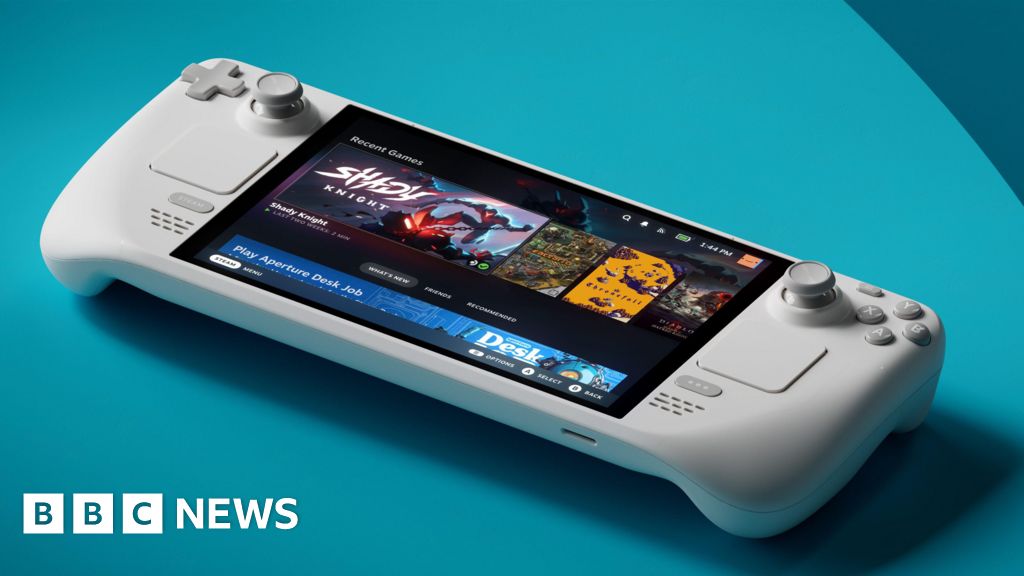
Valve has announced a price increase of more than 40% - or nearly £200 - for its two Steam Deck models, citing "rising memory and storage costs". The
Read Full Story at BBC Technology →Why This Matters
The price hike on Valve’s Steam Deck isn’t just about hardware inflation—it signals a potential inflection point for the entire handheld gaming market. For years, Valve positioned the Steam Deck as a premium, accessible alternative to traditional gaming PCs, but a 40% surge in cost could alienate price-sensitive gamers and push them toward cheaper alternatives like the ASUS ROG Ally or Lenovo Legion Go.
Background Context
Valve’s Steam Deck launched in 2022 with a transparent pricing strategy, leveraging component costs that were still stabilizing post-pandemic. The OLED model, introduced in 2023, initially maintained a competitive edge over rival handhelds despite its premium price tag. However, memory and storage chip shortages—exacerbated by geopolitical tensions and shifting tech demand—have upended that balance, forcing Valve to pass costs directly to consumers.
What Happens Next
Consumers will likely test Valve’s pricing resolve by waiting for Black Friday discounts or exploring refurbished units, while competitors may see an opportunity to undercut the new prices. If the market rejects the hike, Valve could face pressure to reintroduce lower-cost storage tiers or risk losing its dominant position in the handheld space. Watch for Steam Deck accessory makers to adjust pricing in tandem, potentially creating a domino effect across the ecosystem.
Bigger Picture
This move reflects a broader shift in tech hardware, where inflation and supply chain volatility are eroding the era of consistent price drops. As devices like the Steam Deck become more sophisticated—blurring lines between consoles, PCs, and handhelds—the industry may need to rethink long-term affordability or risk fragmenting the market into niche, high-cost segments.




