Video of 4 men burned to death by suspected gangmasters highlights abuse of migrant workers in Italy
Labeled a “massacre” by authorities, video showing migrant workers being burned alive is driving a reckoning over the exploitation of foreign laborers in Italy.
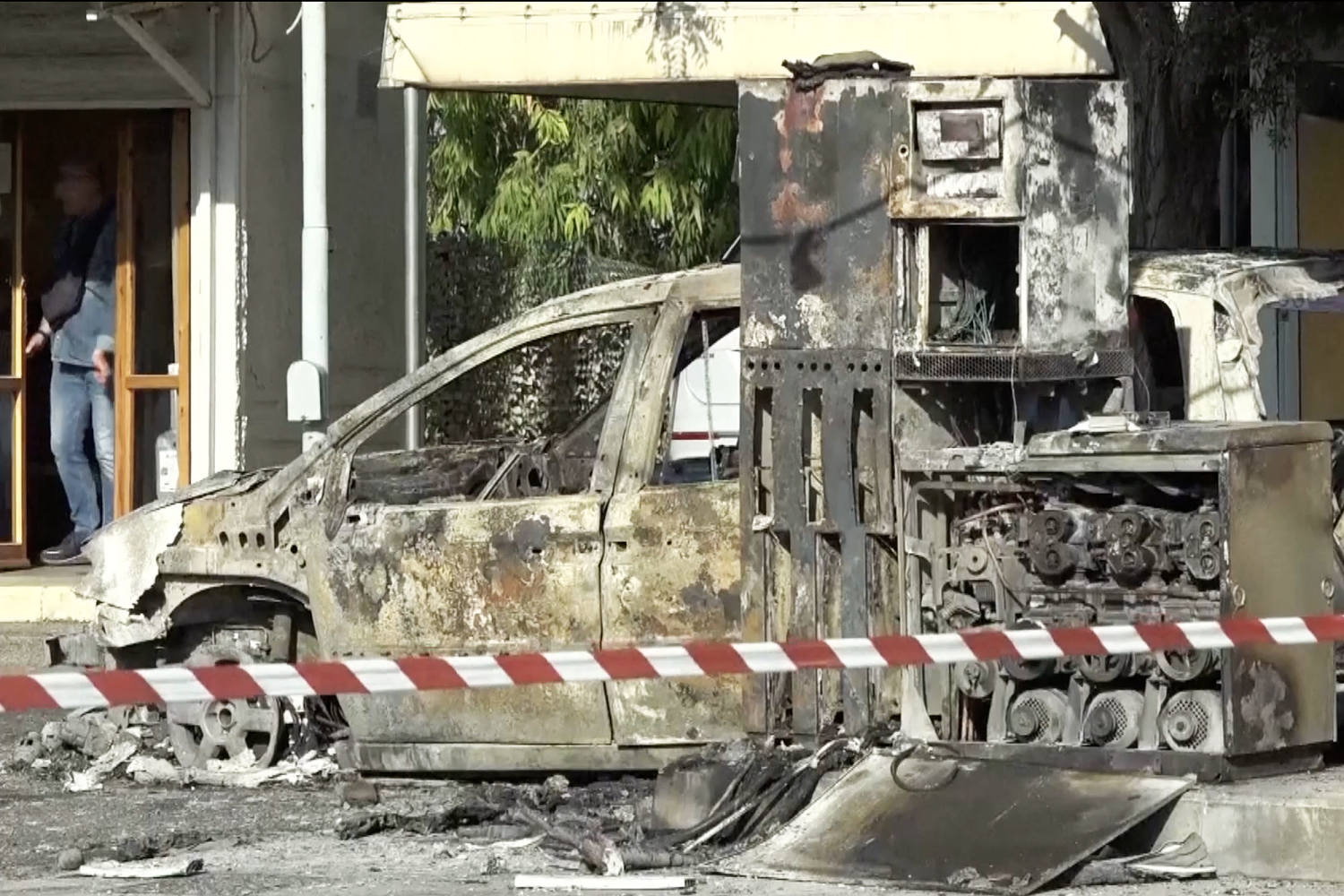
Labeled a “massacre” by authorities, video showing migrant workers being burned alive is driving a reckoning over the exploitation of foreign laborers
Read Full Story at NBC News →Why This Matters
This brutal incident exposes the deadly consequences of Italy’s unchecked labor exploitation system, where migrant workers—already vulnerable due to legal precarity and language barriers—are treated as disposable commodities. The video’s graphic nature forces a confrontation with the human cost of economic policies that prioritize cheap labor over dignity, challenging the narrative that such abuses are isolated or rare.
Background Context
Italy’s agricultural sector has long relied on undocumented migrants, often from North Africa and South Asia, to fill labor gaps in fields and processing plants. Weak enforcement of labor laws, coupled with a culture of impunity for employers, has normalized extreme conditions—including 16-hour shifts, wage theft, and physical coercion—especially in regions like Puglia and Calabria, where gangmasters operate with near-total control.
What Happens Next
Expect intensified scrutiny of Italy’s labor inspectorates, which have been criticized for underreporting abuses, and potential EU-level pressure to reform the bloc’s seasonal worker visa schemes. However, without structural changes—such as granting undocumented migrants legal status—exploitation will likely persist, merely shifting to new forms of control as traffickers adapt to crackdowns.
Bigger Picture
This case reflects a broader European pattern where agricultural labor exploitation intersects with anti-immigrant rhetoric, as governments scapegoat migrants for economic woes while turning a blind eye to corporate complicity. The rise of vigilante-style violence against workers—whether arson, kidnappings, or murder—signals a dangerous escalation, one that risks normalizing extrajudicial punishment as a tool of labor discipline.





