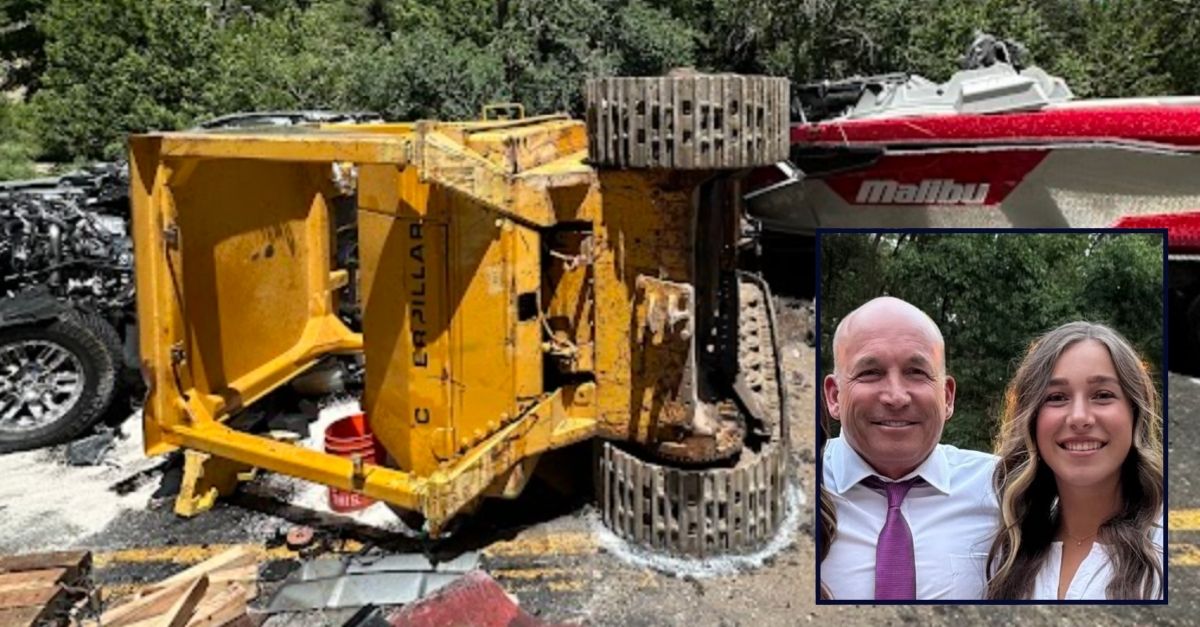
Virginia bus crash that killed five involved driver who doesn't speak English, Sean Duffy says
A Virginia bus crash, killing five and injuring 44, involved driver Jing S. Dong, who doesn't speak English. U.S. Transportation Secretary Sean Duffy criticized English proficiency and licensing stan…
A bus driver who does not speak English has been identified as the operator of a vehicle involved in a fatal crash in Virginia that killed five people
Read Full Story at Yahoo News →Why This Matters
The Virginia bus crash underscores a critical fault line in transportation safety: the intersection of language barriers, licensing standards, and public accountability. With commercial drivers operating vehicles that can become instruments of mass casualty, the incident forces a reckoning with whether current regulatory frameworks are equipped to handle an increasingly multilingual workforce.
Background Context
Federal regulations require commercial drivers to pass written tests in English, yet many states delegate licensing authority to counties or private entities with inconsistent oversight. Virginia’s reliance on non-English-speaking bus drivers reflects a broader reliance on immigrant labor in transit, often without commensurate investment in language training or standardized evaluation.
What Happens Next
Expect heightened scrutiny of state-level CDL (Commercial Driver’s License) programs, particularly in regions with large immigrant populations. The Transportation Secretary’s remarks signal potential federal intervention, but implementation could hinge on partisan divides over immigration policy and states’ rights. Meanwhile, victims’ families may pursue litigation against both the driver and the contracting agency.
Bigger Picture
This crash is part of a decade-long trend of fatal accidents involving non-English-speaking commercial drivers, often in industries facing labor shortages. The incident dovetails with national debates over visa programs like H-2B, which supply foreign workers to transit and hospitality sectors, raising questions about whether safety should be sacrificed for operational continuity.