AI workers push San Francisco home prices to $1.76 million
San Francisco's median home price hit $1.76 million in May, 20% higher year-over-year, as AI workers use stock in companies like OpenAI to buy houses. This surge, driven by AI stock sales like OpenAI'
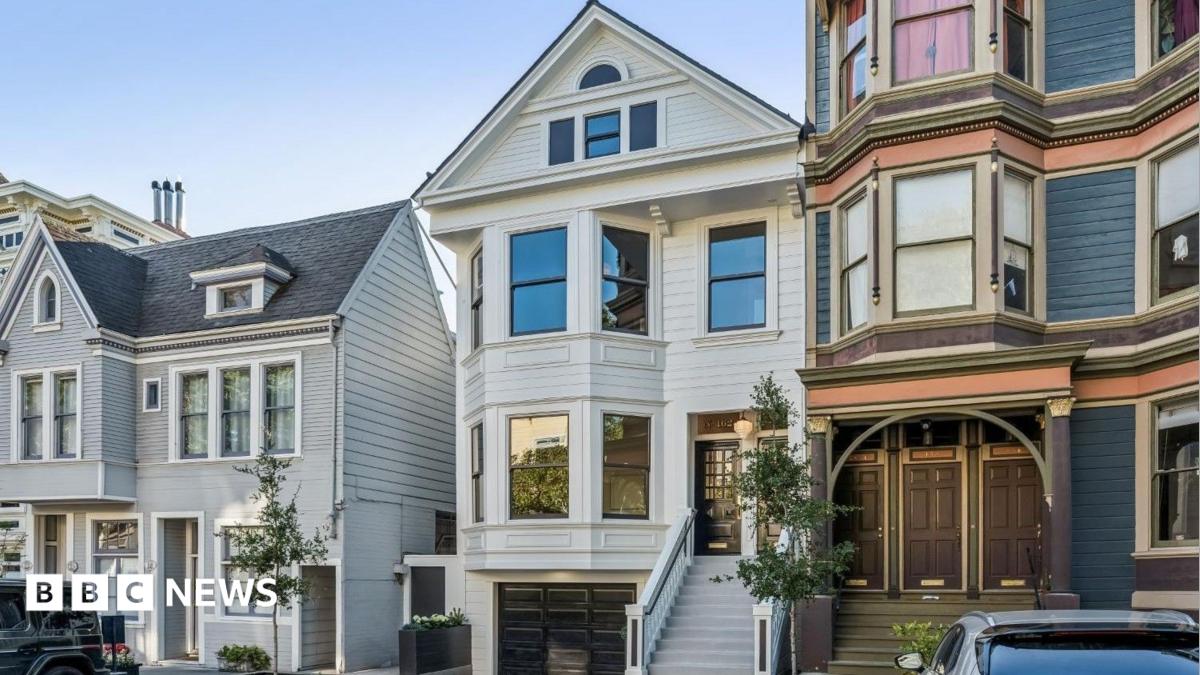
A young OpenAI employee in San Francisco is eyeing a $3 million house in the city’s Duboce Triangle—partly because the seller will take shares in AI f
Read Full Story at BBC Business →Why This Matters
The surge in San Francisco home prices isn’t just another real estate bubble—it reflects how rapidly concentrated wealth from the AI boom is reshaping urban economies. Unlike traditional tech-driven gentrification, this wealth infusion is turbocharged by liquid stock options from pre-IPO companies, creating a new class of ultra-high-net-worth buyers who can outbid long-time residents in cash transactions. The trend underscores how rapidly evolving industries can upend housing markets faster than local infrastructure can adapt.
Background Context
San Francisco’s housing crisis has deep roots in zoning restrictions, NIMBYism, and decades of underbuilding relative to job growth. The pandemic temporarily cooled prices, but the AI frenzy has reignited demand from a demographic that often prioritizes proximity to innovation hubs over affordability. Meanwhile, the city’s property tax structure and Prop 13’s legacy limit revenue for affordable housing, leaving local government ill-equipped to mitigate the fallout of these speculative waves.
What Happens Next
Expect more AI-affiliated wealth to flood the market as companies like OpenAI, Nvidia, and others unlock liquidity through secondary stock sales. This could further bifurcate the city’s housing stock, with ultra-luxury condos thriving while middle-class neighborhoods face displacement. Watch for local policy responses—rent control loopholes, mansion taxes, or zoning reforms—as residents and activists pressure officials to curb the spillover effects of Silicon Valley’s wealth.
Bigger Picture
This phenomenon mirrors past tech booms, from the 1990s dot-com era to the 2010s crypto surge, but with a critical difference: AI’s scalability means the wealth concentration is happening at an unprecedented velocity. It also foreshadows broader economic shifts, where industries based on intangible assets (like AI models) produce wealth that outpaces traditional job markets, destabilizing regional economies built on manufacturing or services. The San Francisco case study may become a blueprint for how cities grapple with the housing fallout of the AI-driven economy.