What are Lebanon’s most important political parties?
Hezbollah is the most prominent of Lebanon’s political movements, and has long been the most powerful in the country. Its current battle with Israel means it has a huge say in the future of the coun…
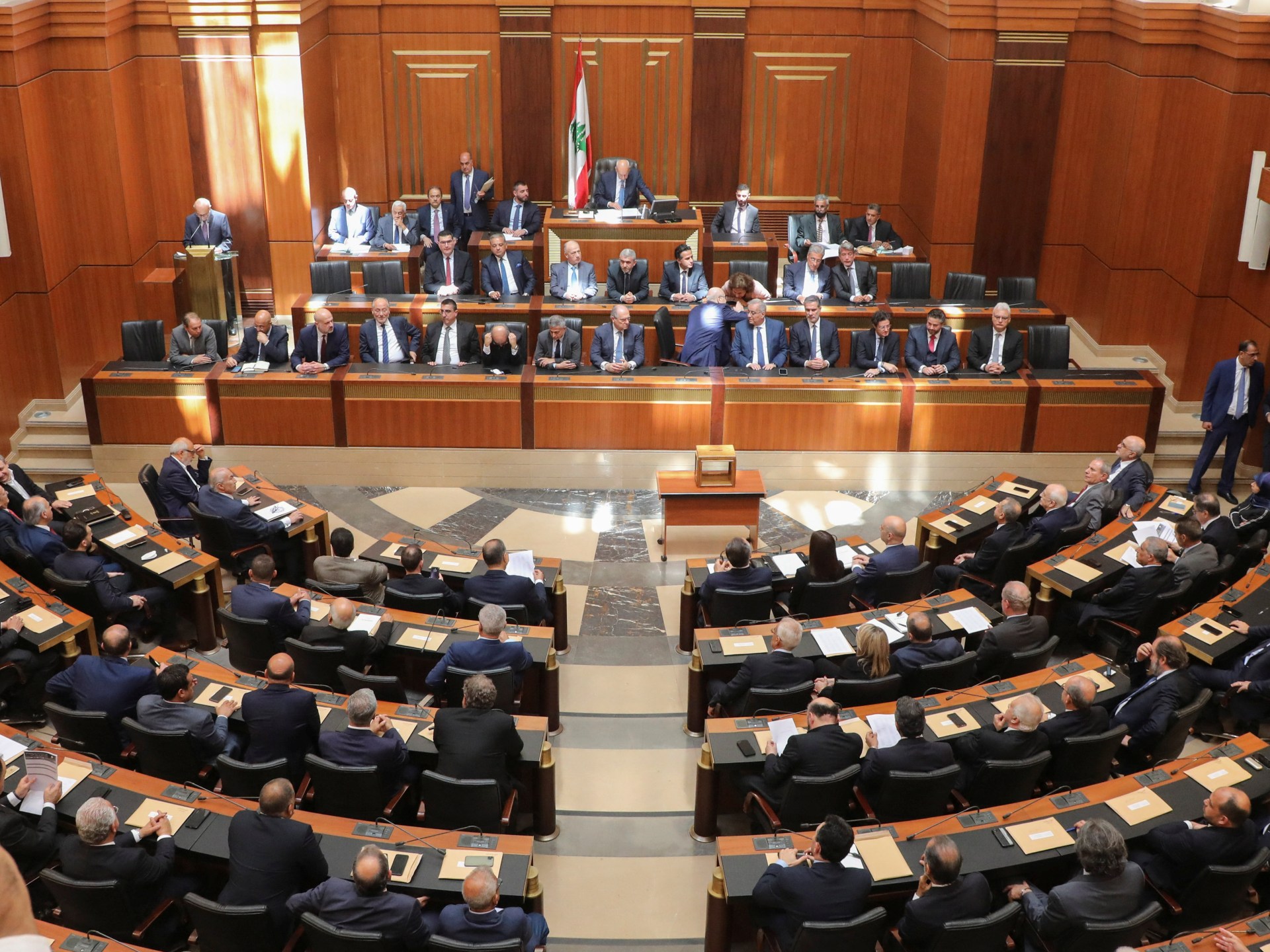
Hezbollah is the most prominent of Lebanon’s political movements, and has long been the most powerful in the country. Its current battle with Israel
Read Full Story at Al Jazeera →Why This Matters
Lebanon’s political landscape is a high-stakes arena where power dynamics between parties directly shape national stability, regional security, and economic survival. The prominence of Hezbollah isn’t just about military strength—it’s a litmus test for how Lebanon navigates its fragile sovereignty amid competing foreign influences. The outcome of these political struggles will determine whether the country can emerge from its prolonged crisis or slide deeper into fragmentation.
Background Context
Lebanon’s political system is designed to distribute power among sectarian groups, but this framework has often exacerbated divisions rather than fostered cooperation. Hezbollah, born out of the 1982 Israeli invasion, evolved from a resistance movement into a state-within-a-state, wielding influence disproportionate to its demographic size. Its alliance with Iran and its armed conflict with Israel have turned it into both a protector and a destabilizer, complicating Lebanon’s already precarious neutrality.
What Happens Next
The escalation between Hezbollah and Israel could force Lebanon into a new phase of either forced disarmament talks or further militarization, with neither option offering a clear path to recovery. Domestic pressure for reform may intensify if the conflict drags on, but entrenched elite interests could still block meaningful change. Watch for shifts in Sunni-Shia alliances, as well as how Gulf states and Western powers choose to engage—or disengage—with Beirut amid the chaos.
Bigger Picture
Lebanon’s political struggles reflect a broader regional trend where non-state actors increasingly dictate national agendas, often at the expense of fragile institutions. The country’s paralysis also serves as a cautionary tale for other nations grappling with sectarian divides and foreign interference. As long as Hezbollah’s influence remains unchecked, Lebanon’s ability to reclaim its sovereignty will hinge on whether regional powers recalibrate their strategies or double down on proxy conflicts.





