California proposes billionaire tax, leaders react
California’s proposed billionaire tax would levy 1.5% on wealth over $1 billion and 1% on wealth between $500 million and $1 billion, potentially raising $22 billion annually to address the state’s $6
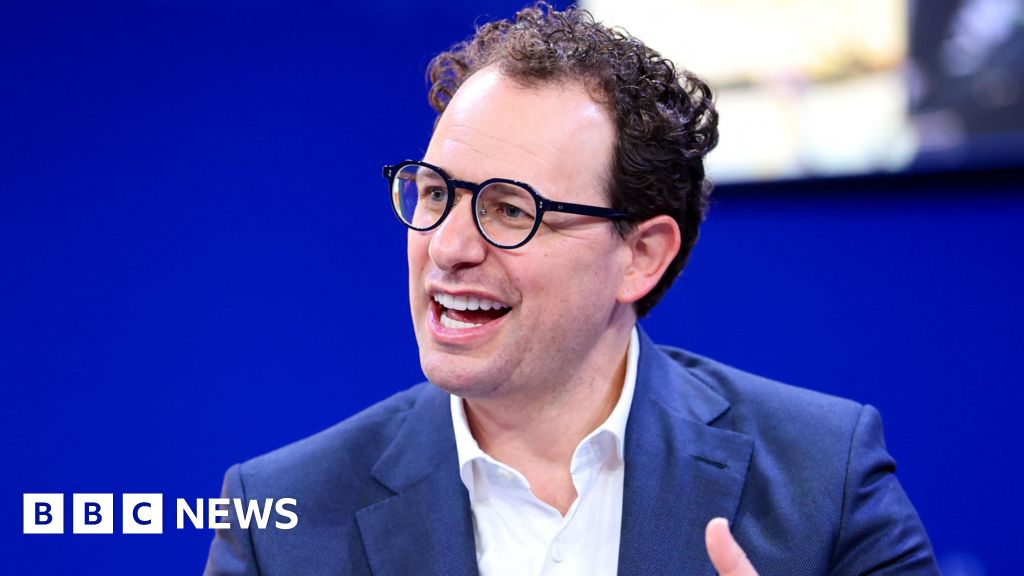
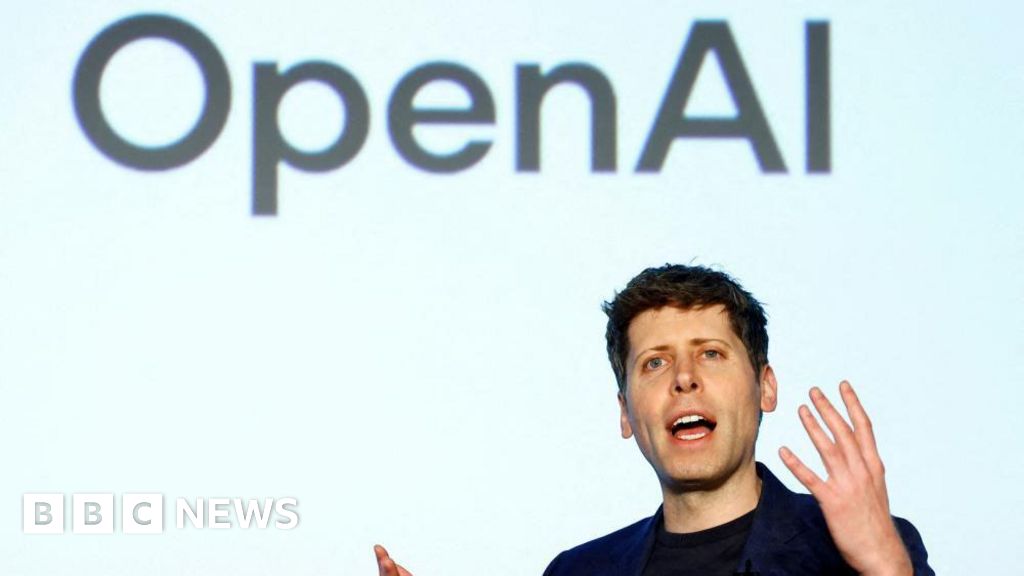
Billionaire investor Bill Ackman and tech leaders Palmer Luckey and Jensen Huang are pushing back hard against California’s proposed billionaire tax,
Read Full Story at Business Insider Mkt →Why This Matters
The proposed billionaire tax isn't just about revenue—it's a litmus test for California's economic identity. As the world's fifth-largest economy grapples with widening inequality and crumbling infrastructure, this measure forces a reckoning: Can a state built on innovation tax its most successful entrepreneurs without triggering a corporate exodus? The answer will shape how other progressive states approach wealth redistribution in an era of ballooning billionaire fortunes.
Background Context
California's wealth tax debate didn't emerge in a vacuum. It follows decades of shifting tax policy, from Proposition 13's property tax limitations to the 2020 abandonment of a similar wealth tax proposal after legal challenges. The state's reliance on volatile capital gains revenue—driven by tech fortunes—has created a boom-and-bust cycle that disproportionately affects social services during downturns, a tension now colliding with public outrage over billionaire fortunes like Elon Musk's $200 billion peak.
What Happens Next
Legal challenges will likely arrive before the ink dries, testing whether states can constitutionally target wealth rather than income. Meanwhile, the state's reliance on mobile taxpayers—particularly in tech—raises immediate questions about enforcement mechanisms and potential loopholes. Watch for the reactions of venture capital firms and startup founders who may accelerate relocation plans, while California's progressive coalition tests whether this tax can survive without fracturing its own base.
Bigger Picture
This isn't just a California story—it reflects a global shift where wealth taxes are resurging as governments scramble to fund climate adaptation and social programs. From France's abandoned solidarity tax to President Biden's proposed billionaire minimum tax, the movement is testing whether democratic societies can redistribute wealth without triggering capital flight. The outcome here could determine whether progressive taxation remains a viable tool or becomes another victim of economic globalization.