🚔 Crime & Justice
Live
What Insurance Companies Hide from Clients During an Accident Claim
Understanding how personal injury claims work early on may help accident victims avoid costly mistakes and make more informed decisions during an already stressful time. The post What Insurance Compa…

Law & Crime — 16 June 2026
Text:
25
0
0
Understanding how personal injury claims work early on may help accident victims avoid costly mistakes and make more informed decisions during an alre
Read Full Story at Law & Crime →
⚡ Quickyla Analysis
Original editorial context — not sourced from the article above
The opaque tactics insurers employ during accident claims aren’t just a frustration for victims—they represent a systemic imbalance in how justice is administered in personal injury cases. When policyholders file claims after a crash, collision, or slip-and-fall, they’re often entering a negotiation where the deck is stacked against them, not through malice alone but through the fine print of contracts they rarely read and the asymmetry of expertise between claimants and adjusters. This imbalance isn’t incidental; it’s baked into the DNA of an industry that profits from delay, deflection, and undervaluation. For accident victims, the immediate stakes are clear: medical bills pile up, wages are lost, and a rushed settlement offer might leave them undercompensated for years. But the broader significance runs deeper—it exposes how insurance, a product designed to provide security, can become a tool for financial extraction when trust breaks down.
The roots of this problem stretch back decades. Insurers have refined their claims processes to prioritize profit margins over policyholder welfare, leveraging data analytics to identify claimants most likely to accept lowball offers before they consult an attorney. Many victims don’t realize that their "friendly" adjuster is legally obligated to the company, not to them—a distinction that shapes every conversation, every request for documentation. Meanwhile, the rise of telematics and digital monitoring in auto policies adds another layer of surveillance, where a momentary lapse in driving history can be used to justify claim denials. These aren’t isolated incidents but part of a broader trend where risk is increasingly individualized, and responsibility is diffused through fine print and algorithmic gatekeeping.
What happens next depends on whether regulators, courts, and consumers push back. Some states are tightening oversight of insurer practices, but enforcement remains inconsistent. For claimants, the path forward hinges on early legal consultation—yet even that can be a hurdle for those already reeling from injury. The open question is whether this opacity will fuel a cultural shift toward greater transparency or if the industry will continue to outpace reform, leaving victims to navigate a rigged system alone. Either way, the story isn’t just about broken promises—it’s about who gets to define fairness when the most vulnerable are on the hook.
Sources
🚔 Crime & Justice
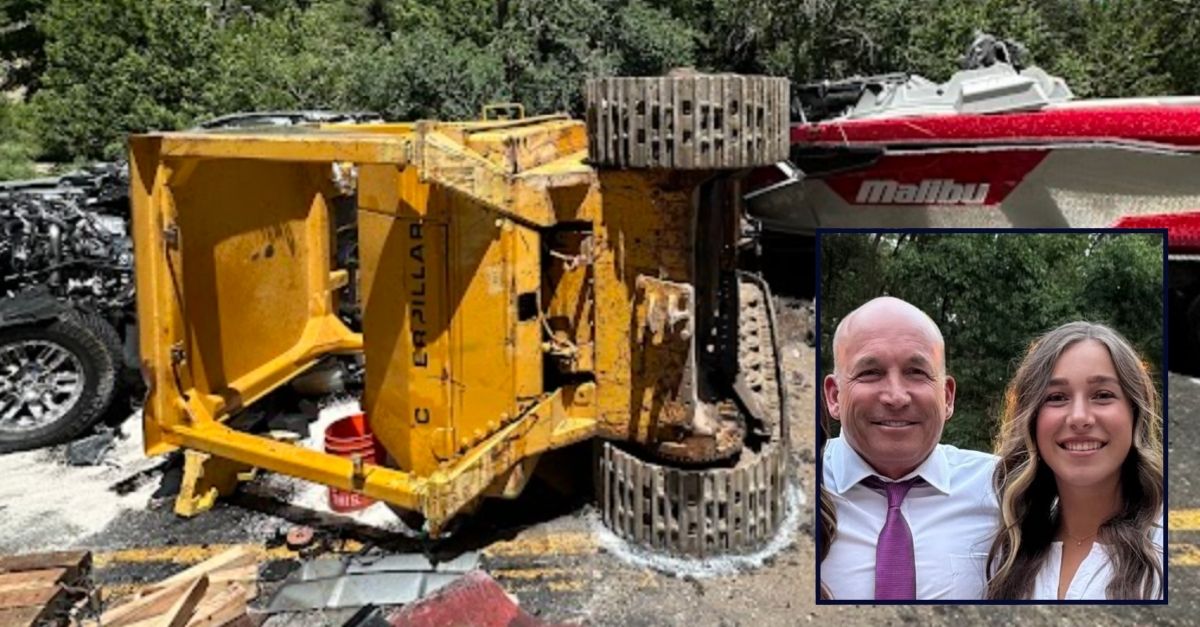
Dad and daughter crushed to death by bulldozer that rolled off truck, landed on their vehicle after driver failed to properly secure it

🚔 Crime & Justice
Boyfriend used surprise flowers to lure pregnant girlfriend outside, then shot her in the head just weeks before the baby was due, cops and friends say

🚔 Crime & Justice
Daughter drained mom's 'life savings' while keeping her locked away in bedroom, refused to change her dirty Pampers as she suffered from dementia and Alzheimer's: Cops

🚔 Crime & Justice
8-month pregnant woman kills other woman whose child was fathered by the same man

🚔 Crime & Justice
'He's gonna pay': Man lured embattled school board member outside his home by shutting off his power before trying to kill him, cops say
🚔 Crime & Justice
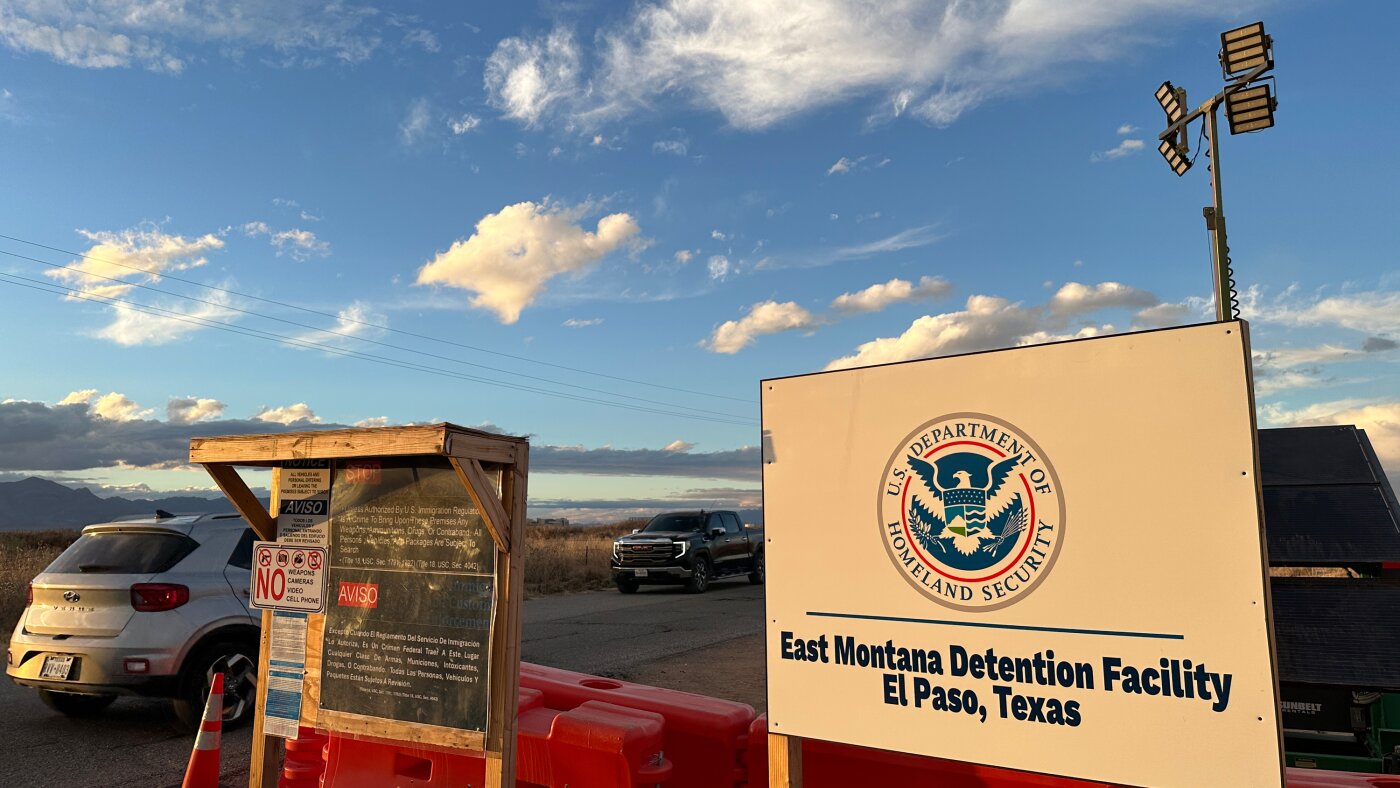
Immigrant detainees sue over 'horrific' conditions at Texas ICE facility

