What is Israel's Iron Dome air defence system - and how is it 'almost 99%' effective?
Highly prized within Israel, the Iron Dome air defence system has been active once again as Iran launched a wave of drones and missiles overnight.
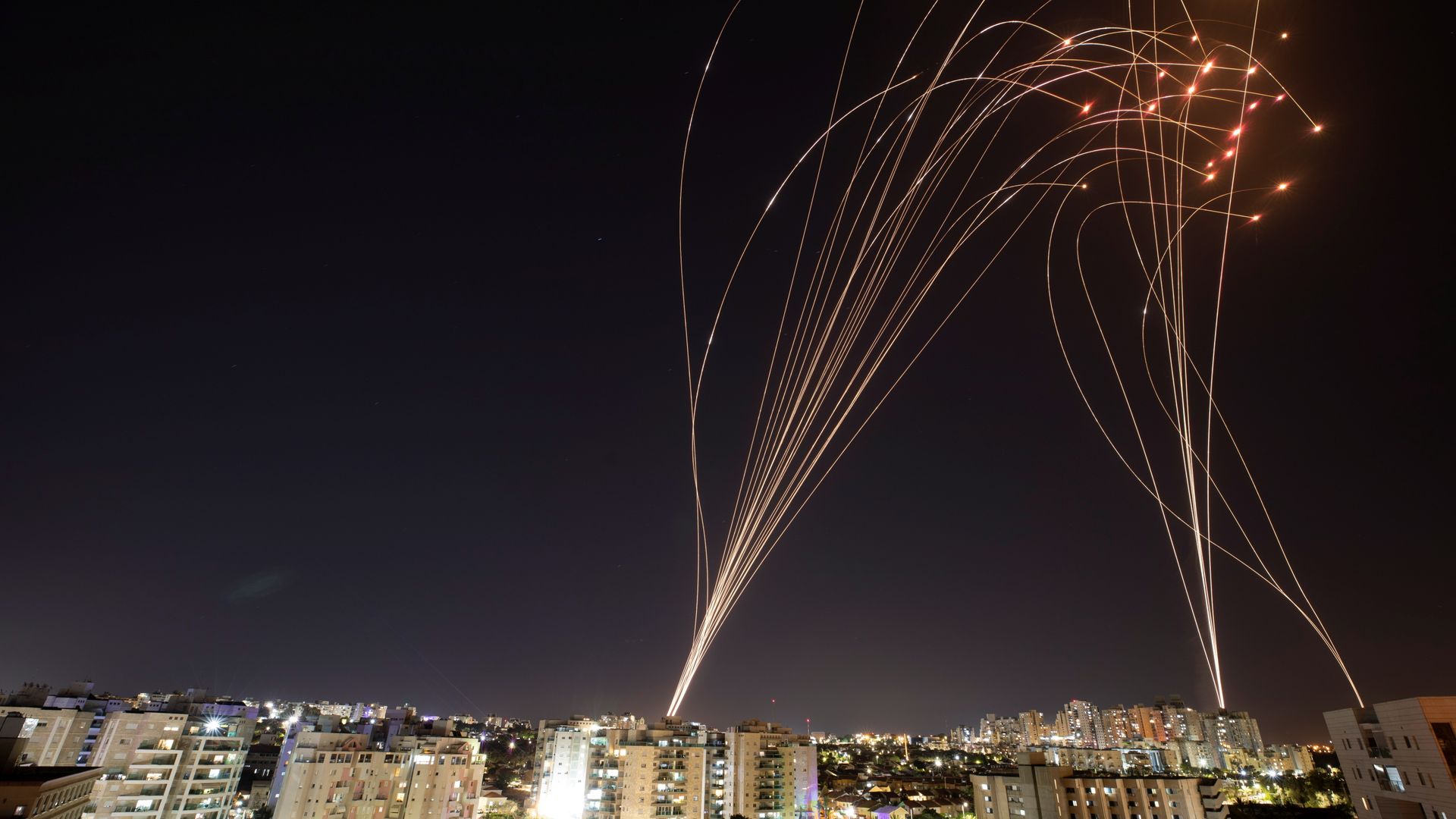
Highly prized within Israel, the Iron Dome air defence system has been active once again as Iran launched a wave of drones and missiles overnight. Th
Read Full Story at Sky News →Why This Matters
The Iron Dome's near-perfect interception rate is more than a technological marvel—it's a strategic game-changer in Israel's ongoing shadow war with Iran. Its performance during this latest barrage reaffirms its role as a deterrent against asymmetric threats, where even a single successful strike could escalate regional tensions. For allies like the U.S., which invests heavily in Israel's defense, its reliability is a bellwether for broader military-industrial partnerships in an era of hybrid warfare.
Background Context
Developed amid the 2006 Lebanon War after Hezbollah's rocket barrage exposed Israel's air defense gaps, Iron Dome was designed to neutralize short-range threats like rockets and mortars. Funded jointly by Israel and the U.S.—which has allocated over $1 billion to the system since 2011—it operates as a layered defense network, with radar detecting threats and Tamir missiles intercepting them. Its combat debut in 2011 saw a 70% success rate, but refinements have since pushed interception rates above 90%, often cited as 99% in ideal conditions.
What Happens Next
With Iran's drone and missile arsenal evolving—including loitering munitions and hypersonic missiles—Iron Dome's developers face pressure to adapt. The system's cost ($50,000 per Tamir missile vs. $3,000 for a Hamas rocket) raises questions about sustainability, especially if attacks intensify. Meanwhile, its deployment in Ukraine has been debated, highlighting its potential as a global export, though transfer risks escalating conflicts beyond Israel's borders.
Bigger Picture
The Iron Dome reflects a broader shift toward precision, mobile air defenses in urbanized conflict zones, where civilian casualties are a primary concern. Its success has spurred similar systems worldwide, from South Korea's K-SAM to the U.S. Army's Indirect Fire Protection Capability. Yet its near-exclusive use in Israel underscores how asymmetric warfare is reshaping military priorities, favoring high-tech solutions over traditional arsenals.






