💰 Business
Live
What's happening to UK petrol and diesel prices now the US and Iran have a deal?
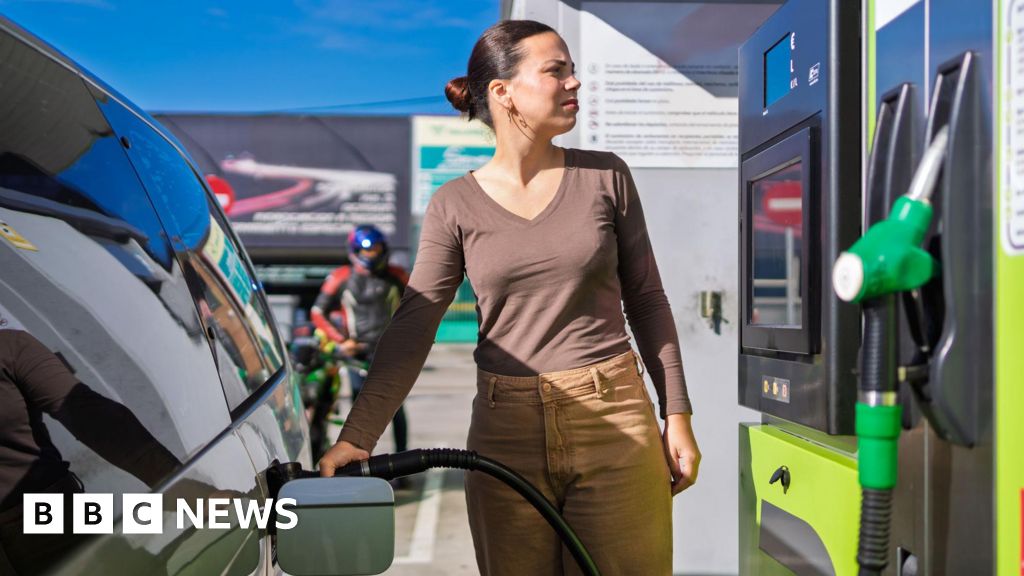
Motorists in the UK could be facing cheaper fuel prices as a result of the US and Iran reaching an agreement to end their war. When the conflict began on 28 February, fuel costs jumped as the war si…
BBC Business — 15 June 2026
Text:
24
0
0
Motorists in the UK could be facing cheaper fuel prices as a result of the US and Iran reaching an agreement to end their war. When the conflict bega
Read Full Story at BBC Business →
⚡ Quickyla Analysis
Original editorial context — not sourced from the article above
The tentative agreement between the US and Iran to end their recent conflict carries implications far beyond the immediate battlefield—particularly for British motorists navigating a volatile fuel market. UK petrol and diesel prices have long been sensitive to geopolitical shocks in the Middle East, given the region’s role as a critical chokepoint for global oil supply. When tensions flared in late February, crude prices spiked as traders priced in the risk of disrupted shipments through the Strait of Hormuz. Now, with a deal on the table, the calculus shifts: if sanctions on Iranian oil are lifted or eased, even partially, global supply could increase, easing pressure on prices that have hovered near historic highs since the Ukraine war began.
Yet the impact on UK forecourts may be less dramatic than the headlines suggest. While Brent crude has softened slightly in recent days, the relationship between global oil prices and retail fuel costs is rarely linear. UK fuel prices are influenced by a complex web of factors, including refining margins, distribution costs, and the pound’s exchange rate against the dollar—where oil is traded. Retailers, too, have been accused of slow price adjustments, often absorbing drops in crude costs to rebuild margins after periods of high prices. Motorists may not see an immediate windfall, but sustained lower crude prices could gradually feed through, particularly if the deal holds and OPEC+ refrains from counterbalancing supply cuts.
The broader question is whether this signals a broader de-escalation in energy geopolitics—or merely a temporary détente. Iran’s nuclear program remains a flashpoint, and US domestic politics could still scuttle the deal before it’s fully implemented. Meanwhile, the UK’s own energy transition complicates the narrative: as petrol demand peaks and electric vehicles gain ground, the market’s sensitivity to Middle Eastern supply shocks may wane over time. For now, though, the prospect of cheaper fuel—however fleeting—will be a relief for households already stretched by inflation. The real test will be whether this agreement proves durable or simply another chapter in the region’s enduring volatility.
Sources

💰 Business
How 'confused' AI rollout hurts firms and baffles staff

💰 Business
OpenAI let ChatGPT aid and abet mass shooters, Florida lawsuit claims

💰 Business
AI giant Anthropic announces plans to list on US stock market

💰 Business
Caribbean hot sauce producers warn of shortages and higher prices

💰 Business
Bill debt soars but many don't know help is available
💰 Business
Japan raises interest rate to highest since 1995

