Where the redistricting fight stands heading into the midterms
After 10 states enacted new congressional maps, Republicans are in position to gain up to 16 seats this fall, compared to six for the Democrats, as the parties vie for control of the House.
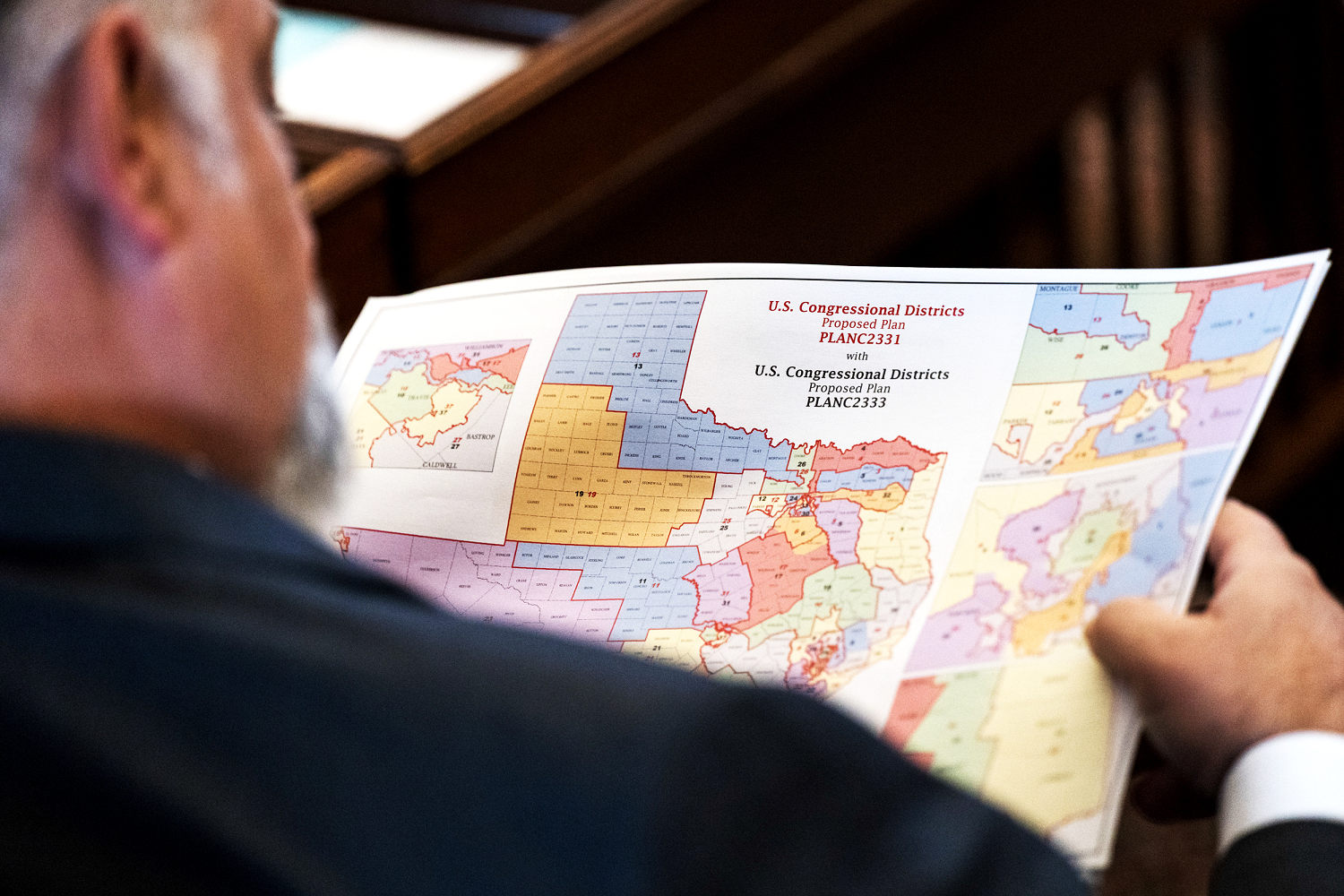
After 10 states enacted new congressional maps, Republicans are in position to gain up to 16 seats this fall, compared to six for the Democrats, as th
Read Full Story at NBC News →Why This Matters
The redistricting battle isn’t just about seat counts—it’s a structural fight over political power that could shape the next decade of policymaking. With Republicans poised to gain up to three times as many seats as Democrats, the midterms could solidify a redistricting advantage that lasts through 2032, making this one of the most consequential off-year elections in memory.
Background Context
Redistricting has long been a partisan chess game, but the 2020 cycle accelerated the trend of "efficient gerrymandering," where parties maximize their seat totals by packing opponents into a few districts while spreading their own voters thin. Several states, including North Carolina and Ohio, saw maps struck down by courts only to be replaced with even more aggressive partisan designs, underscoring how judicial intervention often arrives too late to alter the political landscape.
What Happens Next
If Republicans hold or expand their House majority, expect a push to entrench these maps further in the next redistricting cycle—unless Democrats regain control of state legislatures or the Supreme Court revisits its 2019 ruling upholding partisan gerrymandering. Watch for lawsuits in states like Georgia and Alabama, where new maps face legal challenges, and for turnout patterns in suburban districts that could defy traditional redistricting advantages.
Bigger Picture
This isn’t just about House control—it’s a preview of how demographic shifts and legal battles are colliding with raw political ambition. The GOP’s redistricting edge reflects a broader strategy to counterbalance growing urban and suburban coalitions, while Democratic gains in states like Michigan show that court-ordered maps can still tilt the playing field. The midterms will reveal whether these structural advantages outweigh the volatility of a post-Trump electorate.






