WHO declares MV Hondius hantavirus outbreak over
The WHO declared the MV Hondius hantavirus outbreak over after no new cases emerged since May 25. This confirms the end of a rare human-to-human transmission event that infected thirteen people and ki
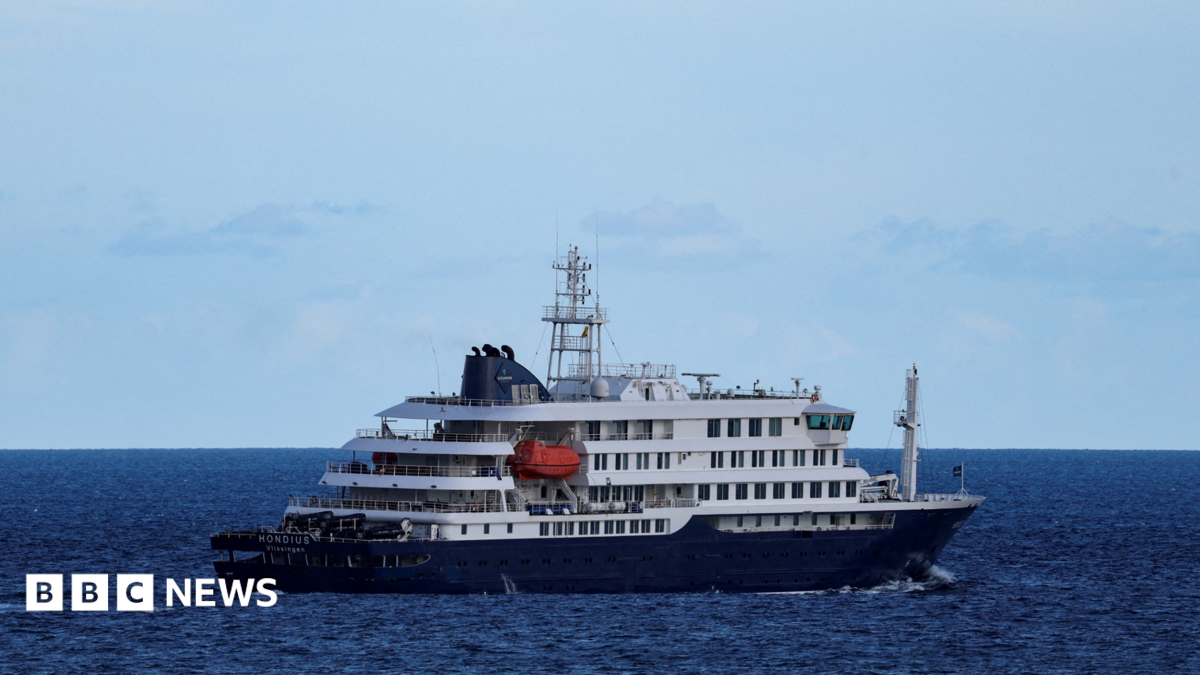
The World Health Organization has officially declared the hantavirus outbreak linked to the MV Hondius cruise ship over, marking the end of a global h
Read Full Story at BBC Health →Why This Matters
The closure of the MV Hondius hantavirus cluster marks a rare instance where a zoonotic pathogen—typically transmitted from animals to humans—demonstrated limited human-to-human spread, raising questions about the adaptability of such viruses in new environments. This case underscores the growing intersection of global travel, maritime operations, and disease transmission, highlighting the need for vigilance in high-risk settings where pathogens can evolve unpredictably.
Background Context
Hantaviruses, commonly associated with rodent-borne transmission in rural or agricultural settings, have historically posed limited threats to maritime crews, where rodent infestations are less expected. The outbreak aboard the MV Hondius suggests that enclosed, long-term ship environments may inadvertently facilitate pathogen persistence, particularly when sanitation or pest control measures are compromised. This incident echoes past maritime disease outbreaks, such as norovirus on cruise ships, but with the added complexity of a virus typically confined to wild reservoirs.
What Happens Next
While the immediate outbreak is contained, the WHO’s declaration does not preclude future cases in similar environments, particularly as shipping routes increasingly traverse regions where hantavirus-endemic rodents are present. Public health agencies may revisit guidelines for ship sanitation and crew monitoring, while shipping companies could face heightened scrutiny over biosecurity protocols. Research into the genetic sequencing of this strain may reveal whether mutations contributed to its unusual transmission dynamics.
Bigger Picture
This event fits a broader pattern of zoonotic spillover risks in globalized systems, where pathogens can hitchhike across borders via human movement, trade, or wildlife. The maritime sector, often overlooked in pandemic preparedness, may need to adopt stricter biosurveillance measures as climate change and urbanization alter rodent populations and their habitats. The case also serves as a reminder that even "low-probability" pathogens can emerge in unexpected contexts, demanding proactive rather than reactive health strategies.


